ຜ້າທ້າງຝຸ່ນ, ບ່ອນຖູງ
Keeping floors, worktables, and pass-through areas clean is a basic requirement in controlled environments, but the tools used for that task matter just as much as the cleaning routine itself. In cleanrooms, laboratories, electronics assembly areas, and other contamination-sensitive spaces, Dustcloth, Mop products are selected not only for convenience, but also for how they support particle control, surface hygiene, and day-to-day maintenance efficiency.
This category brings together practical cleaning consumables and handling tools used for routine wipe-down, floor cleaning, and debris pickup in environments where ordinary household materials may not be appropriate. Depending on the task, users may need reusable cotton towels, disposable scrubbers, sticky rollers for particle collection, or cleanroom-compatible mop components that fit into a broader contamination-control workflow.

Where dustcloths and mops fit in cleanroom operations
In controlled production and lab spaces, cleaning tools are part of the process, not an afterthought. A mop or dustcloth may be used to remove loose particles from floors, wipe work surfaces, support pre-operation cleaning, or maintain zones around benches and process equipment. The right format helps reduce the spread of contamination while making regular maintenance faster and more consistent.
These products are commonly used alongside other clean environment equipment such as clean benches, where surface cleanliness and airflow protection often go hand in hand. In facilities with personnel entry control, they may also complement equipment like air showers as part of a broader contamination-reduction strategy.
Typical product types in this category
A practical Dustcloth, Mop range usually includes both surface-cleaning consumables and the tools needed to apply them. For example, cotton dish towels can support general wipe-down tasks, while scrubbers are useful when stronger mechanical cleaning is needed on selected surfaces. Sticky rollers and roller handles are often chosen for collecting loose dust, particles, or small debris from floors, mats, garments, or packaging areas.
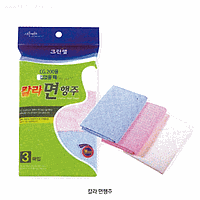
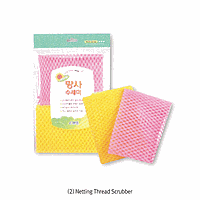
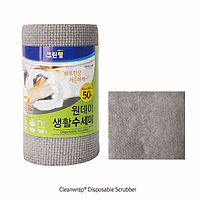
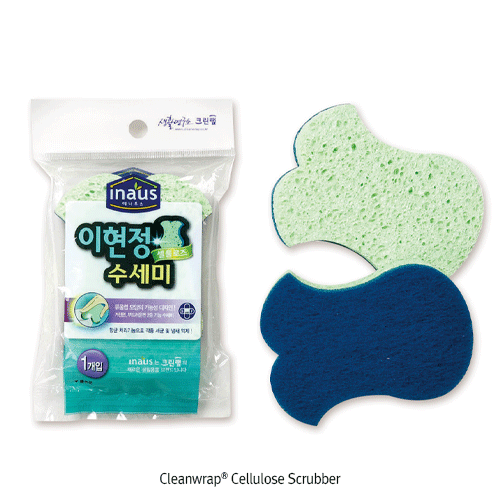
Examples in this category include Cleanwrap cotton towels such as the C10.602 and C10.603, which are suited to repeat-use wiping tasks, and scrubber formats like the Cleanwrap C10.504, C10.506, and disposable roll-type C10.512. For particle pickup, DaiHan offers cleanroom sticky roller options including the DH.Rol3001, DH.Rol3003, and DH.Rol3005, paired with the DH.Rol3012 roller handle. For larger-area floor cleaning, Apro products such as the A7.CC600 cleaner frame and A7.CW660 mop cloth illustrate how mop systems can be configured as separate components.
How to choose the right cleaning format
The most suitable option depends on the surface, the type of contamination, and the cleaning frequency. For routine wiping of benches, trays, or non-critical utility areas, soft towels or cloths may be enough. When operators need stronger contact for stain removal or localized cleaning, a scrubber with a more structured cleaning surface can be a better fit.
For dry particle collection, sticky rollers are often preferred because they lift loose debris without simply pushing it from one area to another. Width also matters: narrower rollers can help in tight spaces, while wider rollers may improve cleaning speed over open floor or staging zones. If the task involves larger floor sections, a mop frame and compatible mop cloth can be more efficient than handheld wiping alone.
Selection points that matter in B2B purchasing
Industrial buyers usually need more than a simple cleaning tool. They need a format that fits their operating procedure, replacement cycle, and handling method. That is why purchasing teams often compare products based on dimensions, disposable versus reusable use, compatibility with handles or frames, and suitability for the target environment.
It is also useful to consider whether the cleaning tool is part of a broader site standard. A facility may standardize on roller systems from DaiHan for particle pickup, or select consumables from Cleanwrap for regular wiping and scrubbing tasks. Consistency can simplify procurement, staff training, and stock management, especially across multiple rooms or production lines.
Supporting different cleaning tasks across the facility
Not every area in a controlled environment needs the same cleaning approach. Entry zones, gowning areas, packing stations, and production rooms can each require different tools depending on foot traffic, exposed materials, and process sensitivity. A sticky roller may be practical near packaging or transfer points, while a mop system is better suited to floor maintenance in larger controlled areas.
Handheld scrubbers and towels are often used for benches, carts, pass boxes, or utility surfaces that require manual attention. In many facilities, these products are used together rather than separately: mop systems for the floor, cloths for surfaces, and rollers for quick particle removal between scheduled cleaning cycles. This layered approach supports more stable housekeeping performance.
Relationship to adjacent cleanroom product categories
Dustcloth and mop products often work best when matched with the rest of the cleanroom maintenance setup. For teams looking to build a more complete cleaning workflow, it can be helpful to also review ventilation chamber equipment or containment-related products depending on the application. In microbiology, pharma, and laboratory settings, broader environmental controls may influence which cleaning tools are appropriate for surrounding spaces.
This category is especially relevant where regular housekeeping supports equipment uptime, visual cleanliness, and contamination prevention. Even simple items such as a towel, roller, or mop cloth can play an important role when used within a documented cleaning procedure and matched to the site’s operational needs.
Common questions
Are sticky rollers and mops used for the same purpose?
Not usually. Sticky rollers are mainly used for lifting loose particles and debris, while mops are generally used for broader floor-cleaning tasks and surface maintenance.
Should I choose disposable or reusable cleaning items?
That depends on your cleaning procedure, contamination risk, and replacement policy. Disposable formats may help simplify changeout, while reusable items can be practical for routine non-critical tasks when site procedures allow.
Can these products be used outside cleanrooms?
Yes, many of them can also be used in laboratories, electronics production, inspection rooms, and other controlled industrial spaces where better housekeeping and particle control are needed.
Practical sourcing for routine and controlled cleaning
Choosing from the Dustcloth, Mop category is less about buying a generic cleaning item and more about matching the tool to the environment, surface, and cleaning method. Whether the need is for reusable towels, disposable scrubbers, sticky rollers, or complete mop components, a well-selected range helps maintenance teams work more consistently in contamination-sensitive spaces.
For procurement teams, the most effective approach is to review cleaning frequency, area type, and handling requirements first, then select products that fit those routines with minimal complexity. That makes this category a useful foundation for everyday cleanroom housekeeping and controlled-environment support.
ຮັບສ່ວນຫຼຸດພິເສດຕາມປະລິມານ, ອັບເດດລາຄາຂາຍສົ່ງ ແລະ ການແຈ້ງເຕືອນສິນຄ້າໃໝ່ສົ່ງກົງເຖິງອິນບັອກຂອງທ່ານ.
ໂດຍການສະໝັກສະມາຊິກ, ທ່ານຍອມຮັບ ເງື່ອນໄຂການໃຫ້ບໍລິການ ແລະ ນະໂຍບາຍຄວາມເປັນສ່ວນຕົວ ຂອງພວກເຮົາ.
ເຂົ້າເຖິງຜູ້ຊ່ຽວຊານທີ່ໄດ້ຮັບການຢັ້ງຢືນຂອງພວກເຮົາໂດຍກົງ