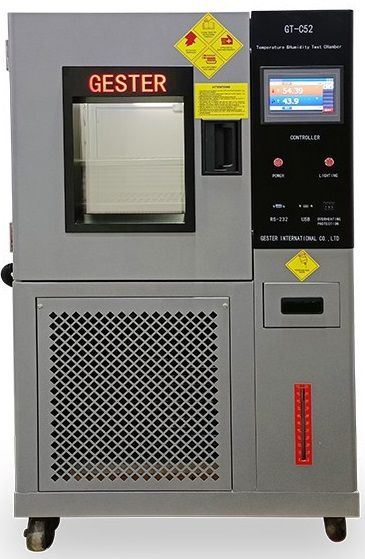
A temperature humidity test chamber is an environmental testing instrument used to expose products or materials to controlled temperature and humidity conditions. It can support testing under high or low temperatures, high or low humidity, constant conditions, and alternating humid-heat conditions. By placing a specimen in a defined environment, teams can observe changes in its parameters or performance and identify potential weaknesses before it is used in its intended setting.
For laboratories, manufacturers, and research organizations, this type of test helps make environmental conditions a repeatable part of product evaluation. Rather than relying only on uncontrolled real-world exposure, a planned chamber test can provide a consistent basis for comparing samples, designs, or components.
What Is a Temperature Humidity Test Chamber Used For ?
The central role of a temperature humidity test chamber is to simulate environmental changes that may affect electrical, electronic, and other products or materials. Test conditions may include heat, cold, constant temperature, or alternating temperature and humidity exposure. The objective is to determine whether the specimen’s performance or characteristics change under those conditions.
A constant temperature humidity chamber is especially relevant when a test requires a stable, controlled environment. Alternating humid-heat testing, in contrast, is used when the evaluation calls for environmental changes over the test period. The appropriate test condition depends on the specimen and the evaluation requirement.
How Environmental Chamber Testing Supports Product Evaluation
Environmental testing places the specimen under a defined combination of temperature and humidity factors so that its response can be assessed. This approach is useful for examining performance and durability in conditions that may be difficult to reproduce consistently outside the laboratory.
Test results can help a team compare how a product or material behaves after exposure to changing environmental conditions. The chamber itself does not determine product suitability; instead, it provides the controlled conditions needed for the relevant test method and assessment process.
Typical factors considered during a test
- The type of specimen being evaluated, such as a component, material, or finished product
- The required temperature and humidity conditions
- Whether conditions are constant or alternating
- The performance parameters to be checked after environmental exposure
- The measurement and control requirements of the test
Applications Across Industries
Temperature and humidity testing is used across a range of industrial and research fields where products must be evaluated under environmental conditions.
Electronics
In electronics, chambers are used to evaluate the performance and durability of electronic components under varying temperature and humidity conditions. This can support assessment of components before they are incorporated into wider systems.
Automotive
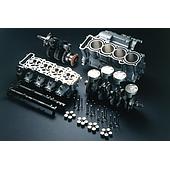
Automotive applications include evaluating the durability and performance of components and systems, including engines, transmissions, and electronic control systems. Environmental exposure can be part of a broader product evaluation program for these items.
Aerospace
Aerospace organizations may use environmental chambers to evaluate the performance and reliability of components and systems across diverse conditions. Controlled testing helps create a repeatable setting for the assessment of these items.
Medical devices
Medical applications may include evaluating the durability and reliability of devices such as surgical instruments and implantable devices. Test planning should reflect the specific device, specimen characteristics, and applicable evaluation requirements.
Choosing a Chamber for a Test Requirement
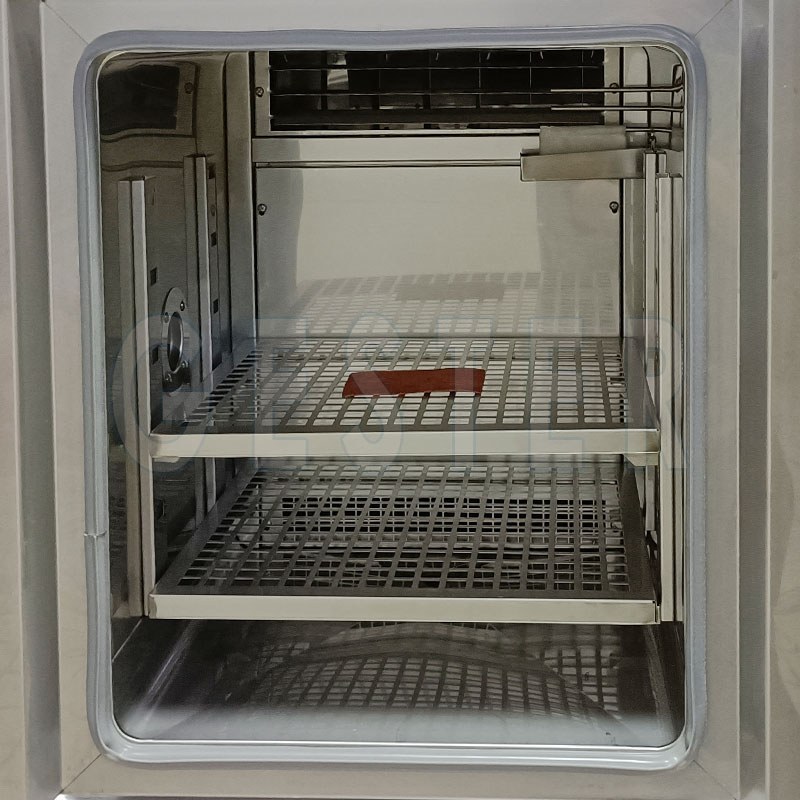
Chamber selection should begin with the test objective. Important considerations include chamber dimensions, specimen characteristics, required temperature and humidity ranges, and measurement-control needs. Defining these points in advance helps align the equipment configuration with the intended test.
Its environmental chamber range is intended to simulate conditions including temperature and humidity cycling, along with other environmental exposures. For any project, users should confirm that the chamber configuration and test procedure match their operational requirements.
Temperature Humidity Test Chamber Maintenance Priorities
Regular maintenance helps keep a temperature humidity test chamber ready for planned testing and supports dependable measurement conditions. Maintenance intervals should take account of how frequently the chamber is used and the operating instructions for the equipment.
Calibrate temperature and humidity sensors
The source guidance recommends calibrating temperature and humidity sensors every six months to one year, depending on usage frequency. Comparison with standard temperature and humidity measuring equipment can help verify measurement data.
Inspect refrigeration and heating components
Check refrigeration-system components such as the compressor, condenser, and evaporator for conditions including possible refrigerant leakage or compressor overheating. Heating wires and heating rods should also be inspected to confirm proper operation. Damaged components should be repaired or replaced promptly.
Maintain the water circulation system
Inspect the water tank, water pump, filter, and related water-circuit components on a regular basis. Cleaning the tank helps limit limescale and impurity buildup, while checking pump operation helps confirm normal water supply. Replace the filter cartridge when needed to reduce the risk of blockages affecting the water circuit.
A heating and cooling test chamber provides a controlled setting for evaluating how products and materials respond to heat, cold, humidity, and changing environmental conditions. Clear test planning, suitable chamber selection, sensor calibration, and routine inspection of refrigeration, heating, and water systems are all important parts of effective environmental testing.