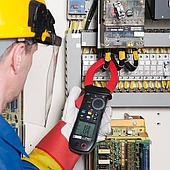
Prepare machinery and ensure equipment safety before machining
Before putting the lathe into operation, the worker needs to check the overall equipment. Place the machine on a flat, stable surface to avoid vibration, which directly affects the accuracy of the machining.
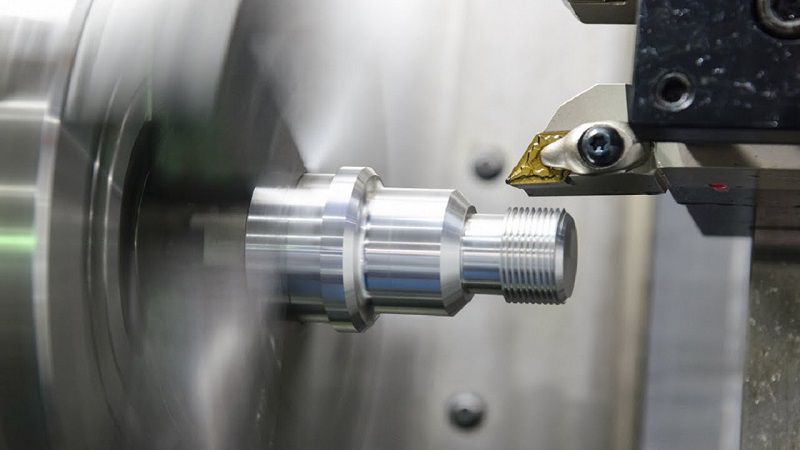
Next, check the clamping parts such as the chuck, driveplate or faceplate. These parts need to be properly tightened to keep the workpiece stable, if loose, it can easily cause slipping, broken knives or dangerous accidents.
An important note that is often overlooked: never leave the chuck key on the machine after clamping the workpiece. When the machine rotates, the key can fly out and cause unwanted injuries.
In addition, make sure the electrical system and emergency stop button are working properly. The operator should be fully equipped with labor protection: glasses, gloves, safety shoes,...

Personal safety and proper work habits
When standing in front of a lathe, the first thing to remember is that personal protective equipment is never redundant. A pair of safety glasses, suitable gloves and safety shoes will help you avoid unnecessary accidents. On the contrary, seemingly harmless things such as loose clothes, rings or necklaces can become deadly dangers, and a little carelessness can get you caught in a part rotating at high speed.
A small but extremely important habit is to clean the surface of the part and the cutting tool before installation. Do not ignore a few dust particles or remaining metal chips, they can cause the workpiece to not be clamped tightly, shake, affecting the accuracy and safety of the machining process.
Operation and monitoring during turning
When starting to operate the lathe, do not rush to turn it on immediately. You need to make sure that the cooling system is ready, the spindle speed and feed are adjusted correctly according to the material and the part being processed. For example, turning hard steel requires a slow speed and a reasonable feed rate, while aluminum or copper can run faster. If the cutting is too deep or the wrong mode is selected, the tool will wear out quickly and easily damage the part.
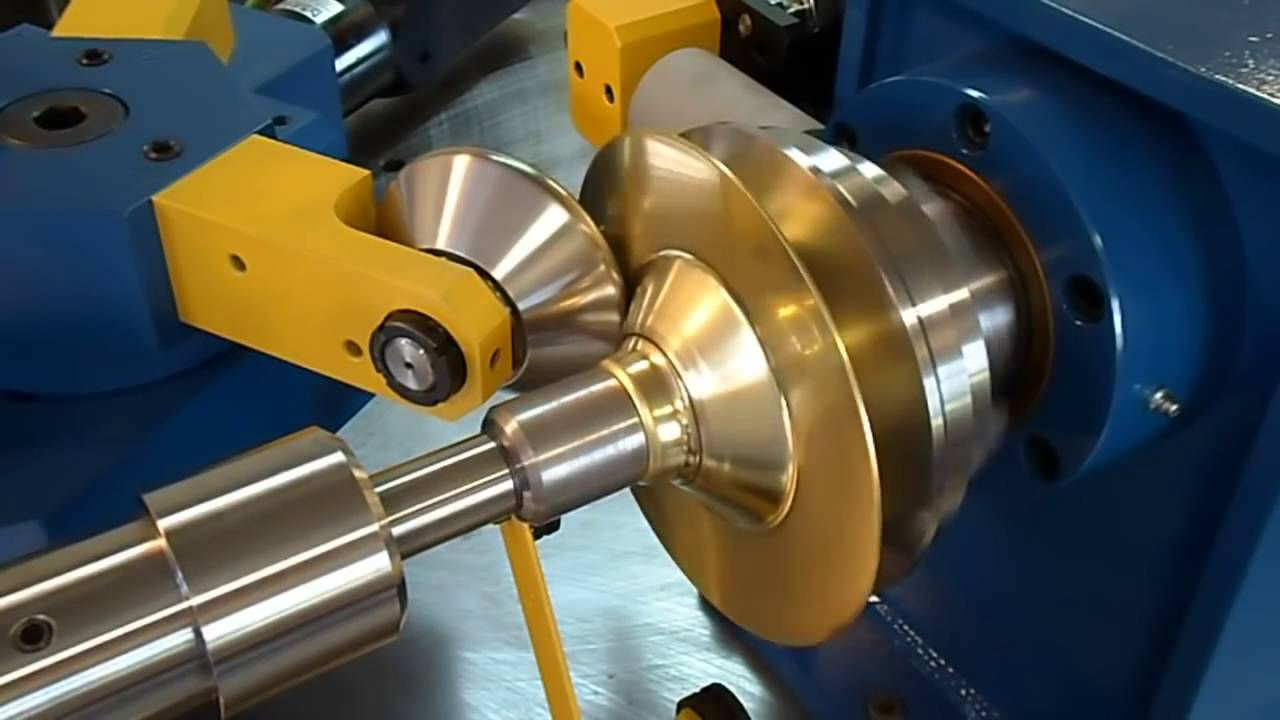
During the turning process, observe the cutting line, listen to the machine sound, any strange noise or unusual vibration is a sign that you must stop and check immediately. Do not try to "run it right away" because just a small mistake can cause the tool to break or the workpiece to fly out, which is extremely dangerous.
An immutable principle: only adjust and measure when the machine has stopped completely. Many new workers often rush, which is dangerous for themselves and can damage the knife and machine.
Read more:
Some advantages that can be found on CNC machines
Working on a pipe threading machine in just a few simple steps
What role does a pipe threading machine play? Why should you use it?