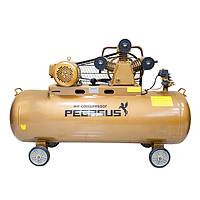
ເຄື່ອງອັດອາກາດ
Reliable compressed air is a basic utility in many workshops, production lines, service bays, and maintenance environments. When the air supply is unstable, contaminated, or undersized, it can affect tool performance, process consistency, and operating costs across the entire system. Choosing the right Air Compressor therefore means looking beyond pressure alone and considering how the unit fits into the wider compressed air setup.
On this category page, you can explore air compressor solutions suited to industrial and technical B2B requirements, along with related equipment that helps improve air quality and system efficiency. Whether you are building a new installation or upgrading an existing line, the goal is to match compressor capacity, duty cycle, and air treatment requirements to the actual application.
Why air compressor selection matters in industrial use
An air compressor is the starting point of any compressed air system. It converts mechanical power into pressurized air that can be used for pneumatic tools, automation support, cleaning, packaging, testing, and many other tasks. In practice, compressor choice has a direct impact on airflow stability, energy use, noise level, and maintenance planning.
For industrial buyers, the most important question is not simply how much pressure is needed, but how air is consumed throughout the day. Intermittent use in a workshop may require a different approach from continuous demand in production. A well-matched system helps reduce pressure drop, unnecessary cycling, and wear on downstream equipment.
Key factors to evaluate before choosing a unit
When comparing options in this category, buyers typically start with three core criteria: required pressure, airflow demand, and expected operating pattern. These basics help define whether the compressor is intended for light workshop use, service applications, or more demanding industrial duty.
It is also important to consider installation conditions. Available space, ventilation, ambient temperature, and noise constraints all influence which compressor configuration makes sense. In many cases, system planning should include not only the compressor itself but also suitable air dryer solutions and air filtration equipment to protect tools, valves, and process quality.
Power supply, maintenance accessibility, and future expansion should also be reviewed early in the selection process. A compressor that meets today’s demand but leaves no room for peak consumption or line growth can become a bottleneck sooner than expected.
How air compressors fit into a complete compressed air system
In many industrial environments, the compressor should be viewed as one part of a broader compressed air system. After air is generated, it usually needs to be conditioned before reaching the point of use. Moisture, oil carryover, and particles can reduce the performance of pneumatic tools and create reliability issues in automation and process applications.
That is why system design often includes storage, drying, and filtration stages. Buyers comparing this category may also want to review the broader range of compressed air treatment equipment available for cleaner and more stable downstream air delivery. Even a capable compressor can underperform in practice if the air network is not properly treated and distributed.
For applications involving paint work, instrumentation, sensitive valves, or precision assembly, air quality becomes especially important. In these cases, compressor selection should be coordinated with downstream treatment requirements rather than handled as a standalone purchase.
Common application environments
Air compressors are widely used across manufacturing, maintenance, repair, assembly, and utility support functions. Typical applications include powering pneumatic tools, supporting cleaning operations, driving air-assisted handling systems, and supplying general workshop equipment. In some facilities, compressed air is also integrated into packaging lines or machine support tasks where stable utility air is essential.
The required specification can vary significantly depending on how the air is used. A service area with short bursts of tool demand differs from a production cell that relies on continuous airflow during every shift. Understanding this operating profile helps buyers avoid both under-sizing and unnecessary oversizing.
Where process continuity is important, users often evaluate not only nominal compressor performance but also maintainability, system redundancy, and compatibility with the rest of the air network. This is particularly relevant in facilities that already operate air compressor systems as part of a larger utility infrastructure.
Brand options and purchasing considerations
This category may include products and solutions associated with manufacturers such as Emerson, Hyundai, MAKITA, METABO, STANLEY, ABAC, Mountz, PCE, PEGASUS, and Trotec. Each brand may be relevant to different use cases, from workshop-oriented equipment to industrial support applications. Rather than focusing only on brand familiarity, it is usually more useful to compare suitability for the intended workload and installation environment.
For B2B procurement, practical factors often matter just as much as the core machine specification. These include serviceability, compatibility with existing lines, availability of associated air treatment components, and whether the unit is intended for periodic or sustained operation. A compressor should be selected as part of a dependable operating setup, not only as a standalone machine purchase.
Best practices for planning and operation
Even the right compressor can lose efficiency if the overall system is not configured properly. Long pipe runs, poor drainage, inadequate filtration, or pressure settings that are higher than necessary can all increase energy consumption and reduce useful performance. Basic planning at the purchasing stage can help avoid these issues.
It is also good practice to review actual demand at the point of use. Many compressed air systems are selected with rough estimates, which may lead to excessive reserve capacity or repeated pressure complaints. Matching compressor output to real usage data helps improve system balance and can simplify maintenance over time.
Routine inspection remains important after installation. Monitoring pressure stability, condensate management, and filter condition can help maintain consistent operation and reduce the risk of contamination or unplanned downtime.
Finding the right air compressor for your application
The right choice depends on how much air is needed, how often it is needed, and what level of air quality the process requires. Some buyers need a practical compressor for general workshop tasks, while others are selecting for continuous industrial demand where reliability and downstream treatment are equally important. Looking at the full operating context usually leads to a better result than comparing headline figures alone.
By reviewing this category alongside related air treatment equipment, buyers can build a more complete and efficient compressed air solution. If you are evaluating options for a new installation or replacing an existing unit, a careful comparison of demand, environment, and system compatibility will help narrow down the most suitable air compressor setup.
ຮັບສ່ວນຫຼຸດພິເສດຕາມປະລິມານ, ອັບເດດລາຄາຂາຍສົ່ງ ແລະ ການແຈ້ງເຕືອນສິນຄ້າໃໝ່ສົ່ງກົງເຖິງອິນບັອກຂອງທ່ານ.
ໂດຍການສະໝັກສະມາຊິກ, ທ່ານຍອມຮັບ ເງື່ອນໄຂການໃຫ້ບໍລິການ ແລະ ນະໂຍບາຍຄວາມເປັນສ່ວນຕົວ ຂອງພວກເຮົາ.
ເຂົ້າເຖິງຜູ້ຊ່ຽວຊານທີ່ໄດ້ຮັບການຢັ້ງຢືນຂອງພວກເຮົາໂດຍກົງ