Milk concentration is an important process indicator in dairy production. It can influence product consistency and supports process control for applications such as pasteurized milk, UHT milk, and yogurt. Because milk contains multiple components, including proteins and lactose, concentration monitoring requires careful interpretation rather than treating the product as a simple, single-component liquid.
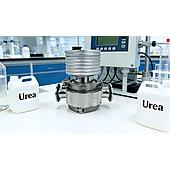
An inline refractometer for milk concentration testing can support real-time monitoring directly in the process. However, equipment selection should be based on the actual process, target measurement requirements, production capacity, installation location, and maintenance resources. A structured evaluation helps production teams choose an instrument that fits both current operation and long-term use.
Why Milk Concentration Monitoring Requires Careful Selection
Milk processing environments can be demanding. Production may run continuously, while operating temperatures, process conditions, and installation layouts vary from one facility to another. In addition, changes in milk composition can affect refractive-index-based measurements. These factors make it important to review the suitability of an inline refractometer for the specific product and production line.
A poorly matched instrument can create avoidable challenges. For example, results that are difficult to interpret may lead to extra manual checks. Unstable readings can complicate process decisions, and an installation that does not suit the line can make commissioning or routine servicing more difficult. The objective is not only to obtain a measurement, but also to establish a reliable monitoring process that operators can manage day to day.
Key Criteria for an Inline Refractometer for Milk Concentration Testing
Measurement suitability for dairy products
Start by confirming that the refractometer is appropriate for the characteristics of dairy products. Since milk includes several components that may affect refractive index, the measurement approach should be considered in relation to the specific concentration indicator being monitored. Define the product type, expected operating range, and the decisions that will be made from the reading before selecting equipment.
It is also useful to consider how the process will handle verification and calibration. The source information describes the CHN SPEC inline refractometer as designed with dairy-product characteristics in mind and intended to reduce the need for frequent manual calibration. Actual calibration practices should nevertheless be determined by the facility’s own quality procedures and process requirements.
Stability during continuous production
Many dairy lines operate for extended periods, so stable operation is a central selection factor. Review how the instrument is intended to perform in humid process areas and around conditions that may include mild corrosive gases. Sealing and optical-component construction can be relevant considerations when comparing available options.
For production teams, stability is also operational. Clear, repeatable data can make trend review easier and reduce unnecessary interventions. When assessing an instrument, consider the expected duty cycle, cleaning routine, potential vibration at the installation point, and the procedure for investigating unexpected readings.
Temperature effects and compensation
Temperature can influence refractometer readings. Dairy processing may involve conditions ranging from ambient temperature to approximately 80°C, according to the source material. For this reason, evaluate whether temperature compensation is available and how it applies to the intended process.
The CHN SPEC inline refractometer is described as having a temperature compensation function intended to correct for temperature changes. This may be relevant where process temperature varies, but teams should confirm that the instrument’s capabilities align with their actual operating conditions and validation method.
Installation compatibility
Installation requirements should be reviewed early in the selection process. Dairy plants may use pipeline-based processes, tank-based processes, or a combination of both. The chosen inline refractometer should fit the physical layout and allow access for inspection, cleaning, and routine maintenance.
Before installation, identify the preferred measurement point, available space, process connections, temperature conditions, and whether vibration is present. Commissioning guidance can also be valuable, particularly when integrating a new measurement point into an established production workflow.
Operation and Maintenance Considerations
Ease of use matters because measurement data must be understandable to the people operating the line. A clear display and accessible key data can help operators review conditions quickly after appropriate training. At the same time, facilities should define responsibilities for monitoring readings, cleaning the instrument, and escalating potential issues.
Routine cleaning is an important part of maintaining dependable process measurements. Maintenance requirements should be assessed alongside the plant’s existing sanitation schedule. Ask how routine cleaning, inspections, verification, and any needed technical support will be managed over the life of the equipment.
Evaluating a CHN SPEC Inline Refractometer
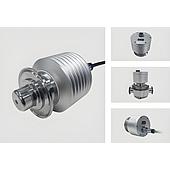
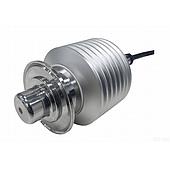
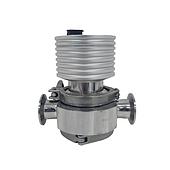
For dairy operations considering a CHN SPEC inline refractometer, the source information identifies several relevant areas: measurement use for milk products, sealing intended for dairy production environments, temperature compensation, and adaptability for pipeline or tank-based installations. These points can serve as a starting checklist rather than a substitute for site-specific evaluation.
Confirm the required measurement indicator, operating conditions, installation arrangement, operator workflow, and maintenance plan. Also consider the availability of technical guidance and follow-up support, since installation, calibration support, and servicing can affect the long-term practicality of an inline monitoring system.
Conclusion
An inline refractometer for milk concentration testing should be selected as part of the wider dairy process, not in isolation. Measurement suitability, operating stability, temperature effects, installation compatibility, and manageable maintenance all deserve attention. By defining these requirements before purchase, dairy processors can make a more informed choice for real-time concentration monitoring.