While working in a cleanroom environment, an important question we ask is about the potential risks to the health of our employees. In this article, EMIN will learn about this issue with you to answer that question.n.
Risks worth noting when working in a clean room environment
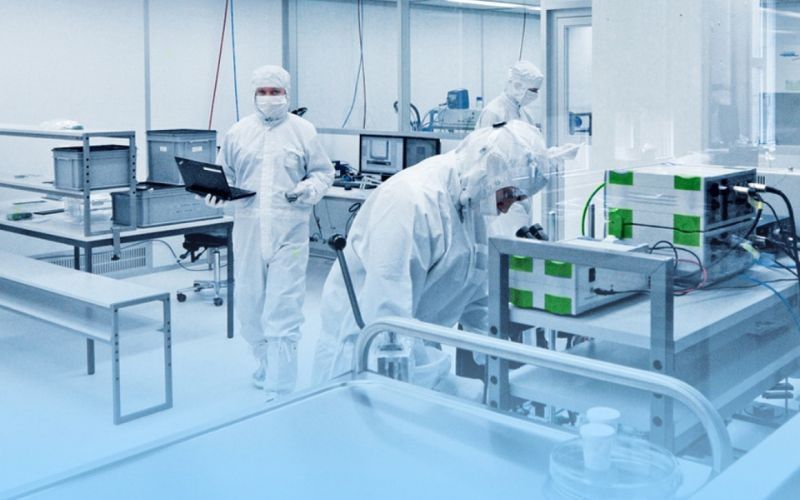
Cleanrooms play an important role in many industries, ensuring cleanliness and safety in the manufacturing process. To meet stringent requirements for temperature, humidity, pressure, cleanliness and cross-contamination, cleanrooms are carefully designed and maintained. This helps limit the spread of bacteria and cross-contamination between equipment, staff, and product.
Each sector has its own cleanroom standards, which are tested and evaluated by manufacturing facilities and authorities. This ensures employee safety and product quality. Although dust levels and toxic concentrations in cleanrooms are often within acceptable levels and below thresholds that can affect human health, specific research on the obvious hazards to cleanroom personnel has not yet been made public.
See the list of clean room equipment here!
Causes affecting clean room staff
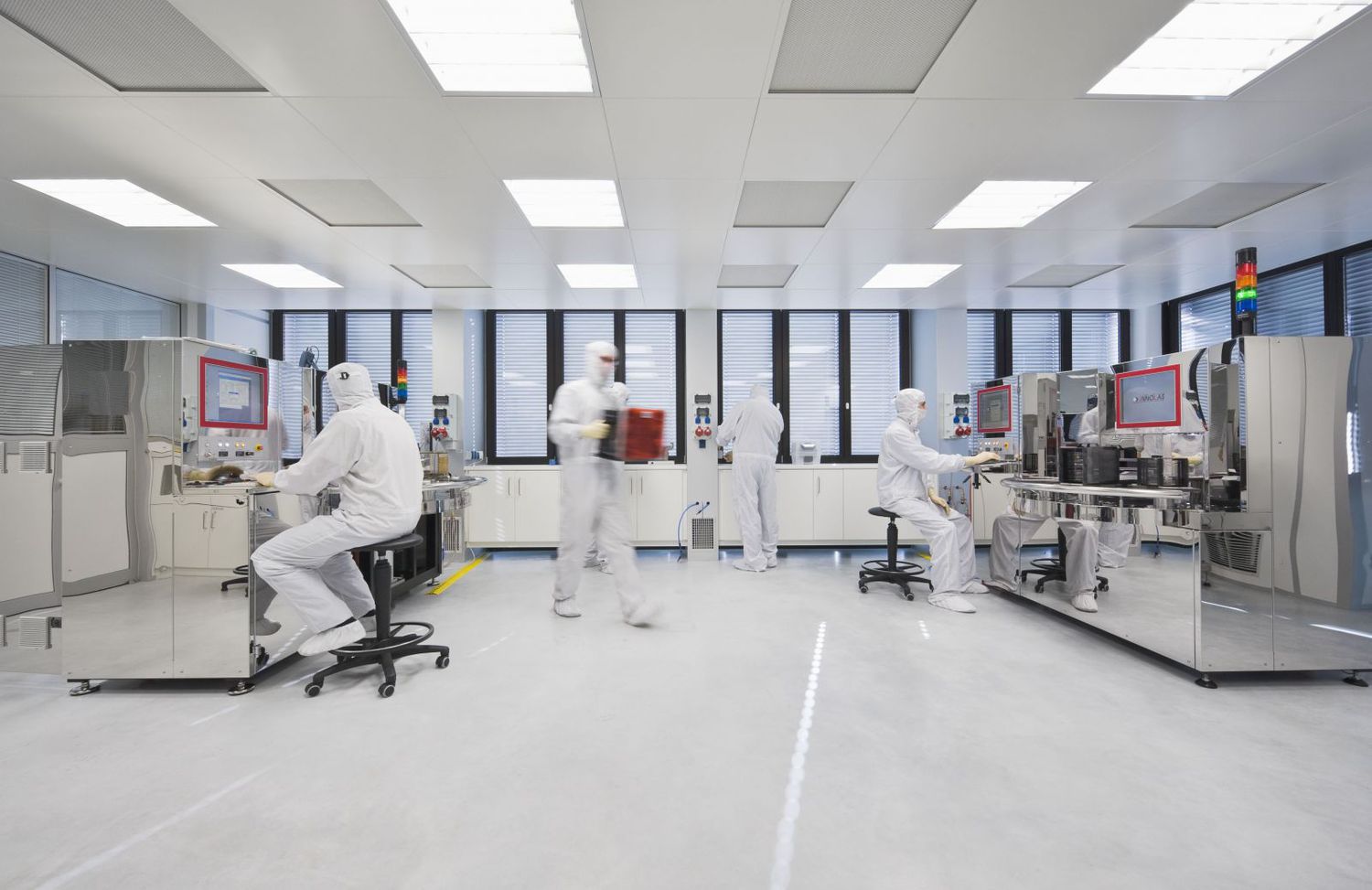
However, some employees still have questions about the risks they may face when working in a clean room environment, especially when their health condition is impaired. Potential causes include
Working environment problem: In the factory, if the design and maintenance is not done properly, having high levels of dirt, oxygen in the air is reduced due to isolation can cause hypoxia for body. Wearing an antibacterial, tight-fitting spacesuit, along with preservatives in the gloves, can cause wrinkling, aging hands, and severe scalp hair loss.
Impact of temperature: The temperature in the clean room is usually maintained in the range of 20 - 25°C, different from the outside temperature. During hot summer days, the temperature difference can be up to 8 - 12°C. This difference can cause fatigue, stress and discomfort by affecting the body temperature of the person.
Working posture and intensity of work: Some manufacturing processes require workers to perform repetitive tasks for long periods of time. The repetition and speed of manipulation can create stress, pressure and affect the health of workers, as well as product quality.
Ineffective labor management: The unreasonable organization and labor management of some production facilities can create undue pressure and affect the health of employees.
Personal health condition: Health problems such as joint pain, headaches, stress, insomnia and unscientific lifestyle can also affect worker's work performance and health. Illnesses and personal health problems can limit your ability to get things done effectively.
Some things to keep in mind when entering a clean room
In addition to the mentioned reasons, another important cause that cannot be ignored is the carelessness of staff when not fully equipped with personal protection procedures before approaching the clean room.
Cover your hair: To prevent hair loss and other bodily secretions, use a disinfected hood and mask.
Eye protection: Wear safety glasses to protect your eyes from hazards that may be caused by materials during the manufacturing process.
Wear gloves: To limit the harmful effects that may occur in the clean room, wearing gloves is necessary. Gloves should be stored in a sterilized plastic container and suitable for the type of work and the material of contact.
Wear protective clothing: Use protective clothing to isolate the body from tools and equipment in the clean room. The outfit includes a shoe cover to prevent the spread of bacteria and dirt from the body.
Wear shoes: Make sure to wear shoes that are specifically designed for cleanrooms for easy movement and to prevent bacteria and dirt from the outside environment.
See more: Meet international standards with leading cleanroom equipment from EMIN
Top 3 Smart Static Elimination Devices that are most interested in 2023
Notes when using Airshower - air blowing chamber that you should know