Torque wrench can improve repetitive assembly work by applying a fixed torque setting without requiring routine adjustments by the operator. This approach supports more uniform fastening where the same torque requirement is repeatedly used on an assembly line.
The appropriate tool still depends on the fastener, the required accuracy, and the characteristics of the assembly process. Click, break-over, and cam-over preset hand torque wrenches are distinct options, so selection should be based on the application rather than on a general claim of suitability.
What is a preset torque wrench used for on an assembly line?
A preset torque wrench is used to apply a specified, fixed torque to fasteners in repeatable assembly tasks. It is particularly relevant when a production process calls for the same torque value across many fastening operations.
Fastening bolts to precise specifications can be difficult to perform consistently without mechanical assistance. By using a torque wrench, operators can apply the required force more consistently, helping support uniformity among assembled products.
Why can preset torque wrenches streamline repetitive fastening?
Preset torque wrenches can streamline repetitive fastening because operators do not need to adjust the torque value before each use. Compared with an adjustable tool in a fixed-torque task, eliminating those routine setting changes can simplify the workflow.
This is relevant to production environments where cycle time and repeatability matter. The potential benefit comes from matching the fixed setting of the tool to a confirmed assembly requirement, not from assuming that one preset setting is suitable for every fastener.
How can the right torque wrench support assembly quality?
The right torque wrench supports assembly quality by helping deliver torque within the specified margin for the fastening operation. More consistent torque application can reduce fastening variation and may reduce product losses or the need for additional quality checks.
Tool selection should account for the actual assembly requirement. A torque tool that is unsuitable for the fastener size, required accuracy, or special process characteristics may not provide the intended result.
What types of preset hand torque wrenches are available?
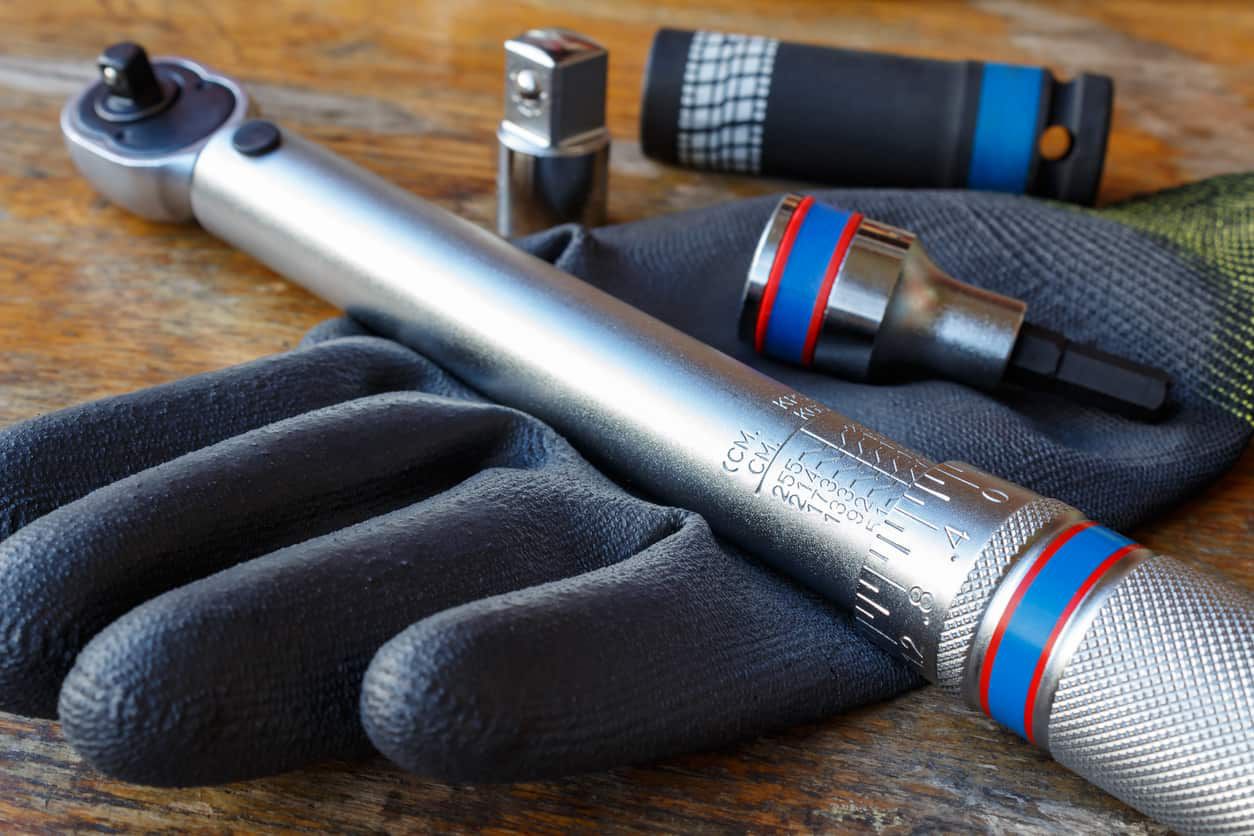
Three common preset hand torque wrench types are click wrenches, break-over wrenches, and cam-over wrenches. Each type has different characteristics related to power, accuracy, and fastener handling.
- Click wrenches: One of the principal preset hand torque wrench types used for fastening tasks.
- Break-over wrenches: Another preset hand torque wrench option with its own operating characteristics.
- Cam-over wrenches: A design intended to help prevent fastening failures and support precise torque application regardless of operator skill level.
These categories should not be treated as interchangeable. The required torque behavior and the details of the fastening operation should guide the choice.
When should a cam-over torque wrench be considered?
A cam-over torque wrench should be considered when the application prioritizes precise torque application and reducing the risk of fastening failures. The source information identifies cam-over designs as particularly suited to applying precise torque independently of operator skill level.
That does not establish a cam-over wrench as the best choice for every line. Fastener size, required accuracy, and special assembly characteristics remain key selection factors for any preset tool type.
How should manufacturers evaluate a preset torque wrench?
Manufacturers should evaluate a preset torque wrench using comprehensive testing data rather than relying only on statements that it complies with standards. Evidence of calibration reliability is important when consistent fastening is a production requirement.
High-quality preset torque wrenches are described as adhering to national and international calibration reliability standards. The available information does not identify a specific standard or a universal accuracy value, so those details should be verified for the individual tool and application.
Can torque tool quality affect calibration checks and downtime?
Torque tool quality can affect the frequency of calibration checks, tool downtime, and maintenance expense. The source information states that higher-quality tools can reduce the need for frequent calibration checks, while lower-quality tools may require more testing and repair.
For an assembly line, this makes tool durability and calibration reliability practical evaluation points alongside torque capability. A purchasing decision should consider the likely effect on the overall process, not only the initial tool cost.
What warranty information matters when choosing a torque tool?
Warranty coverage matters because it indicates the support terms offered for the torque tool. The source notes that reputable manufacturers may provide robust warranty programs, including end-to-end coverage of up to two years and lifetime coverage against manufacturer defects.
Coverage varies by manufacturer and product, so the applicable terms should be reviewed before purchase. Warranty duration alone does not replace checking testing data, calibration reliability, and compatibility with the intended assembly operation.
What is the practical checklist for selecting a preset torque wrench?
Select a preset torque wrench by first confirming the fastener size, torque requirement, required accuracy, and any special assembly characteristics. Then compare suitable click, break-over, and cam-over options using available testing data and the stated calibration and warranty terms.
- Confirm the required fixed torque for the fastening task.
- Match the tool to the fastener size and assembly conditions.
- Choose a tool type appropriate to the required handling and accuracy.
- Review testing data instead of relying only on compliance claims.
- Consider calibration needs, expected downtime, maintenance, and warranty coverage.