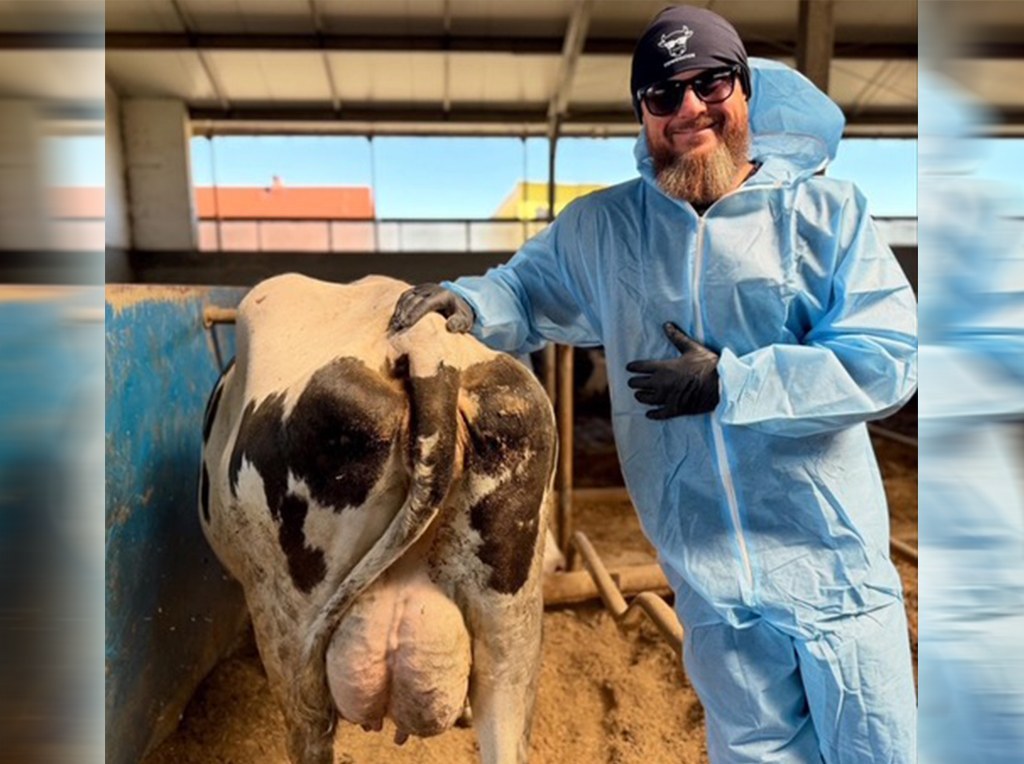
Dairy cow mastitis is inflammation of the mammary gland and a major udder-health concern in dairy operations. It can affect animal comfort, milk quality, and daily farm management. Mastitis may be linked to infectious or environmental factors, and more than one pathogen can be present in a herd at the same time. A consistent approach to observation, hygiene, testing, and veterinary decision-making helps farms respond appropriately.
What causes mastitis in dairy cows?
Mastitis-causing bacteria may come from the cow’s environment or spread between animals. Environmental sources can include bedding, manure, and soil. Examples named in dairy mastitis discussions include Escherichia coli and Streptococcus uberis. These organisms may enter through the teat canal, particularly where hygiene conditions are inadequate.
Contagious pathogens can move from cow to cow through hands, milking equipment, direct contact, or flies. Examples include Streptococcus agalactiae, Staphylococcus aureus, Mycoplasma spp., and Corynebacterium bovis. Identifying the likely source matters because prevention measures should address both the animal and its milking and housing environment.
Recognizing mastitis symptoms in cows
Mastitis may be subclinical or clinical. Subclinical mastitis has no obvious external signs, so it is commonly identified through milk monitoring, including an increased somatic cell count (SCC). This makes routine checks valuable even when cows appear normal.
Clinical mastitis produces visible changes, but severity can vary. Peracute cases may begin suddenly and can involve high fever and a risk of shock. Acute cases may involve swelling, redness, pain, and changes in the milk. Mild cases can have less intense but persistent signs.
Signs that need attention
- A swollen, red, or painful udder
- Milk with clots, cloudiness, or an unusual odor
- Fever, lethargy, or reduced appetite
- Elevated SCC results in milk monitoring
These signs should be assessed promptly. Since visible symptoms alone do not identify the cause, a diagnosis should combine cow observation with suitable milk and veterinary testing.
Diagnosis and treatment planning
Udder examination is an important starting point. On-farm methods such as the California Mastitis Test (CMT) can support screening. Milk culture may be used to identify a pathogen and assess antibiotic sensitivity. Additional approaches described for herd evaluation include PCR testing from bulk milk samples and blood or milk testing to assess inflammatory response.
Treatment decisions should be made with a veterinarian. Management may include anti-inflammatory drugs to reduce pain and swelling, antibiotics selected on the basis of culture results, fluids in severe cases, and topical udder treatments. The appropriate response depends on the cow’s condition and the diagnostic findings; antibiotics should not be selected without proper professional direction.
Prevention practices for better udder health
Preventing dairy cow mastitis requires routine discipline rather than a single action. Teats should be disinfected before and after milking, while equipment should be kept clean. A sanitary barn environment, dry clean bedding, and regular manure removal can reduce exposure to environmental bacteria.
Fly control also deserves attention because flies may carry bacteria between animals. A balanced diet with essential vitamins and minerals supports immune function. Regular milk testing and SCC checks provide a way to follow herd trends and investigate warning signs earlier. Vaccines are available for some pathogens and may help reduce outbreaks, depending on the herd’s circumstances.
Using DRAMIŃSKI MD4X4Q2 for monitoring
DRAMIŃSKI MD4X4Q2 is designed for early detection of subclinical mastitis in cows, sheep, and goats. The device measures the electrical resistance of milk to help identify differences that may indicate udder inflammation before visible symptoms appear. In cows, it can test milk from four udder quarters simultaneously; for sheep and goats, it can test two.
For use, the first streams of milk are collected directly into the measuring cup, then the measurement is started with the device button and displayed on screen. DRAMIŃSKI MD4X4Q2 does not require additional reagents. It can store up to 250 animal identifiers and 200,000 measurements with date and time, while its dedicated application supports data analysis and monitoring of treatment progress.
Milk-resistance monitoring does not replace clinical examination, laboratory testing, or veterinary advice. However, when used as part of a regular monitoring routine, it can help farm teams compare quarters, identify animals requiring closer assessment, and maintain a more structured record of udder health.
A practical mastitis management routine
Effective mastitis control combines clean milking procedures, comfortable housing, regular monitoring, early action, and veterinary-guided treatment. Farm staff should know which udder and milk changes to report and should record findings consistently. By connecting daily hygiene with SCC checks, diagnostic testing where needed, and tools such as DRAMIŃSKI MD4X4Q2, dairy farms can take a more proactive approach to udder health and animal welfare.