Electrical insulation materials are selected and evaluated for their ability to perform under an electric field. Two important properties in that evaluation are dielectric constant and dielectric loss. Reviewing both values together helps engineering, quality, and manufacturing teams understand how an insulation material behaves in the intended application.
What dielectric constant and dielectric loss indicate
Dielectric constant describes a material’s capacity to store electrical energy when an electric field is applied. This property can be relevant wherever the electrical behavior of an insulating material must be understood, including applications that use the material’s energy-storage characteristics.
Dielectric loss describes energy consumed by the material under an alternating electric field. That loss can appear as heat. For insulation assessment, a lower loss value may indicate less energy dissipation during operation; however, the result should always be considered alongside the material’s application, test conditions, and other electrical properties.
Neither measurement should be read in isolation. A higher dielectric constant is not automatically better for every use. It may be useful in certain capacitor-related applications, while general insulation decisions require a broader view of electrical performance. Likewise, dielectric loss is one part of a complete evaluation rather than a stand-alone prediction of field service life.
Why controlled test conditions matter
Material composition and structure can affect dielectric behavior. Environmental and electrical conditions also influence the measured result. Key conditions to document and control include temperature, humidity, and the frequency of the applied electric field.
Humidity deserves particular attention because moisture can increase dielectric loss. Comparisons between materials or production batches are more meaningful when samples are prepared consistently and measurements are made under comparable conditions. Recording the relevant conditions with each result creates a clearer basis for quality review and later investigation.
Establish a repeatable measurement process
A repeatable process starts with a defined test method and consistent sample handling. Before comparing results, teams should identify the sample type, intended frequency conditions, and applicable temperature and humidity controls. The same approach should be maintained across routine checks whenever possible.
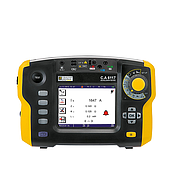
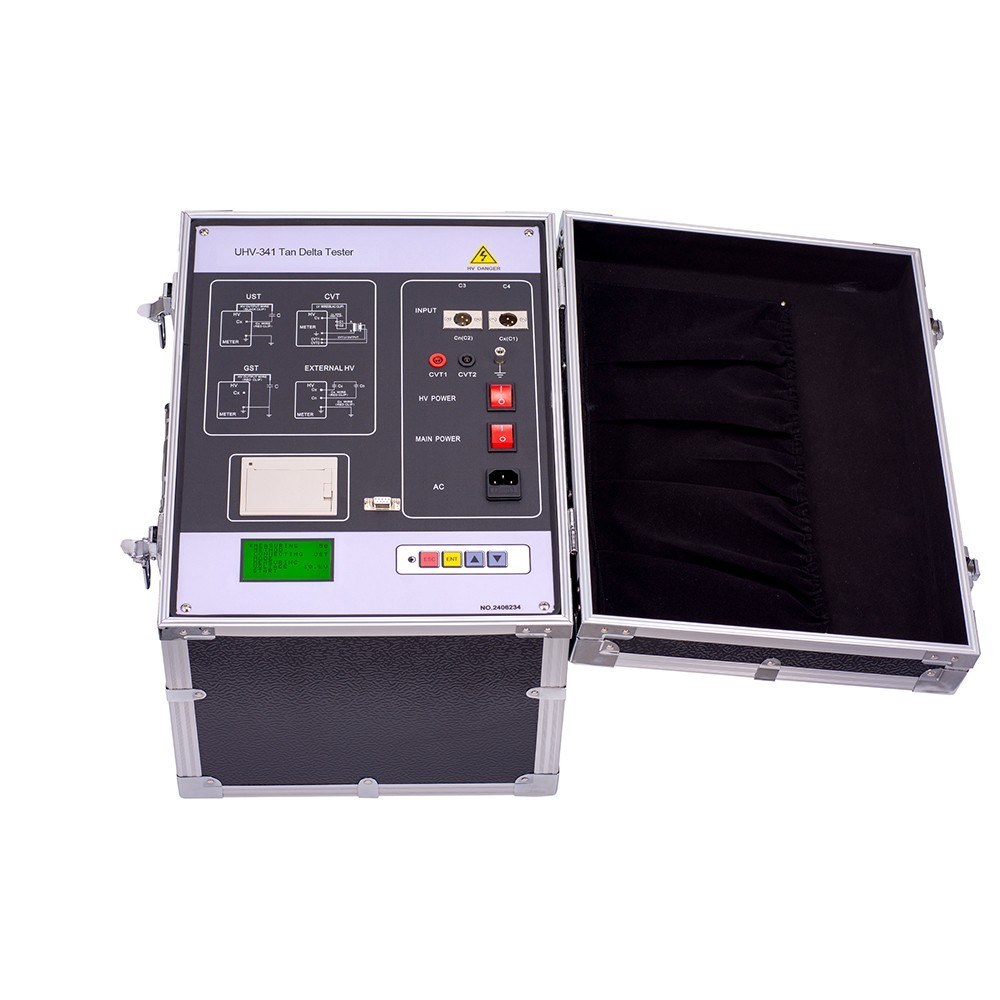
Measurement instruments used for dielectric constant and dielectric loss testing support data collection at different frequencies and temperatures. Instrument selection should be based on the actual testing requirement, including the required frequency range, temperature range, measurement accuracy, and sample type. A Tan Delta Tester may be considered where the test plan calls for dielectric-loss measurement.
Using the data for insulation material evaluation
Test results can support material selection, incoming inspection, process quality control, and troubleshooting. Instead of considering a single reading as a final answer, compare results with the defined requirements for the material and application. Review trends across samples, batches, or repeated tests performed under the same conditions.
For deeper analysis, dielectric measurements can be considered together with material microstructure observations. This combined review can help identify possible sources of changing dielectric behavior and guide material improvement work. When a result changes unexpectedly, first confirm that the sample preparation and test conditions were consistent before drawing conclusions about the material itself.
Periodic monitoring and broader insulation assessment
Periodic monitoring of insulation materials in use can help identify potential performance changes early. A planned measurement schedule and well-organized records make it easier to recognize a developing trend rather than react only after a noticeable issue occurs.
Dielectric constant and dielectric loss are important indicators, but they are not the only ones relevant to insulation performance. Breakdown voltage, insulation resistance, and heat resistance are also cited as important evaluation factors. The appropriate combination depends on the equipment, operating environment, and purpose of the assessment.
Frequently asked questions
Is a higher dielectric constant always preferable?
No. Dielectric constant affects electrical energy storage and can be advantageous for some applications. For general insulation use, it should be assessed together with dielectric loss and the requirements of the specific application.
When can dielectric loss become more significant?
Dielectric loss can have a greater effect in high-frequency and high-temperature environments, where energy dissipation may contribute to heating. Controlled testing helps reveal how conditions influence the result.
What should be considered when choosing a tester?
Start with the required frequency range, temperature range, measurement accuracy, and sample type. These requirements determine whether a particular dielectric constant and dielectric loss testing instrument is suitable for the planned method.
Do these measurements directly determine material life?
They provide useful information about electrical behavior under an electric field, but material life should be evaluated with other relevant properties and the actual operating conditions. A comprehensive assessment is more reliable than relying on one measurement alone.