Why is it important to pay attention to the humidity level in a newborn's room?
With delicate skin and a small respiratory system, newborns are highly sensitive to temperature and humidity conditions in their surroundings. If the air is too dry, it can irritate their airways, making breathing difficult, causing coughing, and even increasing the risk of pneumonia. Additionally, a baby's fragile skin may become dry, cracked, and itchy.
On the other hand, excessive humidity is also harmful as it creates an ideal environment for bacteria, viruses, and mold to thrive, posing risks to both respiratory health and skin conditions. Improper temperature and humidity levels can also directly impact a baby's sleep, making them uncomfortable and more prone to frequent crying, which in turn affects their overall development. Therefore, maintaining an optimal temperature and humidity level in a newborn's room is crucial for providing a safe, comfortable, and healthy environment for their growth.
To help newborns maintain a stable body temperature of around 36.5 – 37.5°C, which is ideal for their well-being, it is important to keep them properly warm. Right after birth, babies should be dressed appropriately in full clothing, including a soft hat, socks, and mittens, and covered with a lightweight blanket to prevent heat loss or exposure to cold.
What is the appropriate humidity level for a newborn's room?
To create an ideal environment for a baby's development, it is important to adjust the room's humidity level according to the child's age. Many hospitals today maintain newborn room humidity at an average of around 55%, which helps protect their respiratory health and delicate skin.
For young children aged 1 year and older
For infants under 2 months old, their skin and respiratory system are still highly sensitive, so the ideal humidity level should range between 50-55% to ensure maximum comfort. As they enter the 2-12 month stage, the recommended humidity range can be slightly broader, around 45-55%.
By the time a child is over 1 year old, their body is more developed and can tolerate a wider humidity range, making 40-60% suitable. Depending on each stage of development, families should adjust the humidity level accordingly to create the most comfortable and healthy environment for their baby.
For premature babies
For premature babies, maintaining the right temperature and humidity levels is crucial to ensuring their development and safety:
- For premature babies weighing between 2 – 2.5 kg, the room temperature should be kept between 27 – 28°C.
- For those weighing between 1.5 – 2 kg, the room temperature should be maintained at 30 – 32°C.
- The humidity level should be kept between 40 – 60%.
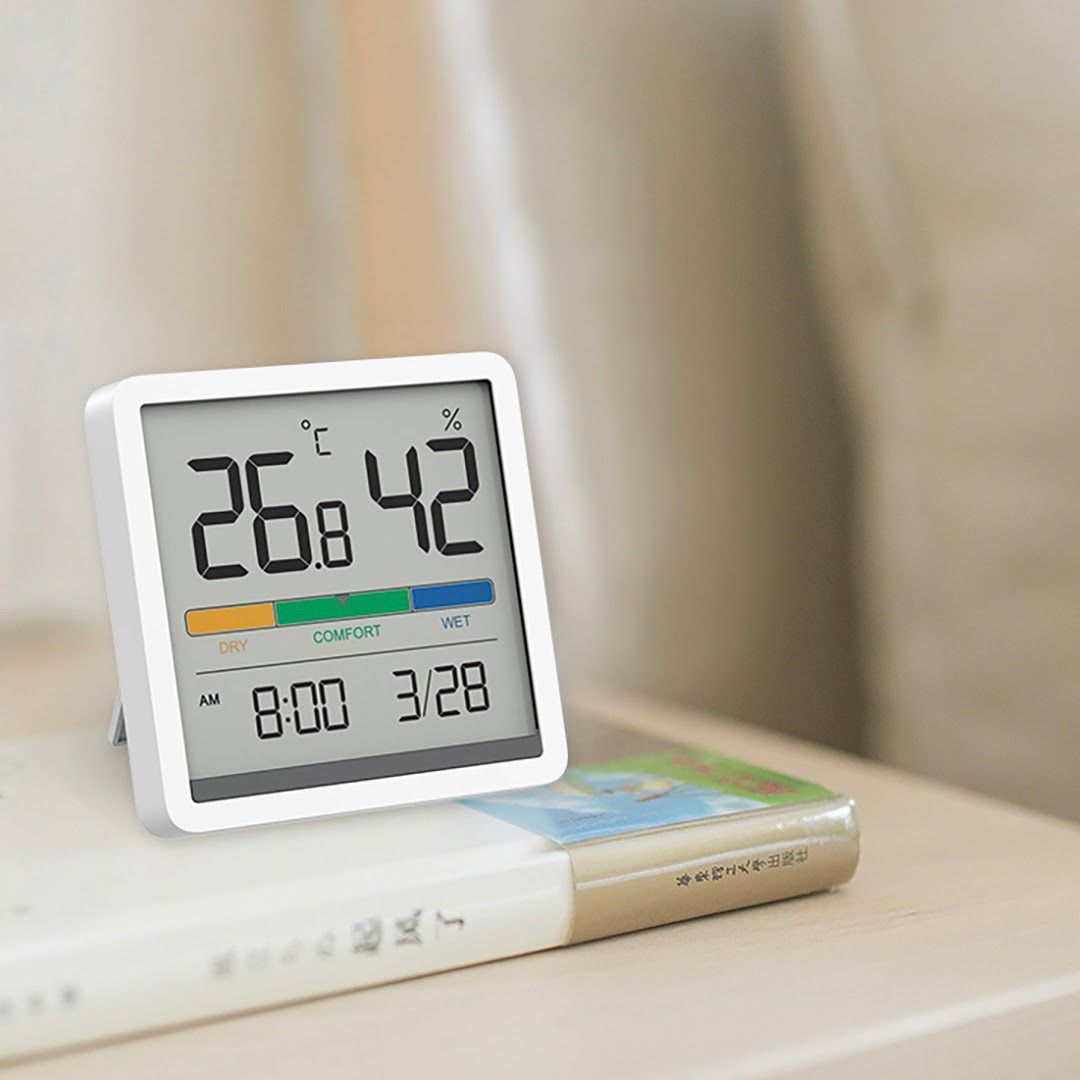
To monitor and maintain these conditions, using a temperature and humidity meter is essential. It is also important to closely observe the baby’s reactions to adjust the room temperature accordingly, ensuring they are neither too hot nor too cold. If the humidity level is too low, a humidifier should be used to maintain an optimal environment, keeping the baby comfortable and safe.
Baby's bathroom temperature
The ideal bathroom temperature for babies should be adjusted according to the season, ranging from 35-38°C in autumn and winter and 29-30°C in summer. Temperatures that are too high or too low can cause breathing difficulties, dehydration, or colds. Parents should use a thermometer to check the water temperature before bathing their baby.
Humidity in the bathroom is also an important factor to consider. The ideal humidity level should be maintained around 50% to prevent skin conditions such as fungal infections, dryness, or cracking. Both excessively high and low humidity levels can be harmful to a baby’s sensitive skin.
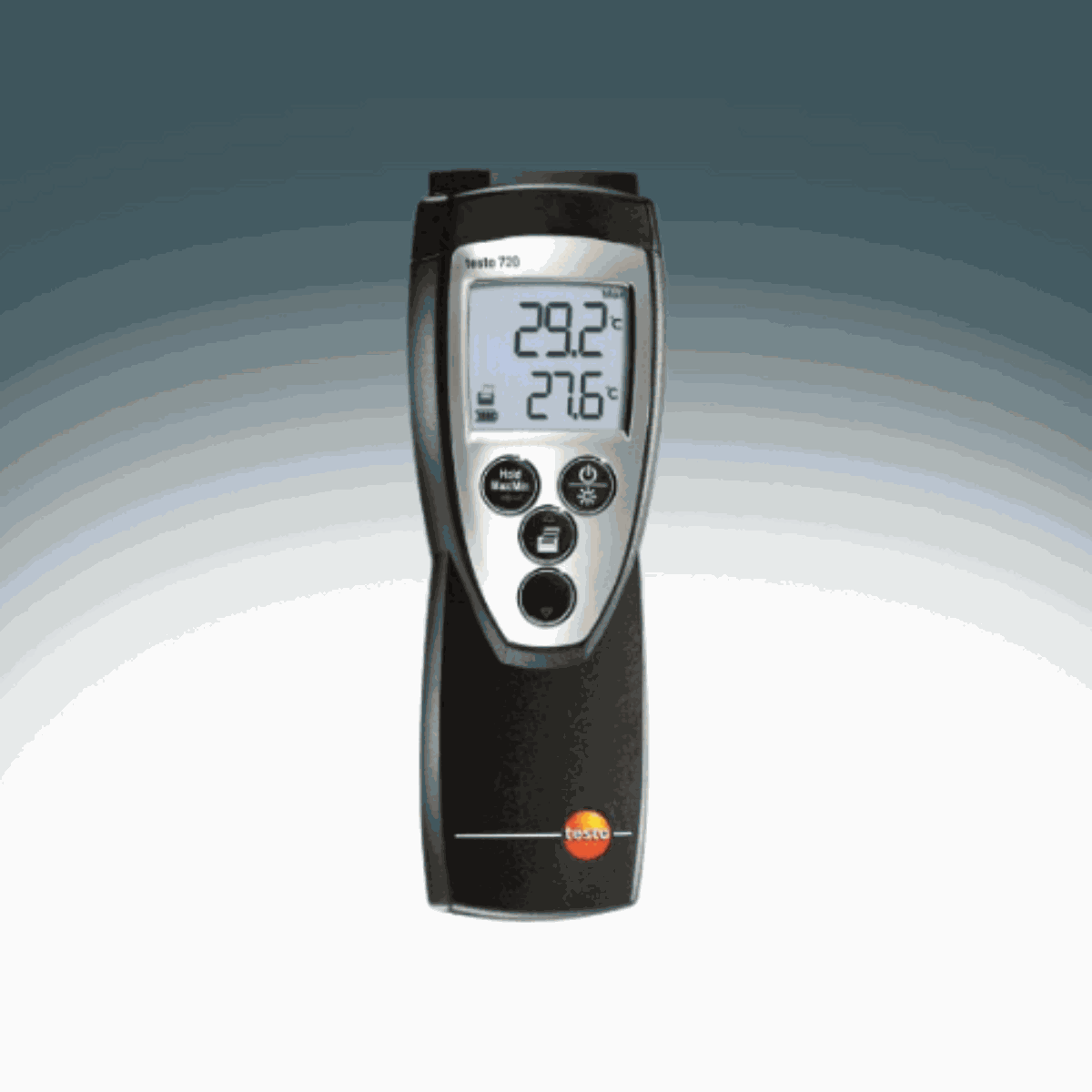
After bathing, maintaining proper temperature and humidity remains essential. Baths should be kept short, around 5-10 minutes, using mild baby soap. Afterward, the baby should be dried thoroughly and dressed warmly. It is also important to rinse off all soap residue to prevent skin irritation, ensuring the baby stays comfortable and safe.
Note: You should use a thermometer to control the temperature of young children as well as the temperature in the room
Instructions for adjusting the appropriate room temperature for your baby
To adjust the humidity in a newborn’s room during hot weather, follow these steps:
Use a dual-function air conditioner to both cool the room and reduce humidity.
Open windows to improve ventilation and allow fresh air to circulate.
Use a fan to create a cooling airflow and help lower the room temperature.
Hang curtains or cover windows to block direct sunlight and keep the room cool.
Dress the baby in lightweight, breathable clothing for better comfort in hot weather.
Ensure the baby stays hydrated to prevent dehydration caused by high temperatures.
Here are ways to ensure children's health in cold weather:
Use a heater to keep the room warm.
Close windows to prevent cold drafts from entering and to retain heat.
Hang thick curtains to enhance insulation and maintain room warmth.
Dress the baby in warm, thick clothing to keep their body temperature stable.
Ensure the baby drinks warm water to help maintain body heat.
To create an ideal temperature and humidity environment in the baby’s room, families can consider using modern equipment. An air purifier is an effective solution for removing dust, bacteria, mold, and other harmful particles, ensuring clean and safe air for the baby.
If the room’s humidity is too low, a humidifier can help increase moisture levels, preventing the baby’s skin from drying out and becoming irritated. Conversely, if humidity is too high, a dehumidifier can regulate and maintain an optimal humidity level, ensuring the baby’s comfort.
Conclude
Above is useful information about room humidity for newborns. Hopefully these shares will help families with young children grasp the necessary knowledge to best care for and protect their baby's health.