
For full functionality of this site it is necessary to enable JavaScript.
EMIN.VN
0

Do you know how much moisture the dried product has?

27/03/y 16:35:09

The moisture content of dried products plays an important role in preservation and use. The appropriate moisture level helps maintain quality and preserve natural flavor, especially for foods such as dried fruits or nutritious nuts.

To control humidity effectively, people use specialized equipment such as agricultural moisture meters or moisture analyzers. These devices will directly contact the drying sample, measure and give accurate results. Based on that, users can easily evaluate product quality and adjust the drying process accordingly.

Ideal humidity for drying products?

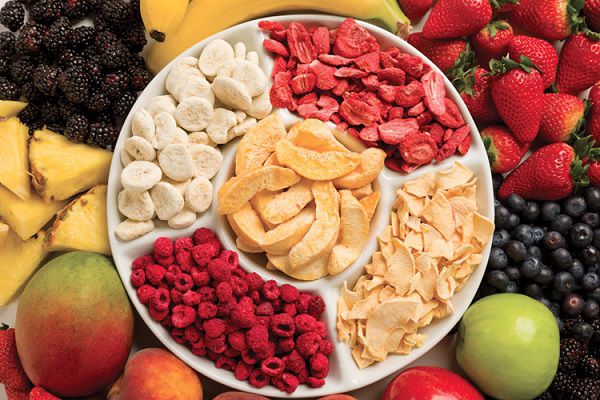
Have you ever wondered what the standard humidity level of dried products is for best preservation? Each type of raw material will have a different suitable humidity level, but usually, this number fluctuates between 5% - 30%. Precise control will help the product maintain its quality for a long time and retain its original flavor.

For example, if you dry rice to preserve it for 2 - 3 months, the humidity needs to be maintained at around 13 - 14%. If it does not meet the standard, the rice may become moldy or lose quality during use.

So what factors does this humidity depend on? It depends on the type of raw material, storage time and storage conditions. For dried nuts such as cashews and sunflower seeds, the appropriate humidity usually ranges from 5% - 15%. Meanwhile, dried fruits or leaves may need a humidity level of 15% - 25%, depending on the storage time. If you plan to store for a long time, you need to adjust the humidity appropriately to maintain optimal quality.

Formula for calculating product moisture after drying – Do you know yet?

When drying raw materials such as tubers, seeds, flour or meat, humidity control is an important factor in preserving the product for a long time without affecting the quality. For raw materials with a moisture content after drying of no more than 18%, the formula for calculating relative humidity (ω) is determined as follows:

ω = (G1 - G2)/G × 100; %

In which:

G1: Weight of box and raw materials before drying

G2: Weight of box and sample after drying

G: Weight of sample to be determined

Important notes when preserving dried products

So, how to keep the dried product in the best quality after completion? Here are some notes you should not ignore:

Clean the sample before drying: Helps remove impurities, ensures the product is of good quality and can be used immediately after drying without having to wash again.

Classify raw materials according to intended use: Helps optimize the drying process, saving time and storage costs.
Choose the right drying method: Depending on the type of raw material, you can choose to dry, dry soft or use methods such as drying oven, drying cabinet, electric drying or firewood.

Regularly control temperature and humidity: Use a humidity probe to monitor accurately, avoid the case of the product being too dry or having excess moisture, affecting the storage time.

Proper packaging: After drying, the finished product should be stored in a sealed plastic bag, vacuumed and placed in a glass cabinet or cold storage to maintain the quality of the product.


ຂ່າວທີ່ກ່ຽວຂ້ອງ

The scent of new wood in a newly handed-over apartment: How to measure and address formaldehyde (HCHO) levels before moving in
14/11/y 10:28:19

Many people refer to the pungent, acrid odor that emerges when opening a new cabinet as the "smell of new wood," assuming it will simply dissipate after a few days. In reality, however, what is being released could well be formaldehyde—a substance originating from the adhesives used in the pressed-wood panels—and our sense of smell is not a reliable enough gauge to determine the concentration levels present

Guide to Selecting a TCLP Toxicity Characteristic Leaching Procedure Shaker Configuration in Compliance with QCVN 07:2025/BNNMT and TCVN 9239:2012
13/11/y 17:23:39

Regulation QCVN 07:2025/BNNMT (replacing QCVN 07:2009/BTNMT and QCVN 50:2013/BTNMT) specifies hazardous waste and sludge thresholds based on leachate concentrations. To ensure that analytical results for heavy metals and organic compounds are accepted during ISO/IEC 17025 or VIMCERTS assessments, laboratories must comply with the Toxicity Characteristic Leaching Procedure (TCLP) specified in TCVN 9239:2012, which is equivalent to US EPA Method 1311

Checking the Temperature of Paint and Coating Surfaces After Curing Using an Infrared Thermometer
13/11/y 16:11:22

An infrared thermometer allows surface temperature measurement without direct contact, making it suitable for products coming out of curing ovens or surfaces that are difficult to access. However, to ensure reliable results for production quality control, it is important to understand the measurement principle and the factors that affect measurements on painted and coated surfaces.

Crowded Gyms and Yoga Studios: How to Manage Air Quality to Retain Members
13/11/y 15:07:40

Around 6 or 7 in the evening, the gym becomes packed; the music drowns out the sound of heavy breathing, and the air conditioning runs at full blast behind closed doors. At first glance, everything seems fine: the room is cool, the lights are bright, and the equipment is state-of-the-art. Yet, after just a few sessions, regular members begin to feel a heavy-headedness and find themselves running out of breath more quickly eventually, they simply stop renewing their memberships. No one complains about the personal trainers or the exercise machines. The very thing that makes them feel stifled and drives them away is something entirely invisible: the air inside the room

ຕິດຕາມຂ່າວສານ ແລະ ຂໍ້ສະເໜີ

ຮັບສ່ວນຫຼຸດພິເສດຕາມປະລິມານ, ອັບເດດລາຄາຂາຍສົ່ງ ແລະ ການແຈ້ງເຕືອນສິນຄ້າໃໝ່ສົ່ງກົງເຖິງອິນບັອກຂອງທ່ານ.

ໂດຍການສະໝັກສະມາຊິກ, ທ່ານຍອມຮັບ ເງື່ອນໄຂການໃຫ້ບໍລິການ ແລະ ນະໂຍບາຍຄວາມເປັນສ່ວນຕົວ ຂອງພວກເຮົາ.

ການຊ່ວຍເຫຼືໍາດ່ວນ

ເຂົ້າເຖິງຜູ້ຊ່ຽວຊານທີ່ໄດ້ຮັບການຢັ້ງຢືນຂອງພວກເຮົາໂດຍກົງ


