For full functionality of this site it is necessary to enable JavaScript.
EMIN.VN
0

Mechanical Engineering

How to quickly fix solder that won't melt? What should be done?
21/08/y 09:17:36

The soldering iron is hot, yet even after touching the resistor lead for ten seconds or more, the solder just clumps up instead of flowing smoothly. A novice's first instinct is often to crank up the temperature. While that sometimes works, temperature isn't always the root cause; in many cases, increasing the heat only burns the flux and pads, potentially ruining the component leads in the process

What is the typical Shore A hardness of rubber? Does it change with temperature?
11/08/y 10:11:49

Industrial rubber typically falls within the 40–80 Shore A range, though there is no single standard hardness for all types; components such as gaskets, seals, vibration dampers, and rollers may utilize different hardness levels depending on specific requirements. Temperature also significantly affects measurement results: heated rubber tends to soften—lowering the Shore A value—while cold rubber tends to harden, causing the Shore A reading to rise.

Comparing Shore A and Shore D Hardness: Two Common Hardness Scales Today
10/08/y 14:16:08

Both Shore A and Shore D are used to measure material hardness, but each scale is suited to a different group of materials. Soft rubber, silicone, or elastic gaskets are typically tested using Shore A, whereas hard plastics, engineering plastics, and materials with low deformation are better suited to Shore D

How to Choose the Correct Measurement System for a Feeler Gauge
06/08/y 11:04:49

When using metric or inch feeler gauges, the measurement system should match the product's original design specifications. Otherwise, conversion and rounding errors may accumulate across multiple mating surfaces, causing the final clearance to deviate from the intended design value.

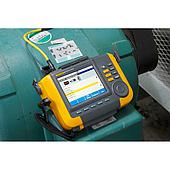
Sinusoidal and Random Vibration: A Test Setup Guide for Industrial Engineers
21/07/y 10:30:38

During the operation of industrial machinery or the transportation of goods, persistent mechanical vibrations inevitably occur; these are a primary cause of material fatigue, loosened connections, and cracking in printed circuit boards (PCBs). To ensure product integrity before delivery to customers, R&D and QA/QC engineers must simulate these dynamic forces using vibration test systems.

ຕິດຕາມຂ່າວສານ ແລະ ຂໍ້ສະເໜີ

ຮັບສ່ວນຫຼຸດພິເສດຕາມປະລິມານ, ອັບເດດລາຄາຂາຍສົ່ງ ແລະ ການແຈ້ງເຕືອນສິນຄ້າໃໝ່ສົ່ງກົງເຖິງອິນບັອກຂອງທ່ານ.

ໂດຍການສະໝັກສະມາຊິກ, ທ່ານຍອມຮັບ ເງື່ອນໄຂການໃຫ້ບໍລິການ ແລະ ນະໂຍບາຍຄວາມເປັນສ່ວນຕົວ ຂອງພວກເຮົາ.

ການຊ່ວຍເຫຼືໍາດ່ວນ

ເຂົ້າເຖິງຜູ້ຊ່ຽວຊານທີ່ໄດ້ຮັບການຢັ້ງຢືນຂອງພວກເຮົາໂດຍກົງ