For full functionality of this site it is necessary to enable JavaScript.
EMIN.VN
0

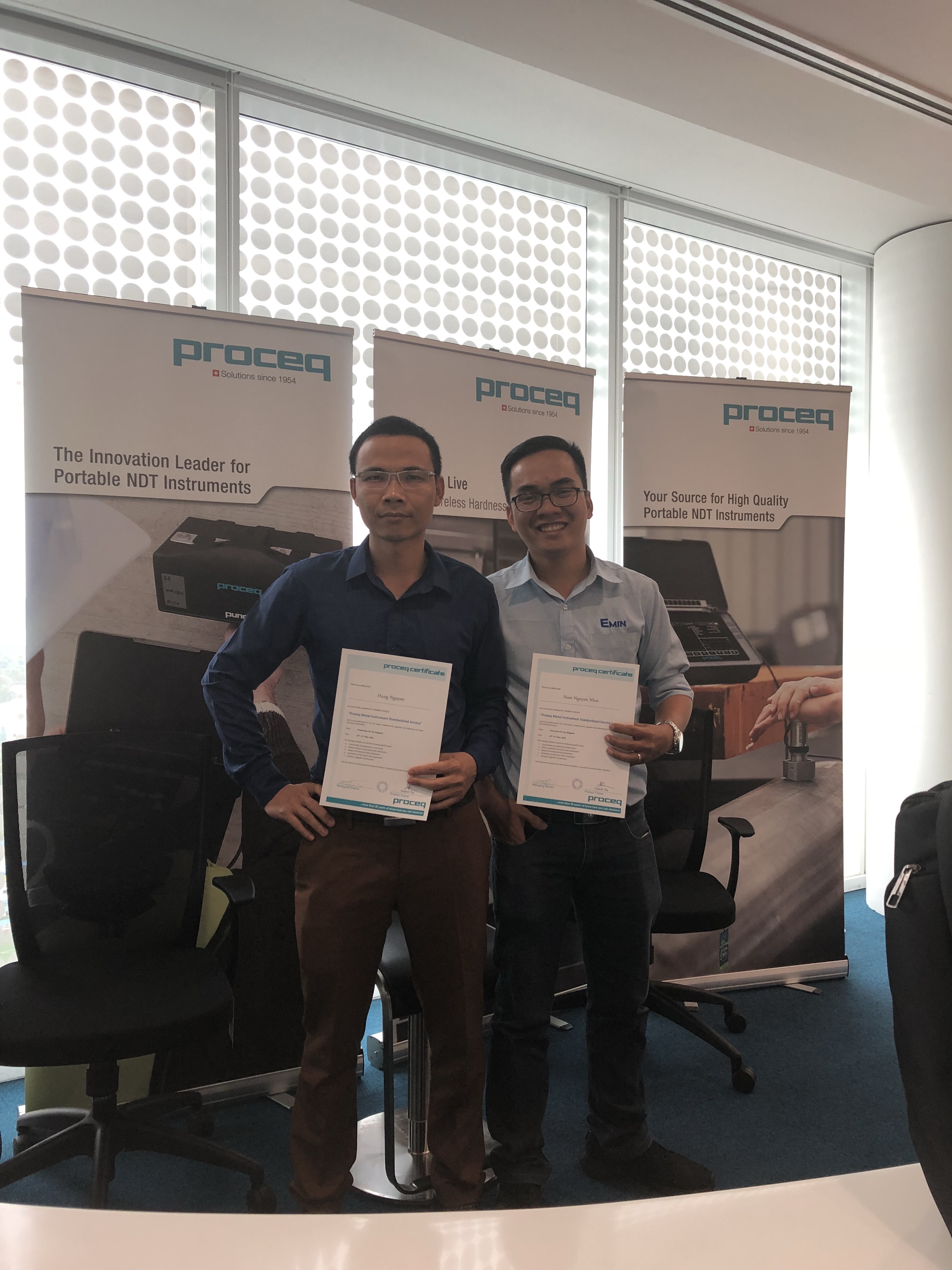
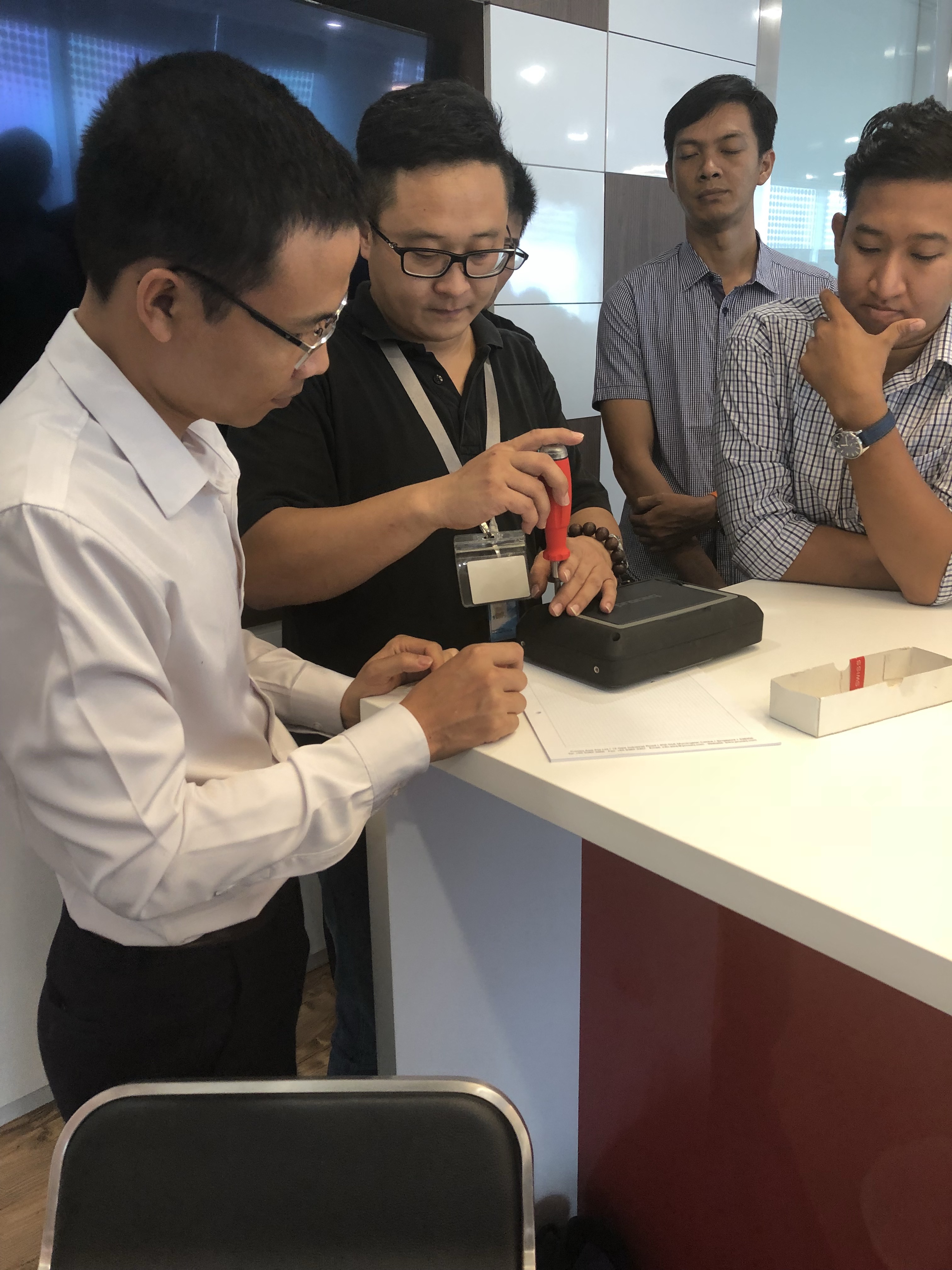
EMIN completed training module "Proceq Metal Instrument Standardized Service" in Singapoore

12/05/y 09:37:28

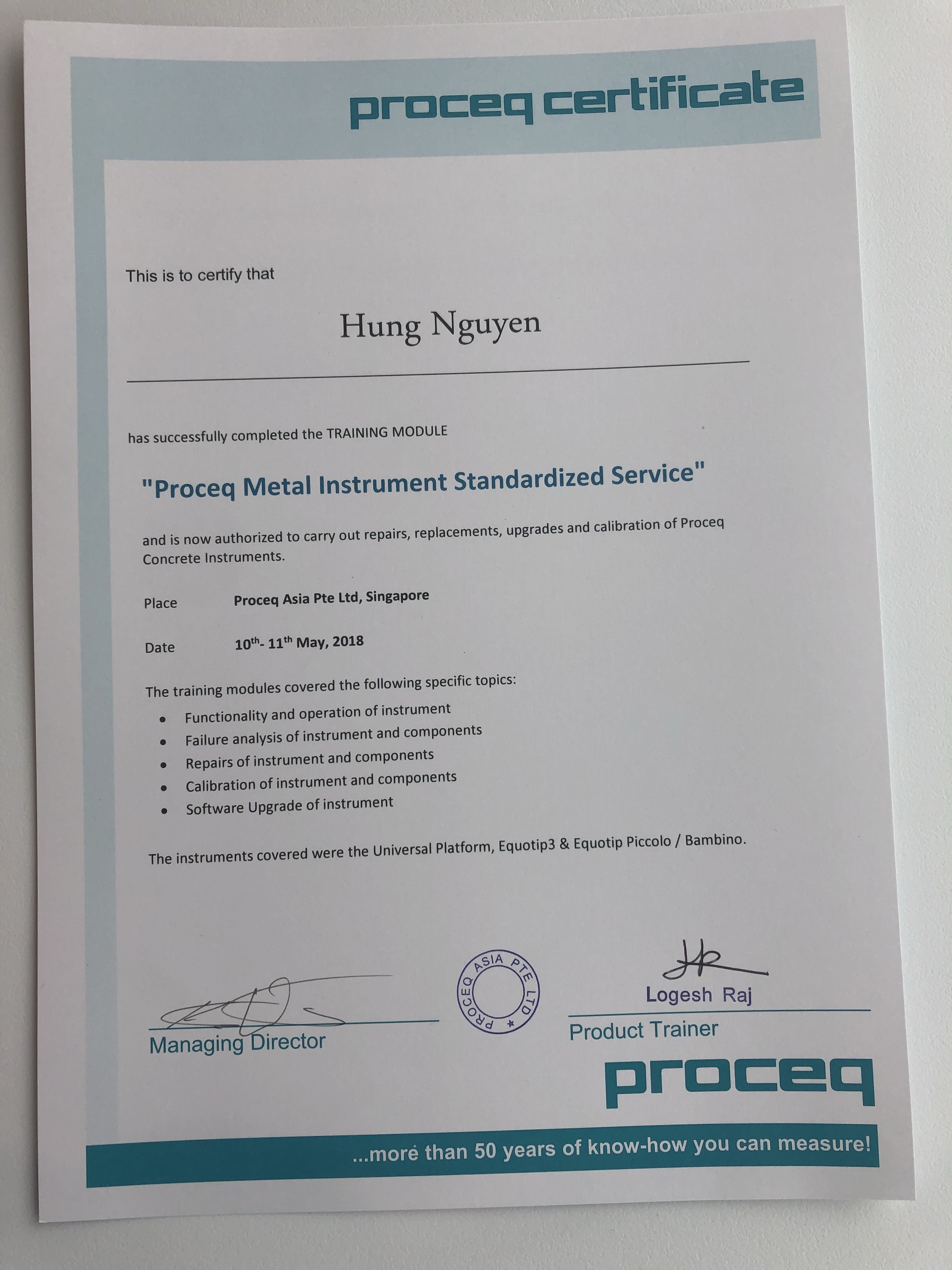
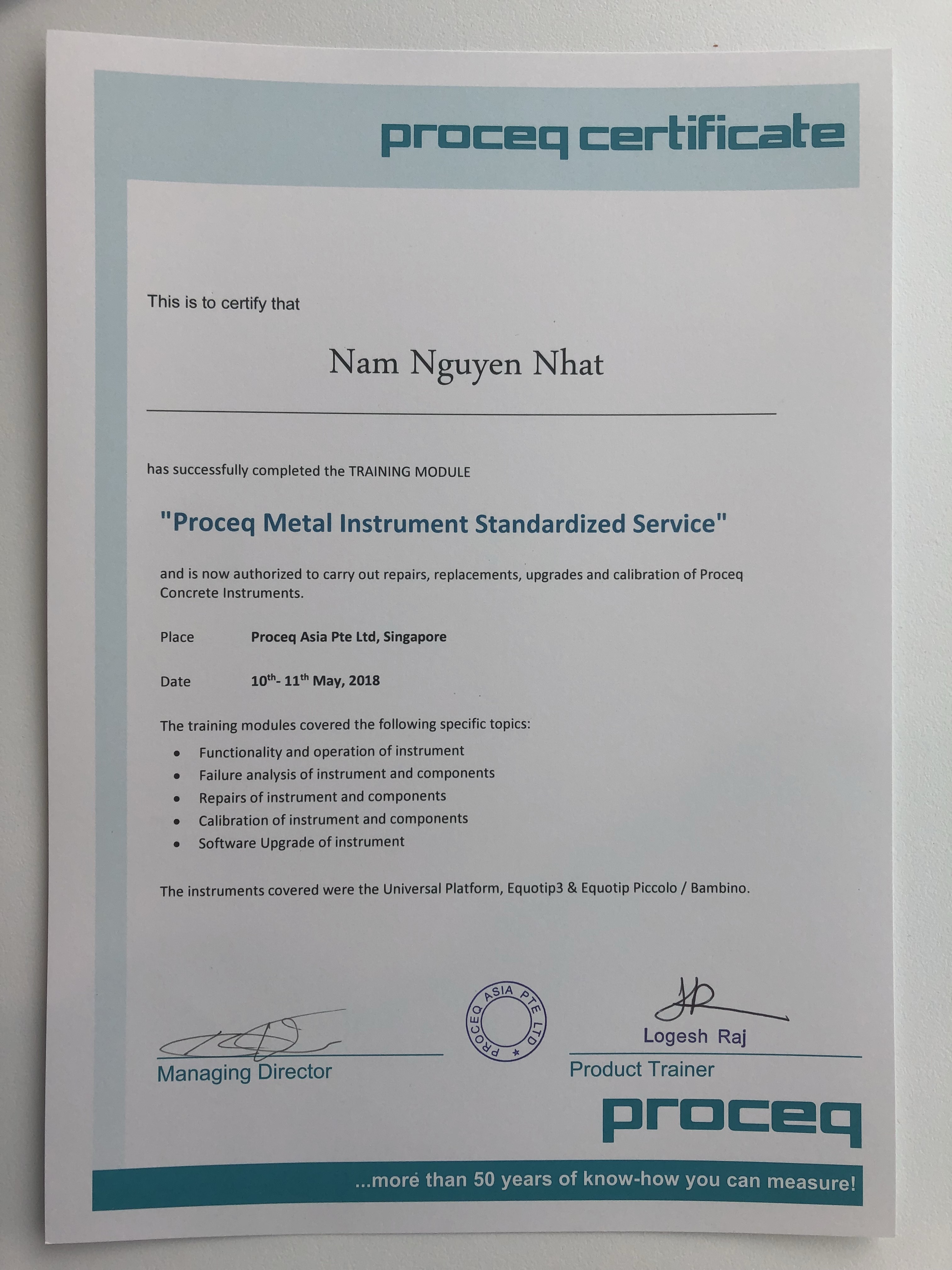
Recently, EMIN has successfully completed the TRAINING MODULE "Proceq Metal Instrument Standardized Service" and is now authorized to carry out repairs, r

Recently, EMIN has successfully completed the TRAINING MODULE
"Proceq Metal Instrument Standardized Service"
and is now authorized to carry out repairs, replacements, upgrades and calibration of Proceq Concrete Instrument
Place: Proceq Asia Pte Ltd, Singapore
Date: 10th 11th May, 2018

The training modules covered the following specific topics:
• Functionality and operation of instrument
• Failure analysis of instrument and components
• Repairs of instrument and components
• Calibration of instrument and components
• Software Upgrade of instrument
The instruments covered were the Universal Platform, Equotip3 & Equotip Piccolo / Bambino.

ຂ່າວທີ່ກ່ຽວຂ້ອງ

Capacities of laboratory centrifuge tubes
20/07/y 13:55:40

Tubes with capacities of 0.2 ml, 1.5 ml, 15 ml, or 50 ml are commonly found in laboratories, yet each type is associated with specific sample categories and equipment configurations. DNA and RNA samples typically require small-volume microtubes; blood and cell samples often utilize 5 ml or 15 ml tubes; while large-volume processing workflows may require tubes of 50 ml, 100 ml, or greater capacity

Why do brushless centrifuges generate less heat?
18/07/y 09:54:09

High-speed centrifugation over extended periods generates heat. For biological samples such as blood, plasma, proteins, or nucleic acids, an unexpected rise in temperature can affect processing results. Consequently, the motor becomes a key factor to consider, alongside rotational speed and rotor capacity

What is the difference between oil-lubricated vacuum pumps and oil-free diaphragm pumps?
17/07/y 10:05:46

While both generate a vacuum, oil-lubricated pumps and oil-free diaphragm pumps differ significantly in their operating principles, advantages, and applications. Oil-lubricated pumps are typically chosen when a system requires a deep vacuum and strong suction power, whereas diaphragm pumps are preferred for laboratories, chemical processes, and environments where oil vapors must be avoided

ຕິດຕາມຂ່າວສານ ແລະ ຂໍ້ສະເໜີ

ຮັບສ່ວນຫຼຸດພິເສດຕາມປະລິມານ, ອັບເດດລາຄາຂາຍສົ່ງ ແລະ ການແຈ້ງເຕືອນສິນຄ້າໃໝ່ສົ່ງກົງເຖິງອິນບັອກຂອງທ່ານ.

ໂດຍການສະໝັກສະມາຊິກ, ທ່ານຍອມຮັບ ເງື່ອນໄຂການໃຫ້ບໍລິການ ແລະ ນະໂຍບາຍຄວາມເປັນສ່ວນຕົວ ຂອງພວກເຮົາ.

ການຊ່ວຍເຫຼືໍາດ່ວນ

ເຂົ້າເຖິງຜູ້ຊ່ຽວຊານທີ່ໄດ້ຮັບການຢັ້ງຢືນຂອງພວກເຮົາໂດຍກົງ