ອຸປະກອນສຳລັບສຳນັກງານ
Day-to-day operations often depend on small items that keep documents organized, workstations functional, and routine handling tasks efficient. In a business environment, office supplies are not just consumables; they support filing, labeling, printing, packaging, and general administrative workflow across offices, laboratories, warehouses, and technical departments.
For B2B buyers, the right category structure matters because office supply needs are usually broader than stationery alone. They can include printing devices, adhesive materials, labeling solutions for traceability, and practical consumables used in maintenance or document handling. This category brings those needs together in a way that helps procurement teams source compatible products for everyday use.

What businesses typically expect from office supplies
In many organizations, office supplies must do more than fill shelves. They need to support consistent document output, clear identification of materials, and smooth internal processes. That is especially important in environments where paperwork, sample tracking, shipping labels, or filing systems are part of daily operations.
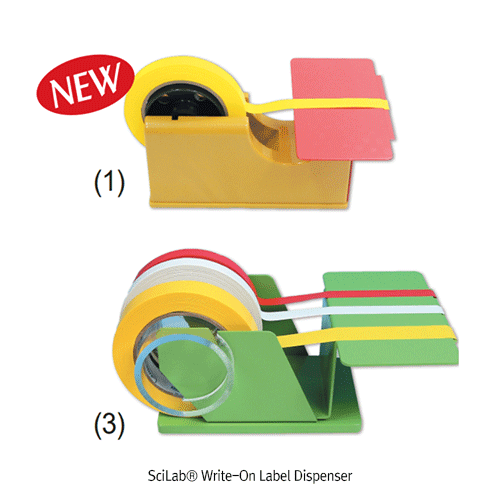
A practical office supply range may therefore include standard consumables as well as more specialized items. Examples in this category include adhesive tape, hot glue sticks, reagent labels, and desktop printing equipment. Together, these products help users manage information, attach or seal materials, and maintain orderly work areas without interrupting routine tasks.
Product groups found in this category
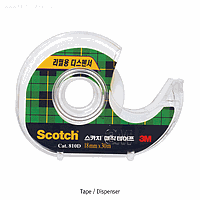
This category covers a mix of general-purpose and application-specific items. For example, the 3M 3M.02.6004 Tape 810D 18x30 is representative of adhesive products used for document handling, light packaging, and basic office organization. Tape remains one of the most common supplies because it supports quick fixes, sealing, mounting, and labeling support across departments.
For assembly or repair tasks around the workplace, the Proskit GK-611160 Hot Glue Stick illustrates another type of support item. It is not a primary machine by itself, but it plays an important role in the wider supply ecosystem by enabling bonding and minor maintenance tasks when used with suitable glue equipment. In this way, office supplies can extend beyond paperwork into practical workstation support.
Printing-related products also fit naturally into this category. The HP LaserJet Pro 107A Laser Printer is an example of hardware used for everyday document output, reports, forms, and internal records. For buyers evaluating document workflows, it may also be useful to explore related equipment such as banding machines when printed materials need to be grouped or prepared for distribution.
Labeling and identification in technical workplaces
One of the more specialized areas within office supplies is labeling. In laboratories, industrial offices, and regulated storage environments, labels are essential for identification, traceability, and safer handling of materials. This is where products such as DaiHan Wisd® reagent adhesive labels become relevant, including versions intended for chemicals such as methanol, ethanol, acetonitrile, n-hexane, or tetrahydrofuran.
These label products should be understood as task-specific consumables rather than generic stationery. Their role is to help users mark containers clearly and maintain organized handling procedures. Businesses that work with documentation-heavy or sample-based processes often benefit from keeping such labeling supplies aligned with broader filing and printing needs.
How to choose office supplies for a B2B purchasing list
A good purchasing decision starts with the actual workflow. If the main requirement is document generation, printer selection and print volume will matter more than adhesive consumables. If the focus is storage, organization, or sample handling, labeling materials and tape may be the priority. For maintenance or quick assembly work, adhesive support products such as glue sticks become more relevant.
Buyers should also consider the operating environment. Offices, labs, service counters, and technical workshops do not use supplies in the same way. A procurement list for a laboratory or production support office may include color-coded labels and durable adhesives, while an administrative office may focus more on print output and general-use consumables. When purchasing spans multiple teams, grouping needs by use case is often more effective than buying by item name alone.
Brand preference can also be a factor in standardization. Well-known names in this category include HP, Proskit, 3M, and DaiHan, each aligning with different parts of the office supply landscape such as printing, adhesives, and technical labels. The most suitable option depends on whether the goal is routine office administration, document output, or more specialized identification tasks.
Office supplies as part of a wider workflow
Many companies treat office supplies as low-value items, but their impact on workflow is often larger than expected. Missing labels can slow sample handling, poor print support can delay approvals, and the absence of basic adhesive materials can interrupt simple packaging or repair tasks. For this reason, supply planning should be tied to how information and materials move through the business.
In some cases, office supplies also connect directly with adjacent categories. For example, businesses handling records, bundled printouts, or cash-related documentation may also need currency binding machines or similar document-handling equipment. Looking at supplies within the broader process context can help reduce fragmented purchasing and improve day-to-day readiness.
Examples of applications across departments
Administrative teams typically use these products for printing forms, archiving documents, and routine desk operations. Warehousing and logistics teams may rely more on labels, tape, and print output for package identification, dispatch paperwork, or inventory-related documentation. Technical support and laboratory users often need clearer item marking and more application-specific labels for controlled handling.
This variety is why a category like office supplies should not be viewed too narrowly. It serves multiple departments with different operating requirements, from front-office paperwork to specialized identification tasks. A well-structured supply list helps ensure that common items and niche consumables are both available where they are needed.
Building a more practical office supply inventory
For procurement teams, the most effective approach is usually to separate supplies into functional groups: printing, labeling, adhesive products, and routine desk consumables. That makes replenishment easier and helps avoid overstocking items that are rarely used while still protecting business continuity for frequently consumed materials.
If your organization manages document flow, chemical or sample identification, or basic office maintenance, this category provides a useful starting point for sourcing the right mix of products. By selecting office supplies according to actual usage rather than broad assumptions, buyers can support cleaner workflows, better organization, and more reliable day-to-day operations.
ຮັບສ່ວນຫຼຸດພິເສດຕາມປະລິມານ, ອັບເດດລາຄາຂາຍສົ່ງ ແລະ ການແຈ້ງເຕືອນສິນຄ້າໃໝ່ສົ່ງກົງເຖິງອິນບັອກຂອງທ່ານ.
ໂດຍການສະໝັກສະມາຊິກ, ທ່ານຍອມຮັບ ເງື່ອນໄຂການໃຫ້ບໍລິການ ແລະ ນະໂຍບາຍຄວາມເປັນສ່ວນຕົວ ຂອງພວກເຮົາ.
ເຂົ້າເຖິງຜູ້ຊ່ຽວຊານທີ່ໄດ້ຮັບການຢັ້ງຢືນຂອງພວກເຮົາໂດຍກົງ