Glass must often deliver more than physical strength and dimensional consistency. Its optical appearance can influence visibility, light use, visual comfort, and the suitability of a finished product for its intended application. For this reason, haze meters for glass are useful tools in industrial quality control and material development.
These instruments are used to evaluate two closely related optical characteristics: haze and light transmittance. Reviewing both values gives manufacturers and researchers a practical basis for comparing glass samples, monitoring production consistency, and investigating the effects of formulations or process conditions.
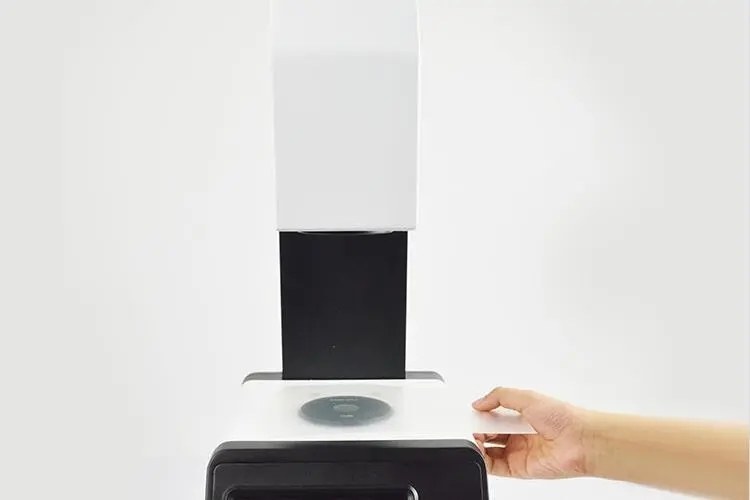
What haze and light transmittance indicate
Haze describes a cloudy appearance in transparent or semi-transparent materials caused by scattered light. It is expressed as the proportion of diffused light relative to the light passing through the material. When haze is high, a glass sample may appear less clear because more light is scattered.
Light transmittance describes the proportion of luminous flux that passes through a material compared with the incident luminous flux. Together, haze and transmittance help characterize how glass handles visible light. They should be considered alongside the needs of the end application rather than as isolated values.
A haze meter provides measurement data that can make these optical properties easier to evaluate consistently. This supports decisions throughout manufacturing, from incoming material checks and process monitoring to final inspection and product comparison.
Using haze meters in glass quality control
In a production environment, visual inspection alone may not be enough to distinguish small changes in optical performance. Measured haze and transmittance data provide a repeatable way to compare samples produced at different times or under different conditions.
For example, a manufacturer can evaluate glass from separate production batches and review whether the measured optical characteristics remain aligned with internal requirements. If a variation is identified, the data can help focus further investigation on material selection, processing conditions, or surface treatment results.
This measurement approach is also relevant when glass is being developed for a specific visual purpose. Clear glass, translucent glass, and glass used in demanding optical applications can have different expectations. The value of the measurement is not simply identifying a low or high reading, but determining whether the result is appropriate for the product’s intended function.
Architectural glass applications
Architectural glass can affect the clarity of views and the amount of natural light perceived in an interior. For curtain walls and other glazing applications, haze and transmittance measurements help manufacturers evaluate the optical quality of candidate glass products before they are selected or supplied.
Glass with suitable optical properties can support a clear visual result and a more consistent appearance across installed panels. Measuring haze is especially helpful when comparing samples where cloudiness or light scattering may be difficult to assess reliably by eye alone.
For architectural projects, measurement data can therefore support product quality checks and help manufacturers communicate internally about whether glass meets the optical expectations defined for a particular design or use case.
Automotive glass evaluation
Automotive windshields and window glass require careful optical evaluation because driver visibility is a central concern. Good light transmittance supports a clear field of view, while haze needs to be controlled at a level appropriate for reducing interference from scattered light.
Haze meters can provide data for assessing automotive glass during development and production. They may also be used to evaluate the effect of anti-fog treatments by comparing the optical characteristics of treated glass samples. This creates a structured way to review whether a treatment changes the measured haze or transmittance of the glass.
Optical glass and research work
Optical glass used in camera lenses, telescopes, microscopes, and related systems may have especially demanding requirements for optical clarity. Small changes in haze can affect the perceived clarity and imaging performance of an optical system. Consistent measurement helps manufacturers compare materials and maintain tighter control over optical quality.
Beyond routine inspection, haze meters support research and development. Researchers can measure glass made with different formulas or process conditions, compare the resulting haze and transmittance values, and use the findings to guide process optimization. This can assist the development of glass materials designed for particular optical properties.
Building a practical measurement process
To make haze measurement useful, manufacturers should define which glass products are being evaluated, which optical characteristics matter for each application, and how results will be compared over time. Measurements can then become part of a broader quality-control process rather than a standalone activity.
By providing objective haze and light transmittance data, haze meters help glass producers evaluate optical consistency from production through research and development. Their role is particularly relevant wherever clarity, light transmission, and control of scattered light influence the performance or appearance of the finished glass product.