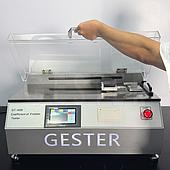
ISO 12947 is a series of textile test standards covering the determination of fabric abrasion resistance by the Martindale method. It provides a structured approach for laboratories and quality-control teams that need to evaluate how a fabric responds to repeated rubbing under defined test conditions.
Rather than relying only on visual judgment before use, Martindale abrasion testing creates a repeatable basis for comparing textile samples. The resulting observations can support material selection, product development, incoming inspection, and ongoing quality assessment. The applicable part of the ISO 12947 series depends on the type of result required.
What Is ISO 12947?
ISO 12947 addresses the determination of abrasion resistance of fabrics using the Martindale method. The series is divided into four parts, each addressing a different aspect of the test process or assessment. Reading the parts together helps users distinguish between the test apparatus, specimen failure, mass change, and visible changes after abrasion.
The four parts are:
- ISO 12947-1: Martindale abrasion testing apparatus
- ISO 12947-2: Determination of specimen breakdown
- ISO 12947-3: Determination of mass loss
- ISO 12947-4: Assessment of appearance change
These parts do not represent interchangeable results. A material may be assessed for breakdown, mass loss, or appearance change according to the relevant test objective. Reports should therefore state clearly which assessment was used.
How Martindale Abrasion Testing Works
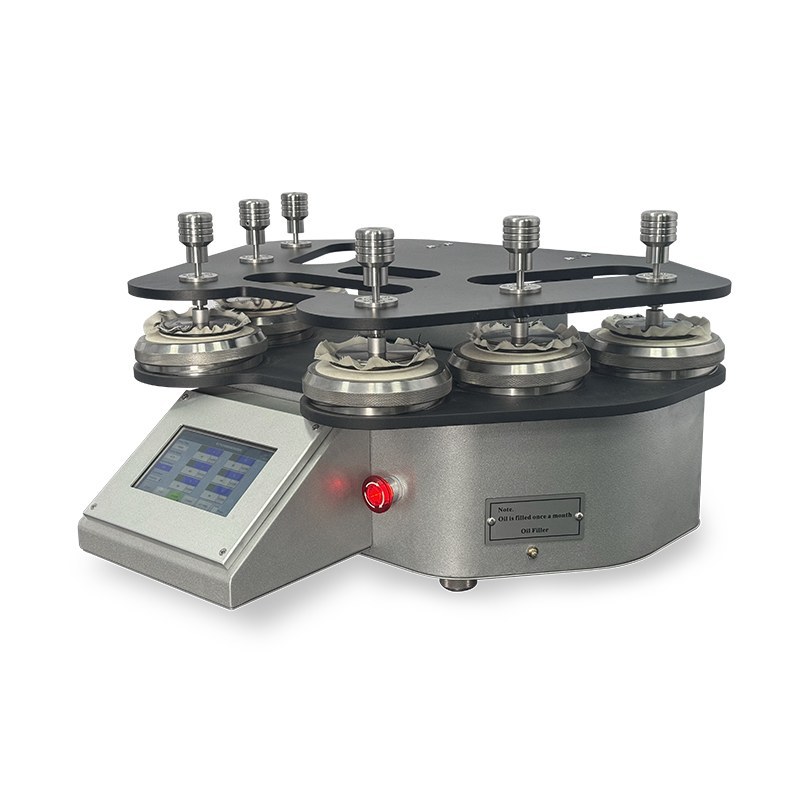
A Martindale abrasion tester is designed to simulate the rubbing and friction that fabrics can experience in use. A specimen is mounted in the apparatus and rubbed against an abrasive surface under specified pressure. The rubbing action follows a defined, changing path commonly described as a Lissajous figure.
As the test proceeds, the specimen surface may show wear, lose material, or change in appearance. The observed result is then assessed using the relevant part of ISO 12947. This controlled procedure makes it possible to compare samples tested under the same specified conditions.
A Martindale abrasion and pilling tester may be used for different test configurations. The source information describes GESTER equipment with built-in modes including abrasion and pilling configurations, allowing a selected mode to be changed without manual part changes. The appropriate configuration should always be selected to match the required procedure and test purpose.
ISO 12947-1: Martindale Abrasion Testing Apparatus
ISO 12947-1 concerns the apparatus used for the Martindale method. The specimen is placed on the test platform and subjected to the specified rubbing motion and pressure. Consistent apparatus operation is important because abrasion results depend on controlled contact between the specimen and abrasive material.
During testing, users can observe the development of wear on the fabric. Depending on the assessment method, the test may involve recording characteristics such as the amount of wear, wear depth, or worn area. These observations provide context for evaluating abrasion resistance and comparing textile materials.
ISO 12947-2: Determination of Specimen Breakdown
ISO 12947-2 focuses on determining specimen breakdown through the Martindale procedure. The fabric is rubbed with a standard abrasive cloth under specified pressure to reproduce repeated friction. The assessment is concerned with when the tested specimen reaches the defined breakdown condition.
This approach is useful when the key question is how the fabric surface or structure withstands continued abrasion. To keep comparisons meaningful, test teams should use the relevant procedure consistently for every sample in the comparison group.
ISO 12947-3: Determination of Mass Loss
ISO 12947-3 evaluates abrasion resistance by measuring the specimen's mass loss after a specified number of cycles. After the abrasion stage, the reduction in sample mass is determined. Mass loss represents material removed from the specimen during rubbing.
When samples are tested under comparable conditions, lower mass loss generally indicates better resistance to abrasion. However, the mass-loss value should be interpreted within the stated test conditions and alongside the fabric type, because different textiles can respond to abrasion in different ways.
ISO 12947-4: Assessment of Appearance Change
ISO 12947-4 addresses visible changes in a fabric after abrasion testing. The assessment considers surface abrasion marks and changes that may affect color, luster, texture, or overall surface appearance. This is particularly relevant when retaining the visual quality of a textile is an important requirement.
The degree and frequency of visible changes can be used to classify abrasion performance. A higher assessment grade generally corresponds to better abrasion resistance under the applicable assessment method. Since appearance is evaluated after the controlled rubbing process, careful observation and consistent assessment criteria are essential.
Choosing the Right ISO 12947 Assessment
Before testing, define the decision that the result needs to support. Use the apparatus requirements in ISO 12947-1 as the basis for the test setup. Then select the assessment route that matches the quality concern: specimen breakdown for structural failure, mass loss for material reduction, or appearance change for visible surface wear.
Clear records should identify the sample, selected ISO 12947 part, number of cycles where applicable, and the observed or measured result. This makes the outcome more useful for comparing materials and communicating quality requirements across laboratory and production teams.