Joint sealant color matching is an important part of tile joint treatment. The color chosen for the joints can influence how uniform a tiled surface appears and how well it fits the surrounding decorative scheme. When the joint color is close to the tile color or intentionally coordinated with it, the finished area can present a smoother, more considered visual result.
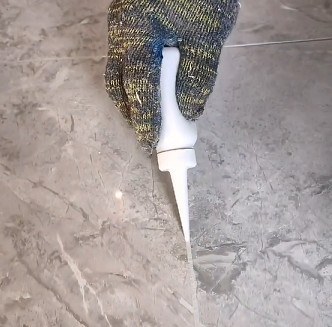
Why joint sealant color matching matters
Tile joints are highly visible across floors, walls, and other tiled surfaces. Their appearance can draw attention to the layout of the tiles, particularly when the grout color differs substantially from the tile. Joint treatment is therefore not only a functional stage of installation; it is also part of the final decorative finish.
The source material discusses epoxy colored sand as a commonly used option for mosaic joint treatment. It notes that this material can be mixed with color at the construction site, allowing the joint treatment to be matched with customer requirements and the decoration style. The goal is to help the filled joints and tiles look as visually continuous as possible.
Common challenges in tile grout color matching
Achieving a suitable grout color is not always straightforward. Color matching requires practice, an understanding of color differences, and repeated adjustment of the mix. For teams handling multiple projects or customer requests, manual matching can become a time-consuming step in the overall joint sealant workflow.
Traditional adjustment may involve preparing several test mixes before reaching a color that is close to the tile. This approach can use additional material during the trial stage and can make it harder to provide an immediate answer when a customer requests a specific shade on site.
Color perception may also vary with the surrounding tiles and the decorative environment. Rather than selecting a color in isolation, installers need to consider the desired relationship between the joint sealant and the tiled surface. Some projects call for a close color match, while others may deliberately use contrast as part of the design.
A dedicated workflow with the CaiLu instrument
The source describes CaiLu as a color matching instrument developed for the joint sealant color matching field. Its stated purpose is to support a faster process for identifying a color formula for joint sealant work. According to the source, the instrument works with a CaiLu mini-program that calculates a color formula, which can then be used as the basis for mixing.
The source states that this workflow can reduce a color matching task from an average of one hour to 30 seconds. Actual results can depend on the material, the target color, and the work process, but the underlying benefit is clear: reducing repeated manual adjustment may help a team respond more efficiently during installation.
Potential benefits for on-site joint treatment
- Faster color decisions: A calculated formula can help shorten the time spent adjusting color by trial and error.
- Less material used in testing: Starting from a formula may reduce the need for repeated preliminary mixes.
- Immediate customer review: On-site adjustment can help customers see a proposed joint sealant effect during the decision process.
- More consistent workflow: A dedicated color matching process can provide a practical reference point for teams handling tile joint treatment.
Using color matching as part of the finishing process
Joint sealant color matching should be considered alongside tile selection, joint layout, and the intended decorative style. A color matching instrument does not replace careful preparation or application, but it can support the color-selection stage by providing a more structured starting point for the mix.
For installers and facility teams, the practical objective is to make color decisions with less uncertainty while keeping the finished tiled surface aligned with customer expectations. Where site conditions require prompt adjustment, a dedicated tool such as CaiLu can provide a more efficient route from target color to usable joint sealant formula.