For full functionality of this site it is necessary to enable JavaScript.
EMIN.VN
0

When to test breakdown voltage? Practical experience from lab to factory

13/11/y 08:49:15

Breakdown voltage represents the limit to which a material can maintain its insulating ability before a discharge occurs. When this value is reduced, the insulation has lost its stability and there is a risk of short circuit, leakage or equipment failure.

Early inspection helps identify the level of aging, manufacturing deviations or environmental influences, especially in parts working in conditions of heat, humidity, or high electrical loads.

The most obvious practical situations when measuring breakdown voltage

- Production: evaluation of input materials, inspection of components after assembly and before shipment.

- Research: determination of dielectric properties of new materials, comparison of results before and after environmental tests.

- Equipment maintenance: inspection of insulation condition of motors, transformers, capacitors, switching devices or old cables.

Common errors and how to fix them

This measurement is prone to error if not performed correctly. Off-center electrode alignment causes uneven field distribution, leading to premature discharge. Poor grounding of the cable or a humid test environment can cause leakage currents on the surface of the sample. Contaminated or greasy samples can also give lower results than the actual results.

The solution lies in controlling the test conditions: keeping the surface dry and clean, adjusting the electrode gap to a stable level, choosing a consistent voltage ramp rate. In addition, the device needs to be periodically calibrated, because errors in the high-voltage measuring circuit can make the entire result invalid.

Read more about breakdown voltage to understand better: If you don't know about breakdown voltage then here is the answer for you.

When to repeat the measurement. Reasonable inspection schedule

Not all materials require frequent testing, but when operating conditions are severe, it is advisable to establish a clear inspection cycle. For production lines, batch testing is common, with each batch representing a shift or batch of material. For equipment operating continuously, re-testing is usually performed after each maintenance period or when abnormalities such as leaks, sparks, or changes in surface temperature are detected.

The results of each measurement should be recorded to monitor the decreasing trend of the breakdown voltage. When the value is found to be decreasing rapidly, it is the basis for assessing the aging level and planning for replacement before a failure occurs. 

Breakdown voltage testing is not a mandatory operation in every process, but is a key step in understanding the insulation condition of electrical materials and equipment. When the measurement data is collected and managed properly, it becomes the basis for maintaining the safety and reliability of the entire electrical system.

ຂ່າວທີ່ກ່ຽວຂ້ອງ

DC, Pulsed DC, or RF: Selecting a Plasma Source Based on Material and Process
23/11/y 16:55:48

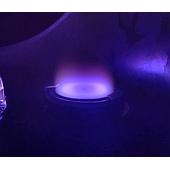
In sputtering, positive ions (typically Argon) are accelerated toward a target to bombard and dislodge material. A stable ion current can only be maintained if electric charge does not accumulate on the target surface. The simulation below illustrates this principle qualitatively: the blue trace follows the waveform, while the amber-colored bar represents the level of charge accumulated on the target surface

Errors in Measuring Rebar Diameter within Concrete
23/11/y 13:50:41

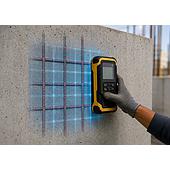
In the quality assessment of reinforced concrete structures using non-destructive testing (NDT) methods, determining the diameter (d) of reinforcing bars directly on a completed structural element often results in significantly greater margins of error compared to measuring the thickness of the concrete cover. If the identified diameter deviates by one or two standard size increments (for example, if a D16 bar is misidentified as a D20 or D12), the entire analysis—including the calculation of load-bearing capacity and the verification of the structural design—loses its reliability.

Assessment and Retrofitting of Reinforced Concrete Structures After Fire Exposure in Accordance with TCVN 14104:2025
23/11/y 11:48:42

In accordance with the principles for the preservation and post-fire structural assessment stipulated in TCVN 14104:2025, the inspection entity must accurately quantify the extent of cross-sectional degradation in heat-exposed concrete, the presence of subsurface delamination, and the condition of the internal steel reinforcement before developing a strengthening plan.

Hướng dẫn đo nghiệm thu chiều dày lớp bê tông bảo vệ đúng chuẩn TCVN 9356:2012 & Luật Xây dựng 2025
21/11/y 10:00:27

Để kết quả đo đạt độ tin cậy pháp lý khi làm hồ sơ hoàn công và nghiệm thu với tư vấn giám sát, kỹ sư hiện trường và thí nghiệm viên phòng LAS-XD cần làm chủ quy trình vận hành máy đo chiều dày lớp bê tông bảo vệ, kiểm soát các yếu tố gây nhiễu từ trường và xử lý số liệu đúng quy chuẩn.

ຕິດຕາມຂ່າວສານ ແລະ ຂໍ້ສະເໜີ

ຮັບສ່ວນຫຼຸດພິເສດຕາມປະລິມານ, ອັບເດດລາຄາຂາຍສົ່ງ ແລະ ການແຈ້ງເຕືອນສິນຄ້າໃໝ່ສົ່ງກົງເຖິງອິນບັອກຂອງທ່ານ.

ໂດຍການສະໝັກສະມາຊິກ, ທ່ານຍອມຮັບ ເງື່ອນໄຂການໃຫ້ບໍລິການ ແລະ ນະໂຍບາຍຄວາມເປັນສ່ວນຕົວ ຂອງພວກເຮົາ.

ການຊ່ວຍເຫຼືໍາດ່ວນ

ເຂົ້າເຖິງຜູ້ຊ່ຽວຊານທີ່ໄດ້ຮັບການຢັ້ງຢືນຂອງພວກເຮົາໂດຍກົງ