
For full functionality of this site it is necessary to enable JavaScript.
EMIN.VN
0

How harmful is tin smoke? Application of soldering fume hood

09/08/y 11:01:35

Have you ever seen clouds of white smoke rising from where welders are working? That is soldering smoke. Inhaling this smoke for a long time can cause many respiratory diseases, even lung cancer. Faced with this urgent problem, the soldering fume hood was born. So how does the machine operate? Let's find out in the article below!

What is soldering fume?

When welders work, they use very high temperatures to melt tin and join metal parts together. This process creates clouds of white smoke, filled with tiny particles of tin dust and other chemicals. 
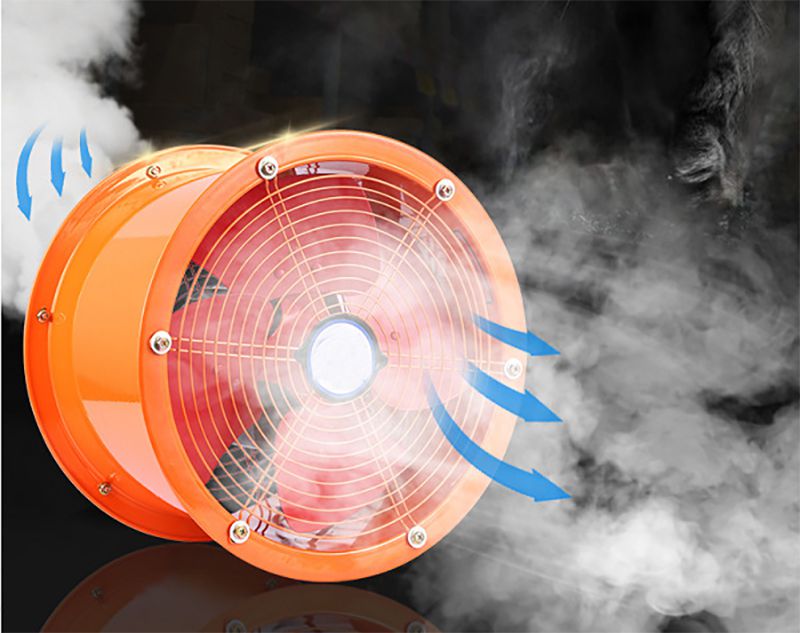
Imagine that when you light a candle, smoke will rise, carrying melted wax particles. The soldering process is similar, the high temperature causes the tin to evaporate and form tiny dust particles, along with other chemicals that mix together to form smoke. That is why soldering smoke is not only white but also has a characteristic smell.

Harmful effects of soldering fumes?

Tin dust is microscopic particles produced from the soldering process, which is a potential threat to human health. When inhaled, tin dust will enter the lungs, causing respiratory diseases and can spread to other organs, causing serious damage. 
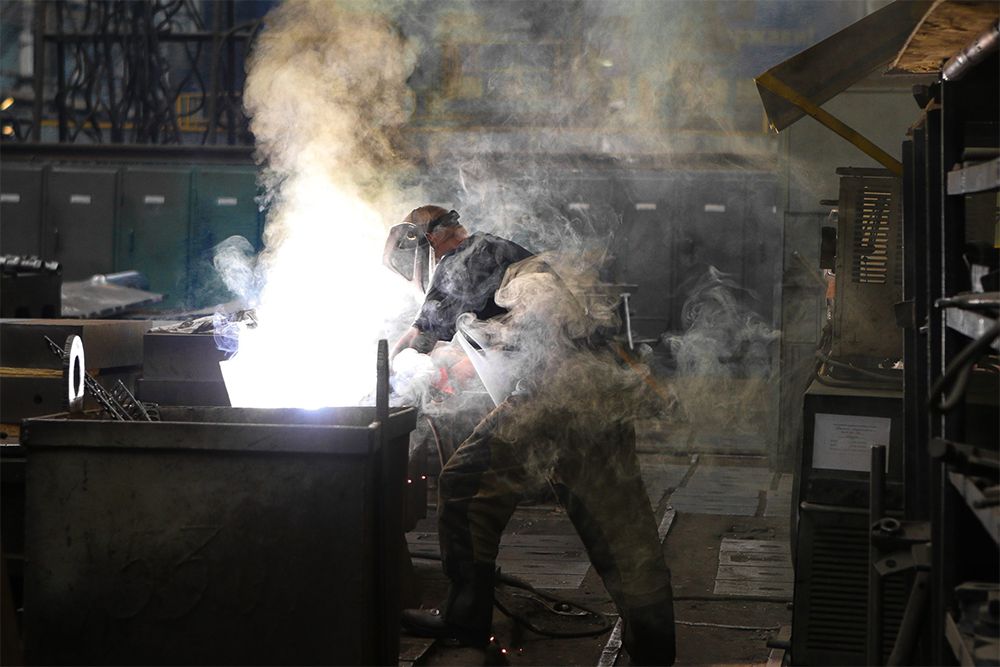
In particular, organic tin is highly toxic, easily entering the body through many ways and causing dangerous diseases. Long-term exposure to tin dust can lead to many serious health consequences, affecting quality of life and reducing life expectancy. 

Therefore, the use of smoke filtering devices and compliance with safety measures are extremely important to protect the health of workers and the working environment.

The role of the soldering iron?

Are you curious how this machine works? Actually, it works quite simply. The machine will create a strong suction force, sucking all the toxic smoke inside. Inside the machine, super clean filter layers will retain all dirt and toxic substances, returning fresh air to the workspace.

Welding fume extractors operate on the principle of creating a low pressure area at the location where the smoke arises, thereby sucking all the welding fumes into the duct system. Smoke will pass through filter layers to remove dust and other pollutants. Depending on the type of machine, the filter layers can be HEPA filters, activated carbon or electrostatic filter layers.

Welding fume hoods are divided into two main types:

- Mobile welding fume extractor: Compact in size, easy to move, often used in small factories or mobile welding jobs. This type of machine often uses HEPA filters to filter dust.

- Fixed welding fume extractor: Has a large capacity, permanently installed in one location, often used in large production factories. This type of machine often uses electrostatic filtration technology to remove dust with high efficiency.

Benefit:

Health protection: Minimize the risk of respiratory diseases such as bronchitis, asthma, and lung cancer.


Increase labor productivity: A clean, airy working environment helps workers work more effectively.


Environmental protection: Minimize air pollution.


Regulatory compliance: Ensure compliance with regulations on labor safety and environmental protection.
ຂ່າວທີ່ກ່ຽວຂ້ອງ

The scent of new wood in a newly handed-over apartment: How to measure and address formaldehyde (HCHO) levels before moving in
14/11/y 10:28:19

Many people refer to the pungent, acrid odor that emerges when opening a new cabinet as the "smell of new wood," assuming it will simply dissipate after a few days. In reality, however, what is being released could well be formaldehyde—a substance originating from the adhesives used in the pressed-wood panels—and our sense of smell is not a reliable enough gauge to determine the concentration levels present

Guide to Selecting a TCLP Toxicity Characteristic Leaching Procedure Shaker Configuration in Compliance with QCVN 07:2025/BNNMT and TCVN 9239:2012
13/11/y 17:23:39

Regulation QCVN 07:2025/BNNMT (replacing QCVN 07:2009/BTNMT and QCVN 50:2013/BTNMT) specifies hazardous waste and sludge thresholds based on leachate concentrations. To ensure that analytical results for heavy metals and organic compounds are accepted during ISO/IEC 17025 or VIMCERTS assessments, laboratories must comply with the Toxicity Characteristic Leaching Procedure (TCLP) specified in TCVN 9239:2012, which is equivalent to US EPA Method 1311

Checking the Temperature of Paint and Coating Surfaces After Curing Using an Infrared Thermometer
13/11/y 16:11:22

An infrared thermometer allows surface temperature measurement without direct contact, making it suitable for products coming out of curing ovens or surfaces that are difficult to access. However, to ensure reliable results for production quality control, it is important to understand the measurement principle and the factors that affect measurements on painted and coated surfaces.

Crowded Gyms and Yoga Studios: How to Manage Air Quality to Retain Members
13/11/y 15:07:40

Around 6 or 7 in the evening, the gym becomes packed; the music drowns out the sound of heavy breathing, and the air conditioning runs at full blast behind closed doors. At first glance, everything seems fine: the room is cool, the lights are bright, and the equipment is state-of-the-art. Yet, after just a few sessions, regular members begin to feel a heavy-headedness and find themselves running out of breath more quickly eventually, they simply stop renewing their memberships. No one complains about the personal trainers or the exercise machines. The very thing that makes them feel stifled and drives them away is something entirely invisible: the air inside the room

ຕິດຕາມຂ່າວສານ ແລະ ຂໍ້ສະເໜີ

ຮັບສ່ວນຫຼຸດພິເສດຕາມປະລິມານ, ອັບເດດລາຄາຂາຍສົ່ງ ແລະ ການແຈ້ງເຕືອນສິນຄ້າໃໝ່ສົ່ງກົງເຖິງອິນບັອກຂອງທ່ານ.

ໂດຍການສະໝັກສະມາຊິກ, ທ່ານຍອມຮັບ ເງື່ອນໄຂການໃຫ້ບໍລິການ ແລະ ນະໂຍບາຍຄວາມເປັນສ່ວນຕົວ ຂອງພວກເຮົາ.

ການຊ່ວຍເຫຼືໍາດ່ວນ

ເຂົ້າເຖິງຜູ້ຊ່ຽວຊານທີ່ໄດ້ຮັບການຢັ້ງຢືນຂອງພວກເຮົາໂດຍກົງ