ເນື້ອຫານັບຈຳນວນ
Accurate manual counting still matters in many laboratory, inspection, and production workflows. When operators need a simple way to register repeated events, quantities, or process steps without adding unnecessary complexity, a Tally Counter remains a practical tool for fast and reliable counting.
On this category page, you can explore tally counters suited to routine counting tasks where visibility, ease of use, and straightforward operation are more important than advanced data logging. These devices are commonly used in labs, workshops, educational settings, and quality control environments where repeatable manual counting is part of the daily process.

Where tally counters are commonly used
A tally counter is designed for situations where a user needs to increase the count one step at a time as items, actions, or observations occur. This can include sample handling, unit counting, attendance checks, process verification, packaging control, or any repetitive workflow that benefits from a clear visual total.
In laboratory environments, tally counters are often chosen for basic counting tasks that do not require the specialized detection functions found in instruments such as an air particle counter or other automated systems. Their value lies in simplicity: they help reduce missed counts during repetitive work and allow operators to keep track of totals without relying on handwritten notes alone.
Why a simple counting device is still useful
Even in modern technical environments, not every counting job needs a sensor-based or software-driven solution. A manual or bench-style tally counter can be easier to deploy, quicker to train on, and more practical for temporary stations, low-volume operations, or procedures where direct operator input is preferred.
This category is especially relevant when the goal is clear incremental counting with minimal setup. For many users, that means a device that is easy to read, easy to reset when required, and suitable for repeated use throughout a work shift or test cycle.
Key points to consider when choosing a tally counter
The right device depends on how the count is performed in real use. If the counter will be used frequently throughout the day, readability and comfortable actuation are often more important than adding extra features. A display that can be checked quickly helps reduce operator error, especially in fast-paced or repetitive environments.
It is also useful to think about the counting range and the type of workflow involved. A model with a 4-digit display may be suitable for many standard tasks where totals need to remain visible and manageable. For applications with different counting methods or where the counted object is not entered manually, users may also compare this category with a particle counter or a more specialized counting device.
Representative product in this category
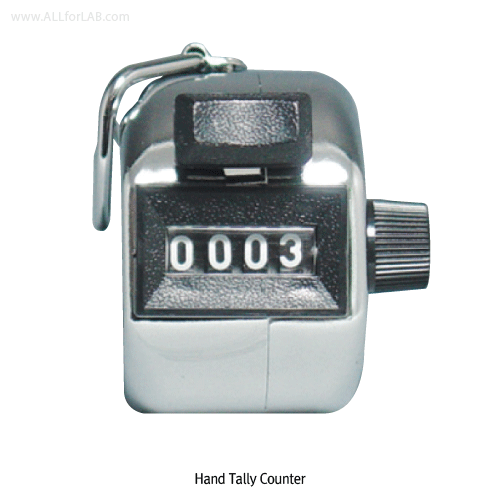
One example available in this range is the DaiHan 0483-015 Counter, Tally, 4-Digits. This type of product is suited to straightforward counting duties where the operator needs a visible running total and uncomplicated manual operation.
For buyers already standardizing around the same supplier, the DaiHan brand may be worth reviewing across broader laboratory equipment selections. In a category like this, the focus is less on complex instrument architecture and more on dependable day-to-day usability for repetitive counting work.
How tally counters fit within the broader counting workflow
Tally counters serve a different role from application-specific laboratory counters. They are typically selected when counting is driven by human observation or process handling rather than by optical, electronic, or analytical measurement. That makes them useful as standalone tools or as support devices alongside more advanced equipment.
For example, a tally counter may be used to track manual steps before samples move to a dedicated colony counter or another instrument designed for a specific test method. In this way, it becomes part of a practical workflow that balances simplicity at one stage and specialization at another.
Who this category is suitable for
This category is relevant for laboratories, schools, industrial operators, quality teams, and technicians who need a reliable way to count repeated events without overcomplicating the task. It is also suitable for procurement teams looking for basic counting tools that can be deployed quickly across multiple workstations.
Because tally counters are straightforward by design, they are often chosen for shared environments where multiple users may handle the same device. That simplicity can help improve consistency, especially when staff need a familiar tool for routine counting without additional setup or training overhead.
Choosing the right option for your process
When comparing products in this category, it helps to start with the actual counting action: what is being counted, how quickly the count changes, and how often the total needs to be reset or verified. A well-matched tally counter should support the operator’s rhythm rather than interrupt it.
If your application involves direct manual counting of repeated items or actions, this category offers a practical starting point. For more specialized counting requirements, it may also be useful to review adjacent counting technologies, but for straightforward event tracking, a tally counter remains an efficient and dependable choice.
In many technical settings, the best tool is not always the most complex one. A well-selected tally counter can make routine counting easier, clearer, and more consistent, helping teams maintain control over repetitive tasks across laboratory and industrial workflows.
ຮັບສ່ວນຫຼຸດພິເສດຕາມປະລິມານ, ອັບເດດລາຄາຂາຍສົ່ງ ແລະ ການແຈ້ງເຕືອນສິນຄ້າໃໝ່ສົ່ງກົງເຖິງອິນບັອກຂອງທ່ານ.
ໂດຍການສະໝັກສະມາຊິກ, ທ່ານຍອມຮັບ ເງື່ອນໄຂການໃຫ້ບໍລິການ ແລະ ນະໂຍບາຍຄວາມເປັນສ່ວນຕົວ ຂອງພວກເຮົາ.
ເຂົ້າເຖິງຜູ້ຊ່ຽວຊານທີ່ໄດ້ຮັບການຢັ້ງຢືນຂອງພວກເຮົາໂດຍກົງ