For teams developing or inspecting sun-protective fabrics, the pace of testing can affect the entire workflow. When samples are sent out for evaluation, the process may include sample receipt, queueing, analysis, and report generation. This can delay the feedback needed for material adjustments, process changes, or release decisions.
A UPF analyzer is positioned as an on-site tool for assessing sun-protection-related fabric data. By bringing testing closer to R&D and quality control activities, it can help teams move from a wait-and-review process toward a faster test, evaluate, and retest cycle.
Why fabric testing cycles can become a bottleneck
Sun-protective fabric development often involves repeated changes to material ratios and process parameters. Each adjustment needs performance verification before the next decision can be made. If the result is not available for several days, development work may pause or proceed with limited feedback.
The same issue applies to pre-production and production quality control. Batch verification requires consistent handling of samples, recording of results, and review of the data. When testing is highly manual and samples are processed one at a time, delays can accumulate. If a potential issue is identified, teams may also need to take and assess additional samples before deciding on the next step.
These delays do more than extend an individual test. They can slow communication between development and quality teams, postpone corrective action, and affect product-release planning. For operations that need to evaluate multiple fabric samples, the testing workflow itself becomes an important consideration.
How a UPF analyzer supports a faster workflow
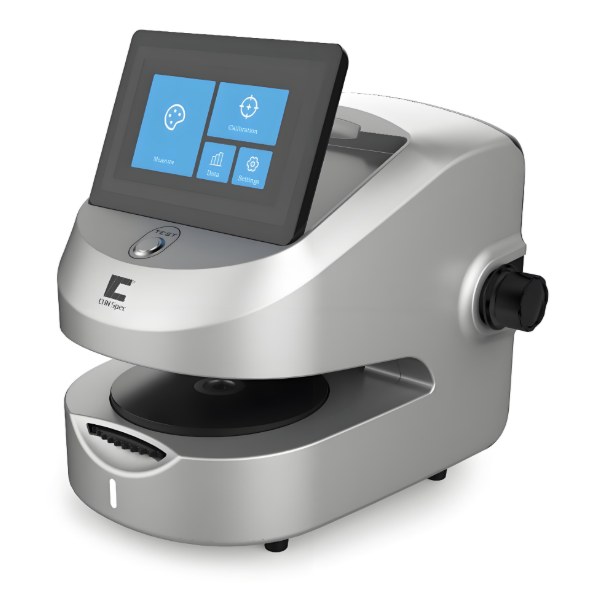
The available information describes the CHN SPEC UPF analyzer as using an integrated testing process. Its workflow is intended to cover sample positioning, UV exposure, transmittance acquisition, and data calculation with less repeated manual intervention. This approach is designed to reduce the time spent on routine setup, recording, and calculation tasks.
Automated steps reduce repetitive handling
Manual procedures can require separate actions for preparing samples, setting parameters, recording data, and calculating results. An integrated analyzer workflow can consolidate these steps. For quality teams, this may make the process more consistent and reduce the administrative effort associated with each sample.
The source material indicates that results can be generated within minutes from sample insertion to reporting. Actual timing should be evaluated against the specific fabric, test setup, and operating procedure used by the organization.
Batch-oriented testing for quality control
Batch quality inspection is especially important when fabric production moves beyond individual development samples. The UPF analyzer is described as supporting continuous multi-sample testing, with preset test parameters and automated data storage for each sample. This can help teams organize repeatable review of multiple samples rather than relying only on a fully manual serial process.
A more structured batch workflow can make it easier to compare results across samples and keep testing records available for internal review. It may also help quality teams respond sooner when follow-up sampling or additional checks are needed.
Rapid feedback for fabric R&D
For research and development, timely information supports more frequent iteration. The analyzer is described as providing data such as UVA and UVB transmittance within minutes. With results available on site, researchers can review whether an adjustment is moving in the expected direction, refine parameters, and continue testing without waiting for an external report.
This does not replace the need for a defined quality process. Instead, it gives R&D teams a faster feedback point within that process. The value lies in shortening the interval between a fabric change and the information needed to assess it.
Operational value for inspection teams
A UPF analyzer can support closer coordination between fabric R&D and quality control. Development teams can use rapid feedback while refining materials or processes, while inspection teams can apply a repeatable workflow when reviewing production-related samples.
For businesses focused on sun-protective fabrics, the key consideration is not only the duration of a single test. It is the speed and clarity of the complete decision cycle: test the sample, review the data, make an adjustment when needed, and verify the result. A workflow that reduces waiting and manual handoffs can help teams maintain momentum while keeping quality evaluation central to the process.
Key considerations when evaluating a UPF analyzer
- Identify where testing delays occur: R&D validation, batch inspection, data recording, or report turnaround.
- Consider how samples and test parameters will be organized for routine use.
- Determine which data, including UVA and UVB transmittance, the team needs for its internal decisions.
- Plan how results will be reviewed and stored within the existing quality-control workflow.
- Assess whether faster on-site feedback can improve coordination between development and inspection functions.
By focusing on workflow efficiency as well as measurement needs, fabric teams can evaluate whether a UPF analyzer fits their approach to sun-protective fabric testing and quality control.