However, when using it, you need to pay attention to a number of factors to ensure safety and achieve optimal efficiency during operation. Below are things to note when using a magnetic heating stirrer and its advantages and disadvantages
Magnetic heating stirrer has many advantages
Compact design, making cleaning and cleaning simpler. The ability to stir quickly and evenly helps ensure highly effective sample preparation.
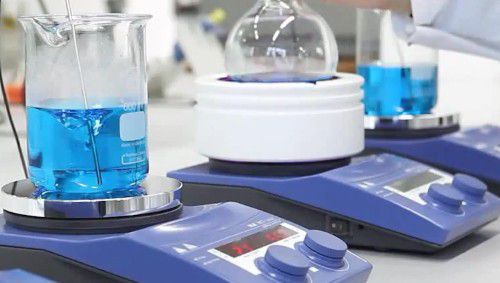
The machine can operate for long periods of time without making significant noise, providing a quieter working experience. In addition, the machine also has high durability, stable operation and diverse applications in many fields.
Large stirring capacity and automatic adjustment are another plus, helping to meet many different needs in the laboratory.
Disadvantages:
Although there are many advantages, magnetic heating stirrers also have some disadvantages. The device is only really effective when used with moderately sized samples, and performance will decrease significantly when working with highly viscous solutions or thick suspensions. This limits the stirring ability somewhat for samples with more complex properties.
What to note when using a heating magnetic stirrer
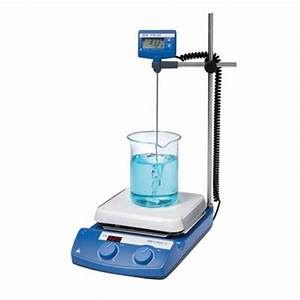
To use the machine effectively, pay attention to the following:
Make sure the machine is qualified to operate:
To ensure the machine works best, before use, you need to thoroughly check the device.
Make sure the machine is in good condition, not damp, damaged or showing any signs of damage. The surface of the machine needs to be clean, free of dirt or residue left over from previous use.
Then, connect the power cord and plug in the power, ensuring the machine is ready to operate effectively.
Environmental conditions are stable
It is necessary to carefully check the power source to ensure that the supply voltage matches the requirements of the machine. Proper grounding is also important to avoid the risk of shock during operation. Because the machine may vibrate during operation, place the machine in a stable, balanced location, and away from other equipment to ensure safety and prevent unwanted incidents from occurring. .
Choose appropriate words
You need to choose a magnetic bar with the right size for both the model and the machine, to help ensure the stirring process goes smoothly.
Set sample
When placing the sample, pay attention to placing the sample balanced and accurately on the machine, so that the magnetic field has the best impact. At the same time, it is necessary to clean the surface of the machine and the bottom of the sample cup, ensuring there is no dirt or any other factor that hinders contact, thereby affecting the stirring efficiency and measurement process.
When starting to stir
When starting to stir, choose a speed appropriate to the characteristics of the solution to ensure the best results. Pay special attention to the viscosity and consistency of the solution to adjust the speed appropriately.
In case of necessity, a stirring timer will help control time accurately, ensure sample quality as well as maintain stable machine performance.
Clean the machine
After use, use a soft cloth to wipe away dirt and spilled stirring samples. Because the machine generates heat during use, you should let it cool before cleaning to ensure safety.
Preserve
When storing and preserving the device, place the device in a dry, cool place, away from areas with high humidity or extreme heat, to prevent damage and maintain the device in the best condition.
Conclude:
Above are some notes about magnetic heating stirrers and their advantages and disadvantages. Before using, you need to research the product carefully to avoid unnecessary errors that can lead to the stirrer malfunctioning or failing to produce results.