For full functionality of this site it is necessary to enable JavaScript.
EMIN.VN
0

Factors affecting the electrical conductivity (EC) in soil

11/04/y 09:31:50

According to specialized literature, the electrical conductivity (EC) of soil is typically between 0.2 and 1.2 mS/cm. This is the range within which plants can absorb nutrients relatively stably. When it falls below this threshold, the amount of dissolved ions is insufficient, leading to nutrient deficiencies. When it exceeds this threshold, the salt content increases, affecting plant growth.

Electrical conductivity (EC) in soil is not constant but changes depending on the environmental conditions and characteristics of the soil. This article will clarify this.

Temperature and soil characteristics affect the electrical conductivity (EC) of the soil

The temperature of soil, water, and air directly affects the mobility of ions. As temperature increases, ions become more mobile, thus increasing the EC (Electrostatic Pressure) index. Conversely, as temperature decreases, ion movement slows down, and conductivity also decreases.

In addition, soil structure determines its water retention capacity and ion distribution. In dry conditions, ions are more tightly bound to soil particles, making movement difficult. With sufficient moisture, water helps dissolve and release ions, increasing conductivity.

Electrical conductivity depends on the type of substance and the degree of ion dissociation; this is analyzed in more detail in the article Ranking the Best Electrical Conductors Currently Available

Differences between soil types are also evident in the EC index. Sandy soils retain water poorly, so they usually have low EC. Clay or loamy soils retain moisture better, creating conditions for ions to exist and move, resulting in higher conductivity. Soils with balanced water retention and drainage capabilities tend to have more stable EC values.

Irrigation water, fertilizers, and soil depth alter electrical conductivity

Irrigation water carries dissolved substances that can alter the ion concentration in the soil. If the water contains a high salt content, conductivity will gradually increase over time. Conversely, rainwater or water sources with low mineral content can reduce salt concentration around the root zone.

Fertilizers directly supplement nutrient ions, thus significantly affecting EC. When used in high amounts, the accumulated salts in the soil will increase conductivity. If the threshold is exceeded, this excess can be detrimental to plants.

In addition, the depth of the soil layer also makes a difference in EC. The topsoil is usually rich in nutrients, suitable for root development. If the underlying soil contains a lot of clay or is near bedrock, the potential for ion accumulation may be higher, thereby altering conductivity.

ຂ່າວທີ່ກ່ຽວຂ້ອງ

5 Little-Known Outdoor Error Sources of Laser Distance Meters
10/10/y 11:23:17

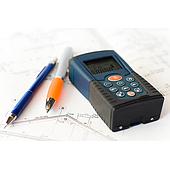
Laser distance meters typically achieve millimeter-level accuracy indoors, but errors immediately appear when used on a blazing construction site. The root of the issue lies deep within the physical and optical mechanisms operating inside the device

How High CO2 Levels in Enclosed Classrooms Affect Students, and Where to Correctly Place Sensors for Measurement
10/10/y 10:36:22

In classrooms where dozens of students sit in close proximity, air conditioners are turned on and windows kept tightly shut during hot weather, causing CO2 from exhaled breath to accumulate rapidly. This article addresses the questions frequently raised by school administrators, teachers, parents, and school management bodies covering everything from the impact on students and the CO2 thresholds requiring monitoring to the proper selection and installation of sensors

How a Lack of Fresh Air in Offices Causes Harm, Which Metrics Measure It, and What Solutions Address It
09/10/y 15:43:24

Modern office buildings are designed to be airtight to retain cool air and conserve energy for central air conditioning systems. If the supply of fresh air falls below design specifications, CO2, fine dust, and volatile organic compounds (VOCs) begin to accumulate within the workspace. This impacts employee health, work quality, personnel costs, and the building owner's reputation. This article addresses the questions frequently raised by business owners, building managers, and HVAC engineers

Advantages of Lead-Free Soldering Stations
09/10/y 14:45:40

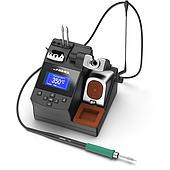
Lead-free soldering stations provide fast, stable heating to meet stringent quality and durability requirements across industries such as aerospace, medical devices, and automotive electronics. They also help protect operators' health and reduce environmental pollution.

ຕິດຕາມຂ່າວສານ ແລະ ຂໍ້ສະເໜີ

ຮັບສ່ວນຫຼຸດພິເສດຕາມປະລິມານ, ອັບເດດລາຄາຂາຍສົ່ງ ແລະ ການແຈ້ງເຕືອນສິນຄ້າໃໝ່ສົ່ງກົງເຖິງອິນບັອກຂອງທ່ານ.

ໂດຍການສະໝັກສະມາຊິກ, ທ່ານຍອມຮັບ ເງື່ອນໄຂການໃຫ້ບໍລິການ ແລະ ນະໂຍບາຍຄວາມເປັນສ່ວນຕົວ ຂອງພວກເຮົາ.

ການຊ່ວຍເຫຼືໍາດ່ວນ

ເຂົ້າເຖິງຜູ້ຊ່ຽວຊານທີ່ໄດ້ຮັບການຢັ້ງຢືນຂອງພວກເຮົາໂດຍກົງ