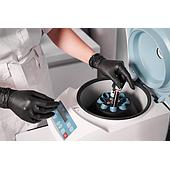
Constant temperature and humidity chamber is used to condition specimens before testing and to expose materials to controlled temperature and humidity conditions. A clear, repeatable test method helps laboratories evaluate chamber operation while supporting consistent sample conditioning. The method should cover preparation, programmed operation, performance verification, safety review, and maintenance planning.
Purpose of constant temperature and humidity chamber testing
Environmental chambers are used across a range of industries to assess how materials and products respond to changing climatic conditions. A temperature and humidity test chamber can support high-temperature, low-temperature, humidity, and alternating-condition testing. It may also be used to condition samples before another test is performed.
Before relying on test results, users should confirm that the chamber can create and sustain the required environmental conditions. The chamber test method is therefore not limited to placing specimens inside and starting a program. It also considers whether the conditions are uniform, accurate, stable, and repeatable throughout the working space.
Key checks before chamber operation
Performance verification should begin with temperature uniformity and temperature accuracy. Readings at different positions in the chamber should be checked to determine whether the test area is operating within the specified range for the intended method. Humidity should likewise be assessed at different points rather than assumed from a single indication.
The chamber should also be evaluated for its ability to maintain constant temperature and humidity after reaching the setpoints. Where a test includes rapid changes between conditions, recovery capability is relevant: the chamber should return to the programmed conditions within the applicable specified range.
Response time is another practical consideration. This review examines the time needed for the chamber to reach the selected temperature and humidity levels. The acceptable result depends on the specified range and test requirements being followed.
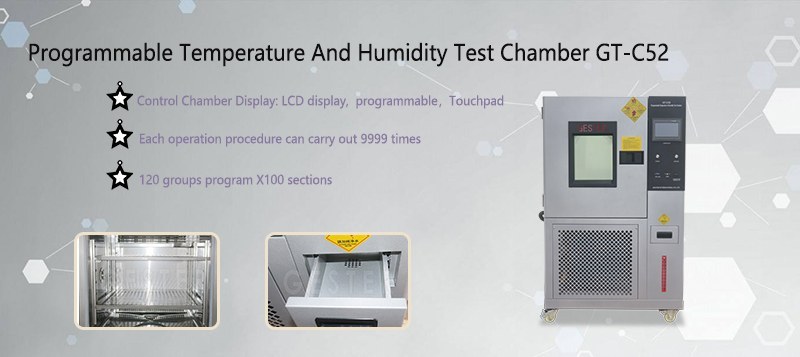
Basic operating sequence
Follow the equipment instructions and applicable laboratory safety procedures before connecting or operating the chamber. The source procedure describes connecting the power line through a miniature circuit breaker, with live, neutral, and protective earthing conductors identified. After the chamber is powered on, the operator can prepare the humidification system as required by the equipment.
For the described chamber procedure, pure water is added to the tank. The stated fill quantity is 12–13 L, with the water level indicated at approximately 80. The procedure also describes placing a cotton cloth on the third sensing tube and positioning the other end in a small sink so water can be absorbed to the sensing tube. In that configuration, the first tube is identified for temperature testing, the second for excessive-temperature alarm, and the third for humidity testing.
Once the chamber is prepared, place the specimens on the holder and close the door. Avoid treating this general sequence as a substitute for the operating manual or a laboratory’s validated work instruction. Sample placement, the selected setpoints, and the duration should match the applicable material test plan.
Setting and running the environmental test
From the main interface, set the required time, temperature, and humidity, then start the program. The source information notes that operations can be arranged as repeated cycles and that a program may be divided into sections for partial-cycle work. This can be useful when a test requires alternating temperature and humidity conditions rather than one fixed condition.
During the run, record the selected conditions, start time, specimen identification, and any observed deviation or alarm. When the programmed time is complete, remove the specimens according to the applicable procedure, then close the door and power down as required. Clear records make it easier to compare sample results and to investigate unexpected changes in chamber performance.
Safety, environmental, and maintenance review
A complete constant temperature and humidity chamber test method also addresses operational safety. The chamber should be reviewed under different operating conditions for matters such as power consumption and over-voltage protection. Excessive-temperature alarm operation is particularly relevant where the chamber uses a dedicated sensing point for that function.
Environmental considerations may include the chamber’s effect on air quality and noise levels. These items should be assessed according to the facility’s requirements and the intended operating environment. Maintenance should be planned as part of reliable operation, with attention to maintenance frequency and the associated service needs.
Environmental test chamber combines correct setup with evidence that the chamber performs as intended. Verify temperature and humidity accuracy across the chamber, assess uniformity, stability, response time, and recovery behavior, then operate the programmed test with documented sample handling. Reviewing safety, environmental factors, and maintenance requirements helps support dependable use of a constant temperature and humidity chamber for material conditioning and environmental testing.