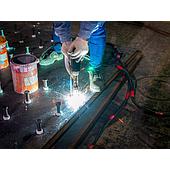
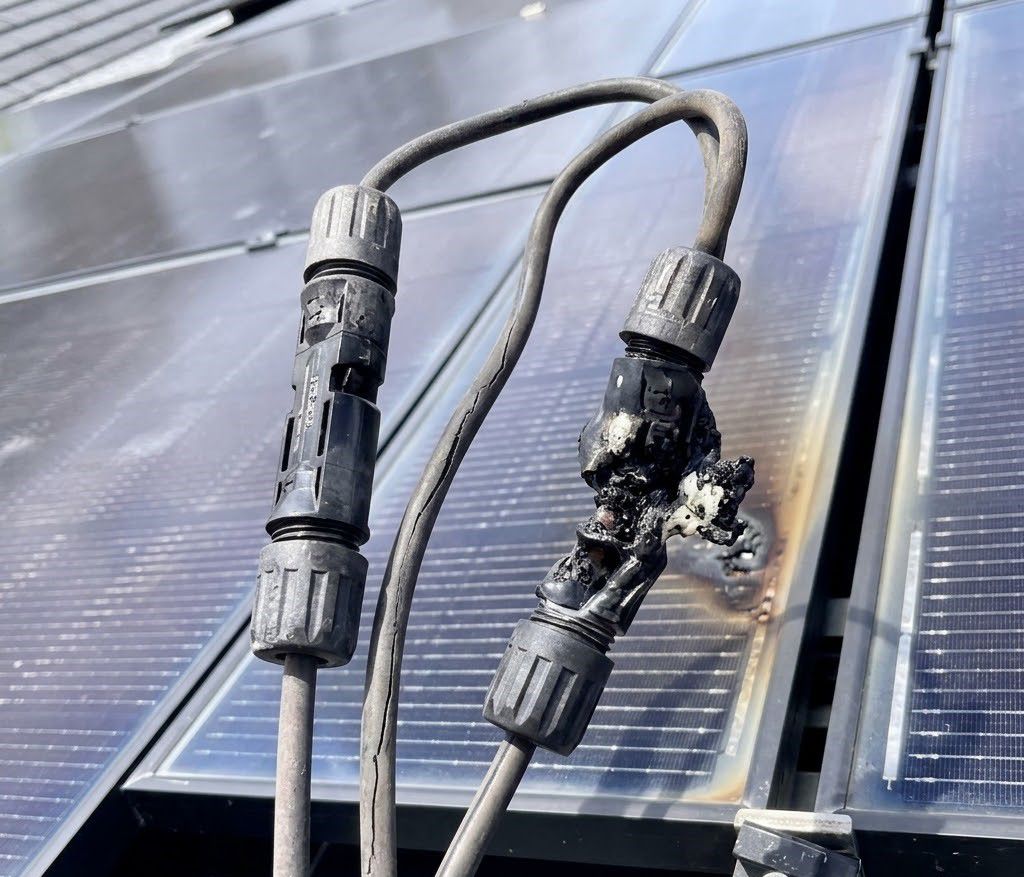
A loose crimp joint here generates high resistance, silently building up heat over extended periods until an electric arc flashes—often referred to by technicians as arcing—generating enough energy to ignite surrounding insulation materials. The earliest method of detection is not visual inspection, but measuring contact resistance with specialized equipment.
Why Loose MC4 Connectors Are Dangerous and What Equipment Is Used to Measure Contact Resistance
MC4 connectors are the standard type used to connect solar panels into strings and route wiring back to the combiner box or inverter. Operating on direct current (DC), a loose crimp or poorly crimped copper pin increases resistance at the contact point, generating continuous localized heat while the system operates normally. Heat accumulating long enough leads to arc faults—the leading cause of fires on rooftop solar installations. Proper connections also minimize power transmission losses, directly impacting total system yield.
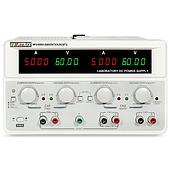
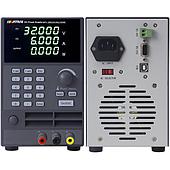
This measurement requires high-current specialized contact resistance testing equipment, commonly known as a micro-ohm or milliohm meter, featuring resolutions down to mΩ or μΩ. Standard multimeters lack the sensitivity required to detect tiny resistance variations at a crimp point; dedicated instruments are necessary to accurately evaluate the connector's degree of degradation.
How Electrical Safety Must Be Ensured When Measuring MC4 Connector Resistance
Completely de-energize the system before touching test leads by isolating the inverter and opening the DC disconnect switch to ensure no current flows through the conductors. Equip personnel with insulating electrical protective gear, as solar PV systems retain significant residual voltage even after load disconnection.
Attach or touch test probes to both ends of the connection—at the contact point between male and female connectors, or where the copper pin is crimped onto the PV cable. Record the measured resistance value for benchmark comparison.
A compliant connection typically yields a very low contact resistance, under 5 mΩ, with specific values depending on individual connector manufacturer guidelines. Abnormally high readings, unstable fluctuations, or values exceeding allowable thresholds indicate connector aging, loose crimping, or internal oxidation—all characteristics of high-risk arc fault conditions.
Additionally, you can refer to related content:
Reading Solar Radiation Charts and Inverter Power Output
Rooftop Solar Voltage Drops and Sudden Power Loss: 4 Warning Signs to Isolate Immediately
How to Handle MC4 Connectors Reporting High Resistance
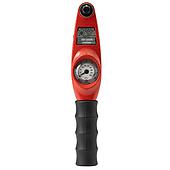
Completely cut off the degraded connector and crimp a new MC4 connector using specialized, proper-grade crimping tools without re-using oxidized copper pins. Re-measure contact resistance immediately after crimping to confirm the new joint meets safety thresholds before re-energizing the system.
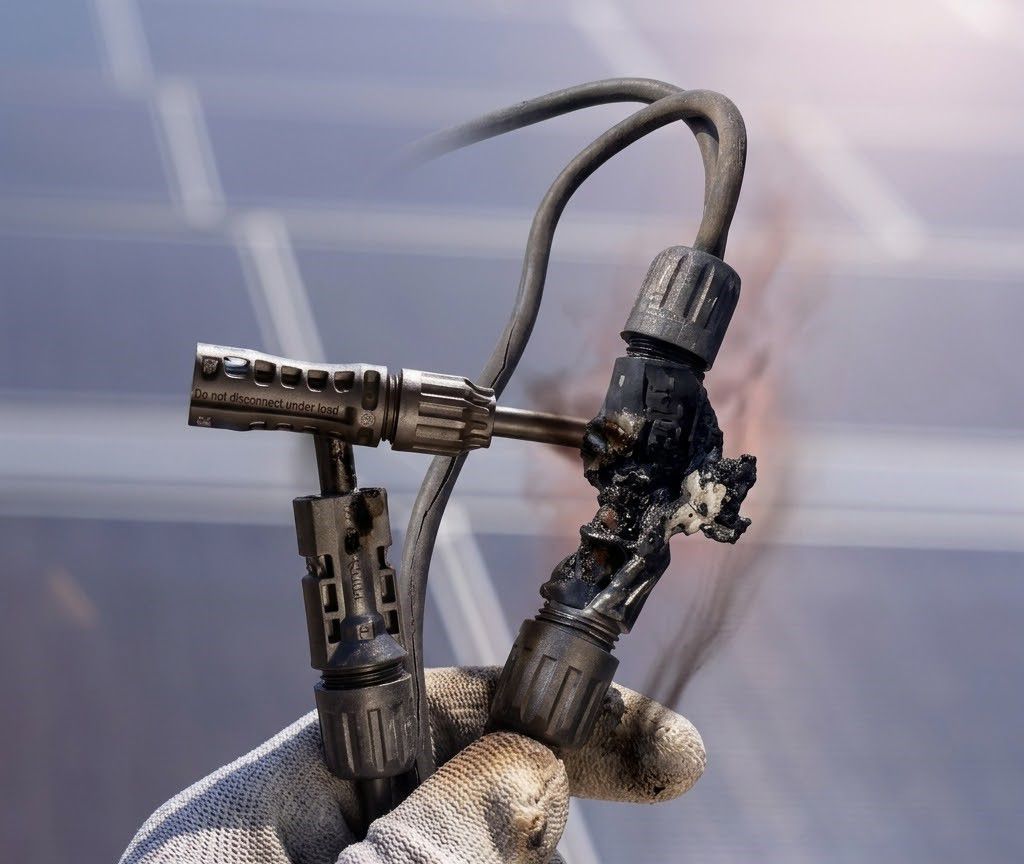
Accurately diagnosing MC4 connector conditions before energization helps industrial facilities eliminate one of the most unpredictable fire hazards on rooftop solar systems. The "M&E System Maintenance and Solar Infrastructure Workshop" co-hosted by EMIN and Fluke in Da Nang on October 27, 2026, and Southern Vietnam on October 30, 2026, will guide you through contact resistance measurement procedures and safety threshold interpretation with technical experts. Register early to reserve your seat.