For full functionality of this site it is necessary to enable JavaScript.
EMIN.VN
0

Reliability Test for Relay Using GW PSW Power Supply and PEL-3111 E. Load

19/12/y 17:28:24

How do you conduct relay connection point (N.O. / N.C.) tests? How do you test the life cycle of relay’s connection point (N.O. / N.C.)?   How do you evalua

How do you conduct relay connection point (N.O. / N.C.) tests? How do you test the life cycle of relay’s connection
point (N.O. / N.C.)?   How do you evaluate the connection resistance of connection point (N.O. / N.C.) after multiple
tests? How do you evaluate the speed for operating connection point (N.O. / N.C.)? 

Relay, functioning to produce mechanical on-off movement by receiving electric signal to change electro magnet,
is often applied to control other electronic device via receiving electronic signal. Voltage exerted on relay’s coil
allows current to pass through coil and magnetizes core. Armature is then be pulled by core due to electromagnetic
force. Hence, a mechanical on-off movement is produced.  


As shown on the top diagram, PSW 30-108, Relay and PEL-3111 are connected by series. PEL-3111 is set to 80A
current sink. Each time, Relay’s NO-COM is closed, NO-COM is tested for its current reliability. In the meantime,
PSW 80-40.5 is utilized to output sequential power supply to produce control signal to control Relay’s NO-COM.

One GW Instek PSW 80-40.5 can meet the actual measurement requirements via planning Relay’s control signal.
It not only controls signal’s voltage, current, time and period, but also determines the number of operating cycle.
There are totally 20,000 steps and each step can be set from 50ms to 20 days. The number of cycle can reach
1 billion or infinite by different specifications. Relay’s control signal can only verify the mechanical characteristics
of NO-COM and NC-COM. For further electric characteristic verification of NO-COM and NC-COM, PSW 30-108
and PEL-3111 must be concurrently utilized to produce C.C. output. Based upon Relay’s specifications, the combined
application of two instruments can conduct fast current switching test and provide large current verification,
including current withstanding value and current withstanding time so as to ensure Relay’s quality. 
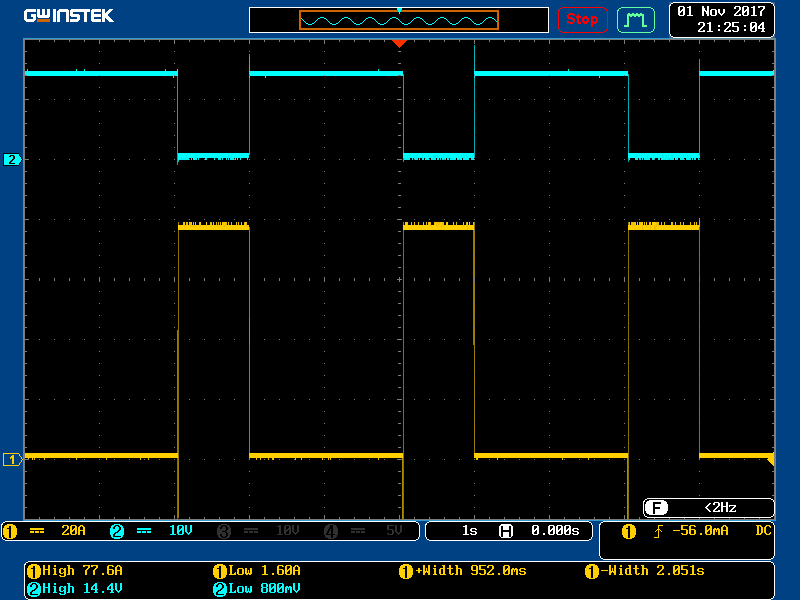
GW instek PEL-3111 Programmable DC Electronic Load (150V, 210A, 1050W)

ຂ່າວທີ່ກ່ຽວຂ້ອງ

How do HRC, HRB, and HRA scales differ in hardness testing?
15/06/y 14:30:32

HRC, HRB, and HRA all belong to the Rockwell hardness system but are applied to different material groups. Understanding the differences between HRC, HRB, and HRA helps in selecting the correct testing method, accurately reading specifications, and avoiding unnecessary errors in material quality assessment.

What is the required TDS level for shrimp ponds?
12/06/y 14:26:27

What is the ideal TDS level for a shrimp tank? Many people spend a lot of time monitoring pH, temperature, and filtration systems but overlook TDS. Only when shrimp grow slowly, their colors fade, they have difficulty molting, or die off sporadically do they start checking their water source and discover that this indicator has long been out of the right range

Signs that the electrodes in your TDS meter are degraded and need replacing
12/06/y 11:43:51

TDS meters can operate reliably for many years, but the electrodes are the most subject to wear and tear. Each time a measurement is taken, the sensor surface comes into direct contact with water, dissolved minerals, and various other chemical components. This continuous process means the electrode's responsiveness gradually decreases over time.

ຕິດຕາມຂ່າວສານ ແລະ ຂໍ້ສະເໜີ

ຮັບສ່ວນຫຼຸດພິເສດຕາມປະລິມານ, ອັບເດດລາຄາຂາຍສົ່ງ ແລະ ການແຈ້ງເຕືອນສິນຄ້າໃໝ່ສົ່ງກົງເຖິງອິນບັອກຂອງທ່ານ.

ໂດຍການສະໝັກສະມາຊິກ, ທ່ານຍອມຮັບ ເງື່ອນໄຂການໃຫ້ບໍລິການ ແລະ ນະໂຍບາຍຄວາມເປັນສ່ວນຕົວ ຂອງພວກເຮົາ.

ການຊ່ວຍເຫຼືໍາດ່ວນ

ເຂົ້າເຖິງຜູ້ຊ່ຽວຊານທີ່ໄດ້ຮັບການຢັ້ງຢືນຂອງພວກເຮົາໂດຍກົງ