ເນື້ອຫານັບໃນຫ້ອງວິໄຈ
Counting tasks in laboratories may look simple at first, but accuracy, repeatability, and workflow speed often depend on using the right instrument. In research labs, microbiology environments, cleanrooms, and quality control facilities, dedicated counters help reduce manual errors and support more consistent documentation across routine and high-volume work.
Laboratory Counters cover a broad group of instruments used to quantify cells, colonies, particles, or repeated events in controlled settings. This category is relevant for teams that need dependable counting methods as part of testing, monitoring, validation, or laboratory operations.

Where laboratory counters are used
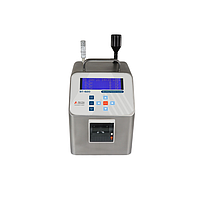
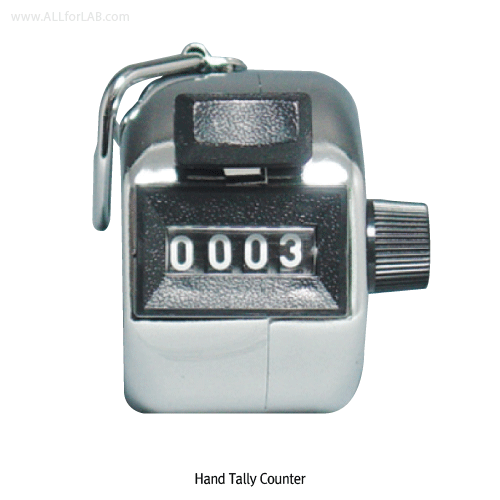
Different lab environments rely on counting equipment for different reasons. In microbiology, colony counting supports culture analysis and routine plate evaluation. In contamination control and environmental monitoring, particle counting is used to assess air quality and cleanliness in sensitive areas. In general laboratory workflows, tally-style devices may be used for repetitive counting steps where quick manual tracking is still practical.
Because these tasks serve different technical goals, the selection process should start with the sample type, the counting method, and the level of traceability required. A compact manual counter may be enough for basic repetitive work, while a more advanced instrument is better suited to controlled environments where data quality and standardized procedures matter.
Typical product types within this category
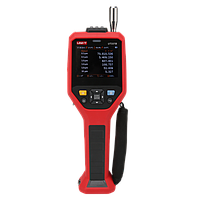
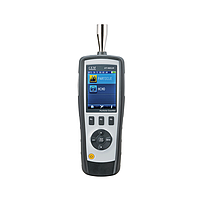
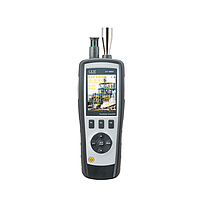
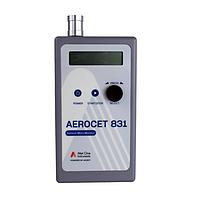
This category usually brings together several counting approaches rather than one single device format. Some instruments are designed for visible objects on plates or surfaces, while others detect suspended particles in air and support monitoring programs in laboratories, production areas, or clean spaces.
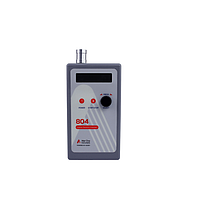
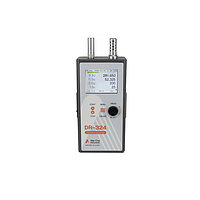
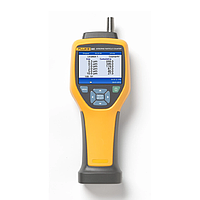
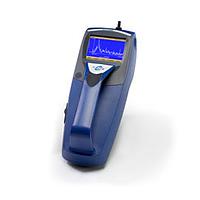
For facilities focused on airborne contamination control, instruments from manufacturers such as TSI, Lighthouse, and Aeroqual are often relevant when evaluating air quality and particle-related workflows. For broader measurement and verification needs around the lab, brands including FLUKE, OMEGA, TESTO, EXTECH, KANOMAX, Casella, and Beckman may also appear in adjacent testing and monitoring contexts.
Choosing the right counter for your application
The most useful way to compare laboratory counters is to look at the counting target. If the task involves microbial growth on agar plates, the priority is clear visualization, reliable mark recognition, and operator efficiency. If the goal is environmental cleanliness assessment, then particle size channels, sampling method, and reporting workflow become more important than plate handling.
It is also important to consider how the instrument fits into the broader process. Some users need standalone devices for routine bench work, while others need equipment that supports audit-friendly records, quality procedures, or repeated use across multiple technicians. In these cases, usability, consistency, and maintenance requirements may matter as much as the counting function itself.
Laboratories that handle sample preparation and related bench processes may also review complementary equipment such as laboratory blenders or safe heating tools in the burner and torch range, depending on the workflow surrounding the counting step.
Key considerations before purchase
Before selecting a device, it helps to define whether the priority is speed, precision, portability, or compliance support. A simple manual counter can be effective for straightforward repetitive tasks, but laboratories with validation requirements often need more structured measurement and recording capability. The working environment also matters, especially in cleanrooms or controlled test areas.
Another important factor is ease of operation. A counter used every day by multiple operators should be intuitive, easy to clean when necessary, and suitable for the expected workload. If the instrument is part of a larger monitoring strategy, buyers may also want to align it with existing practices for calibration, documentation, and periodic verification.
How laboratory counters support quality and repeatability
Manual counting methods can be affected by fatigue, inconsistent technique, or differences between operators. Dedicated counting instruments help standardize routine work by providing a more defined process for observation, registration, and reporting. This is especially valuable in laboratories where repeated testing must remain comparable over time.
In contamination-sensitive settings, counters can also support broader quality control and environmental monitoring programs. Reliable counting data helps laboratories detect deviations earlier, compare conditions between areas, and maintain better process visibility. When combined with clear procedures, the right equipment contributes to stronger day-to-day control rather than just faster counting.
Integration with the wider laboratory setup
Counting equipment is rarely used in isolation. It usually sits within a larger ecosystem that may include sample handling tools, protective items, transport accessories, and environmental measurement instruments. For that reason, many buyers evaluate counters alongside practical supporting categories such as laboratory apparels to help maintain appropriate working conditions and handling discipline.
For facilities building out a broader lab infrastructure, it is also worth considering how the counter will be stored, moved, and used across workstations. Workflow planning, operator access, and maintenance space all influence long-term usability, especially when equipment must support recurring testing schedules.
Finding a suitable option for your lab
The right choice depends on whether your team is counting colonies, airborne particles, general particles, or repeated manual events. Looking beyond the headline product name and focusing on application fit usually leads to a better result. A laboratory with strict cleanliness requirements will not evaluate a counter the same way as a teaching lab or a microbiology bench performing routine plate work.
This Laboratory Counters category is intended to help buyers compare instruments by use case and operational need. If you are reviewing equipment for research, environmental monitoring, or laboratory quality workflows, start with the type of material being counted, the level of consistency required, and how the device will fit into your existing process.
ຮັບສ່ວນຫຼຸດພິເສດຕາມປະລິມານ, ອັບເດດລາຄາຂາຍສົ່ງ ແລະ ການແຈ້ງເຕືອນສິນຄ້າໃໝ່ສົ່ງກົງເຖິງອິນບັອກຂອງທ່ານ.
ໂດຍການສະໝັກສະມາຊິກ, ທ່ານຍອມຮັບ ເງື່ອນໄຂການໃຫ້ບໍລິການ ແລະ ນະໂຍບາຍຄວາມເປັນສ່ວນຕົວ ຂອງພວກເຮົາ.
ເຂົ້າເຖິງຜູ້ຊ່ຽວຊານທີ່ໄດ້ຮັບການຢັ້ງຢືນຂອງພວກເຮົາໂດຍກົງ