ເສື້ອກັນເສຽງ
Protective apparel often needs to do one simple job very well: create a practical barrier between the wearer and the process. In laboratories, clean environments, chemical handling areas, and temperature-sensitive workstations, the right apron helps reduce contamination risk, improves operator safety, and supports more consistent daily routines.
This category brings together aprons designed for different working conditions, from clean room dust control and disposable use to chemical resistance, heat resistance, and cryogenic protection. Rather than treating all protective aprons as interchangeable, it is more useful to select by material, exposure type, and the level of coverage required for the task.

Choosing the right apron for the work environment
Aprons are commonly used as a front-line protective layer when the main exposure is concentrated on the torso and upper legs. This makes them suitable for splash-prone benches, sample preparation areas, transfer operations, and routine cleaning or handling work where a full garment may be unnecessary or less convenient.
The most important consideration is the type of hazard. Dust-sensitive environments may call for clean room or anti-dust materials, while wet processes may require waterproof surfaces. If the process involves aggressive liquids, extreme cold, or hot equipment, the apron material must match those conditions instead of relying on a general-purpose garment.
Common apron types in this category
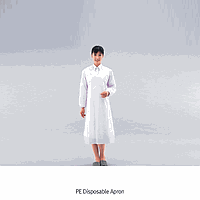
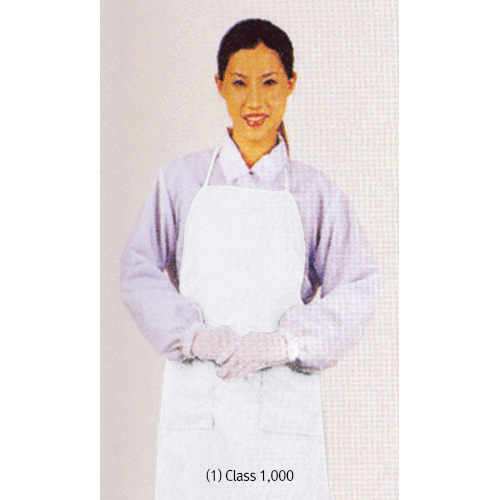
This range includes several practical formats for laboratory and industrial use. Clean room aprons are intended to help limit particle generation and support controlled environments. Disposable PE or PP fabric aprons are often chosen for short-cycle tasks, visitor use, or applications where fast replacement is more efficient than laundering.
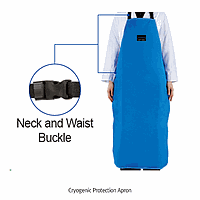
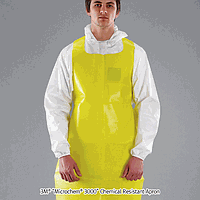
There are also specialized options for higher-risk applications. Chemical-resistant aprons are designed for splash protection in handling operations, while heat-resistant and cryogenic aprons address thermal extremes in opposite directions. For users building a broader PPE setup, it may also be useful to review related items such as arm covers when additional forearm protection is needed.
Examples of products for specific use cases
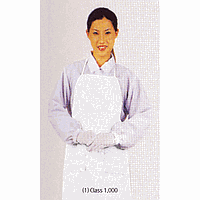
For controlled environments, the Apro A7.A001 clean room anti-dust apron and the Apro A7.A002 clean room urethane apron illustrate two different approaches to contamination-focused apparel. The first suits general dust-control needs, while the urethane version may be more appropriate where wipeability and surface protection are important.
Where splash resistance is a priority, the 3M.MC3000 MG3000 chemical-resistant apron is a relevant example from 3M. In thermal applications, DaiHan DH.Apr3021 and DH.Apr3022 cryo waterproof aprons are intended for cold-handling tasks, while the SciLab SL.Apr3012 heat-resistant apron is positioned for elevated-temperature work. For high-turnover or limited-use operations, SciLab SL.Apr3011 PE disposable and Yuhan Y2.44001 PP fabric aprons represent lighter-duty alternatives.
How material affects performance
The choice of material directly influences durability, comfort, cleanability, and protective performance. Urethane, PE, PP fabric, laminated polyester, and specialty thermal materials all behave differently in daily use. Some are better suited to resisting liquid penetration, while others are selected for particle control, single-use convenience, or tolerance to temperature extremes.
A teflon laminated polyester option such as the SciLab SL.Apr4011 points to applications where surface behavior and easier maintenance may matter. By contrast, disposable plastic-based aprons can simplify changeover and contamination management, especially in environments where reusability is less important than speed and hygiene. In many facilities, the best approach is to match the apron not only to the hazard, but also to replacement frequency and cleaning practice.
Selection factors that matter in B2B purchasing
For procurement teams, EHS staff, and laboratory managers, apron selection should go beyond price or basic appearance. A better purchasing decision usually considers coverage length, fit, material compatibility, intended duration of wear, and whether the apron is part of a wider protective clothing standard within the facility.
Length is particularly relevant because this category includes shorter and longer designs, such as 80 cm, 108 cm, 110 cm, and 120 cm formats. The right size can improve mobility without leaving key areas unnecessarily exposed. It may also be practical to align apron selection with other garments in the same protective apparel workflow, including coats, jackets, smocks, and pants for tasks that require broader body coverage.
When to use disposable vs reusable aprons
Disposable aprons are often preferred in environments with frequent personnel turnover, low-duration tasks, or strict contamination control procedures that favor immediate disposal after use. They can also reduce laundry handling and simplify stock planning for routine consumable use.
Reusable aprons are usually more suitable when the material must provide stronger mechanical performance or more specialized protection, such as chemical splash resistance, clean room compatibility, or thermal protection. In these cases, the apron becomes part of an operational safety process rather than a basic consumable, so durability and application fit become more important than simple unit cost.
Manufacturer options in this category
This selection includes products from brands commonly specified in laboratory and industrial environments, including Apro, 3M, DaiHan, Yuhan, and SciLab. Each brand appears here through product examples aimed at different use cases rather than a one-size-fits-all positioning.
That variety is useful because apron requirements can differ significantly between cleanroom handling, cryogenic work, chemical splash protection, and disposable hygiene applications. A category page like this helps buyers compare those roles more efficiently and narrow down products that fit the actual process conditions.
Finding the most suitable apron for your process
The best choice usually comes from a straightforward evaluation: what the worker is exposed to, how long the apron will be worn, what level of contamination control is required, and whether the item is meant for repeated or single use. Once those points are clear, the material and format become much easier to shortlist.
If your application involves laboratory handling, clean production, chemical splash risk, or temperature-sensitive operations, this apron category provides a practical starting point. Reviewing the intended environment first will help you choose a product that fits the task more accurately and supports safer, more efficient day-to-day work.
ຮັບສ່ວນຫຼຸດພິເສດຕາມປະລິມານ, ອັບເດດລາຄາຂາຍສົ່ງ ແລະ ການແຈ້ງເຕືອນສິນຄ້າໃໝ່ສົ່ງກົງເຖິງອິນບັອກຂອງທ່ານ.
ໂດຍການສະໝັກສະມາຊິກ, ທ່ານຍອມຮັບ ເງື່ອນໄຂການໃຫ້ບໍລິການ ແລະ ນະໂຍບາຍຄວາມເປັນສ່ວນຕົວ ຂອງພວກເຮົາ.
ເຂົ້າເຖິງຜູ້ຊ່ຽວຊານທີ່ໄດ້ຮັບການຢັ້ງຢືນຂອງພວກເຮົາໂດຍກົງ