ກະເປົາ
Handling, mixing, collecting, or evaporating materials in the lab often depends on simple tools that are easy to overlook. A well-chosen lab bowl helps keep routine work organized, supports clean sample handling, and fits naturally into preparation, transfer, and heating workflows across research, quality control, and industrial laboratories.
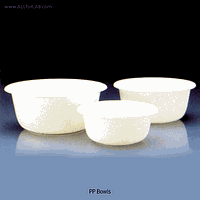
Within this Bowls category, users can compare stainless steel bowl options used for general lab handling as well as evaporation-related tasks. The range is relevant for laboratories that need practical vessels for batching, temporary holding, weighing support, rinsing steps, or controlled open-surface processing where shape and volume matter.

Where laboratory bowls are used
Bowls are commonly selected for bench work that involves manual handling of powders, granules, solid samples, or liquids that do not require sealed storage. In many workflows, they serve as intermediate containers between dispensing, mixing, washing, and transfer steps, especially when operators need a wide opening and easy visual access to the material.
They are also useful in cleaning and preparation areas, where a broad vessel shape makes filling, rinsing, or decanting more convenient than narrow-neck containers. For laboratories building a complete bench setup, related consumables and handling items such as laboratory bags may also be relevant depending on how samples are stored or moved after processing.
Why stainless steel bowls remain a practical choice
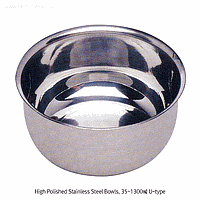
Many products in this category focus on stainless steel bowls, which are widely used because they are robust, easy to clean, and suitable for repeated daily handling. In technical and laboratory environments, stainless steel is often preferred where users want a durable vessel that can tolerate regular washing and general-purpose contact with samples or process materials.
The open form also makes these bowls useful when operators need fast access with spatulas, scoops, forceps, or other hand tools. Compared with more specialized vessels, bowls are straightforward to integrate into routine procedures, especially for staging materials before transfer to other equipment such as pumps, glassware, or process containers.
Representative products in this category
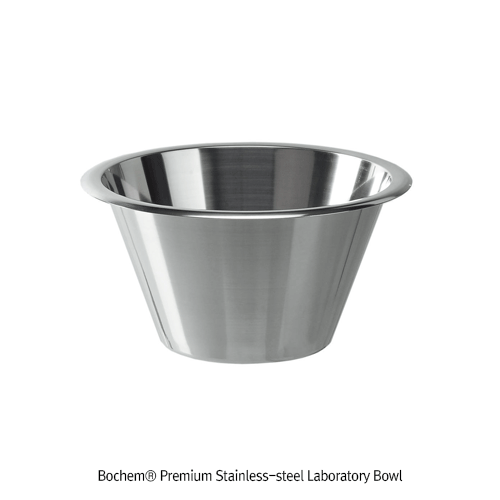
Several listed items illustrate the available capacity range. For example, the Bochem BC.8601 Lab - Bowl, SS, 1,000㎖ and Bochem BC.8602 Lab - Bowl, SS, 1,500㎖ are suited to smaller preparation tasks, while Bochem BC.8603 Lab - Bowl, SS, 2,000㎖ and Bochem BC.8605 Lab - Bowl, SS, 3,000㎖ provide more room for routine sample handling or liquid collection.
For larger-volume work, examples such as Bochem BC.8607 Lab - Bowl, SS, 5,000㎖, Bochem BC.8608 Lab - Bowl, SS, 6,000㎖, Bochem BC.8609 Lab - Bowl, SS, 8,000㎖, and Bochem BC.8611 Lab - Bowl, SS, 11,000㎖ show how the category supports scaling from small bench tasks to larger batch-oriented operations. A different form factor is represented by the DaiHan C9.4473 Bowl w-type 5l, which may be relevant when users prefer an alternative bowl geometry for specific handling needs.
Evaporation dishes and bowl-style vessels
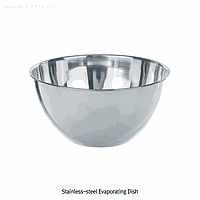
Not every bowl is used in exactly the same way. Some products in this category, such as Bochem BC.8671 Evap. Dish / Bowl, SS, 250㎖, BC.8672 Evap. Dish / Bowl, SS, 500㎖, and BC.8673 Evap. Dish / Bowl, SS, 1000㎖, are more closely associated with evaporation and open-surface processing than with simple bulk holding.
This distinction matters when choosing equipment for the bench. A deeper bowl may be more convenient for collecting or transferring material, while a shallower evaporation dish or bowl-style dish can be more suitable when surface exposure, heating access, or fast handling of small liquid volumes is part of the task.
How to choose the right bowl for your workflow
The first selection point is capacity. A bowl that is too small can make transfer messy and increase handling time, while one that is too large may take up unnecessary bench space and reduce control when working with small sample quantities. Matching bowl size to the normal batch volume usually leads to a cleaner and more efficient setup.
The next consideration is shape. Diameter and height influence access, splash behavior, and how easily tools can be used inside the vessel. For some processes, a wide and relatively shallow bowl is easier for mixing or evaporation, while deeper models may better support temporary containment or transport between workstations. If fluid transfer is part of the process, related tools such as a bottle top solvent pump may complement the workflow elsewhere in the lab.
Manufacturers and product ecosystem
This category includes products from established lab suppliers such as Bochem and DaiHan, with Bochem prominently represented in the current selection of stainless steel bowls and evaporation dishes. The presence of multiple capacity options from one manufacturer can be useful for laboratories that prefer a more standardized set of vessels across different tasks.
Depending on the broader application, users may also compare other labware brands and supporting product groups for a more complete setup. For example, teams working with assembly, sealing, or sample preparation steps may also review lab adhesives where that fits the overall process, although bowls themselves remain a basic handling component rather than a sealing or dispensing solution.
Good fit for research, QC, and industrial labs
Laboratory bowls are relevant across a wide range of environments, from educational and research benches to production support, incoming inspection, and quality laboratories. Their value comes from versatility: they can act as simple receiving vessels, staging containers, or evaporation-support items without adding unnecessary complexity to the process.
For buyers comparing options online, the most useful approach is to focus on the intended task, required volume, and preferred bowl geometry rather than choosing only by name. That makes it easier to identify whether a compact stainless steel bowl, a larger-capacity vessel, or an evaporation dish / bowl format is the better fit for day-to-day lab work.
Final considerations
A reliable bowl is a small part of the laboratory setup, but it can make repetitive handling steps cleaner and more efficient. This category brings together practical stainless steel options in multiple sizes so users can select a vessel that fits their sample volume, bench workflow, and handling style with fewer compromises.
If you are narrowing down the right option, start with the actual application: temporary holding, transfer, washing, mixing support, or evaporation. From there, comparing capacity and form factor across the listed products will usually lead to a more suitable choice for consistent laboratory use.
ຮັບສ່ວນຫຼຸດພິເສດຕາມປະລິມານ, ອັບເດດລາຄາຂາຍສົ່ງ ແລະ ການແຈ້ງເຕືອນສິນຄ້າໃໝ່ສົ່ງກົງເຖິງອິນບັອກຂອງທ່ານ.
ໂດຍການສະໝັກສະມາຊິກ, ທ່ານຍອມຮັບ ເງື່ອນໄຂການໃຫ້ບໍລິການ ແລະ ນະໂຍບາຍຄວາມເປັນສ່ວນຕົວ ຂອງພວກເຮົາ.
ເຂົ້າເຖິງຜູ້ຊ່ຽວຊານທີ່ໄດ້ຮັບການຢັ້ງຢືນຂອງພວກເຮົາໂດຍກົງ