
Temperature and humidity standards for pharmaceutical warehouses
For typical storage conditions, the ideal temperature is maintained between 15 and 25 degrees Celsius. Relative humidity should not exceed 70 percent. These conditions protect the medication from moisture absorption, deformation, precipitation, or loss of activity over time.
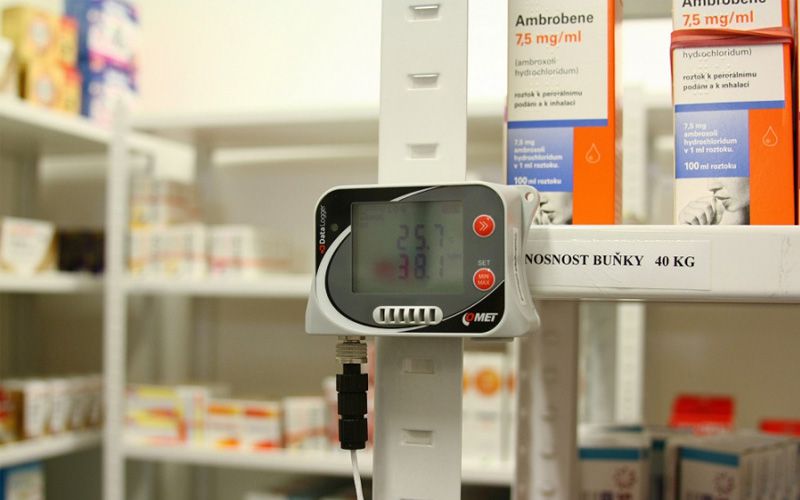
Each area within the warehouse has its own requirements. Cool warehouses operate at approximately 8 to 15 degrees Celsius. Cold storage and refrigerators for preparations such as injectable drugs or vaccines need to maintain temperatures between 2 and 8 degrees Celsius. Specialized freezer warehouses require even lower temperatures, not exceeding -10 degrees Celsius. For room-temperature storage areas, temperatures can rise to 30 degrees Celsius during unusual periods, provided a continuous monitoring system is in place.
Why do improper environments damage medications?
High humidity causes tablets to absorb moisture, powders to clump, and syrups to change in concentration. Some biological or enzymatic drugs lose their activity rapidly when exposed to humid air for extended periods. High temperatures promote decomposition reactions, shortening the actual shelf life. When temperature and humidity exceed limits simultaneously, microorganisms easily grow, creating conditions for drugs to spoil sooner than expected.

For injectable drugs, vaccines, insulin, or biological products, improper storage conditions can lead to loss of effectiveness and potential safety risks. This is why many organizations are switching to automated environmental monitoring methods instead of manual checks.
Temperature and humidity monitoring solution for pharmaceutical warehouses.
Sensory environmental monitoring alone is insufficient to meet current operational standards. Equipping with temperature and humidity measurement devices that provide real-time data is essential, especially for pharmaceutical warehouses, GPP-certified pharmacies, or distribution centers.
EMIN currently distributes a wide range of widely used devices for recording and monitoring the pharmaceutical warehouse environment. These devices are suitable for various scales, from retail pharmacies to central warehouses.
The Testo 623 is a compact temperature and humidity monitor that can be easily placed on a cashier's counter or mounted on a wall. It provides clear digital readings, making it suitable for pharmaceutical retail environments.
The PCE THB 30 is a portable temperature and humidity meter, ideal for quick monitoring at various locations within a warehouse, allowing staff to check the environment during their shift.
The Testo 176 H1 is a long-term temperature and humidity data logger suitable for large pharmacies or warehouses requiring daily, weekly, or monthly data logging for GSP record keeping.
These devices support continuous monitoring, display easy-to-read readings, and can store data for auditing or management purposes.
Manage the storage environment even when medications are at home
Not only at pharmacies or drugstores, but also at home, users need to pay attention to how they store medications. Medications should not be kept in car trunks, bathrooms, or kitchens due to temperature and humidity fluctuations caused by daily activities. A cool, well-ventilated space, away from direct sunlight, and maintaining the original manufacturer's packaging are simple yet effective guidelines.
When traveling with medication, prioritize areas with a stable environment. If the medication requires refrigeration, using a cooler or cooling accessory will help reduce the risk of changes in its effectiveness during transport.
Environmental conditions are fundamental to ensuring the quality of medications from storage to the end user. Monitoring temperature and humidity with appropriate equipment is a sensible choice if you want to proactively control the storage environment in real time. The measuring devices distributed by EMIN help realize this requirement, from small pharmacies to large pharmaceutical warehouses, providing clear data for industry-standard management.




