
For full functionality of this site it is necessary to enable JavaScript.
EMIN.VN
0

Top Common mistakes when using current transformers

17/02/y 11:07:33

In an environment working with high-voltage power grids, you surely understand that controlling and measuring electric current is extremely important. Current transformers (CTs) can help reduce high voltage current to a safe level, still ensuring efficiency and stability for the entire system. But is just choosing a quality CT enough?

In fact, even if you own an "expensive" current transformer, incorrect installation and connections can make things risky. A small error in this process can reduce performance and even cause safety for equipment and people. Therefore, choosing the right type of current transformer, correct installation and proper operation are key factors in ensuring the safety and long-term efficiency of the electrical system.
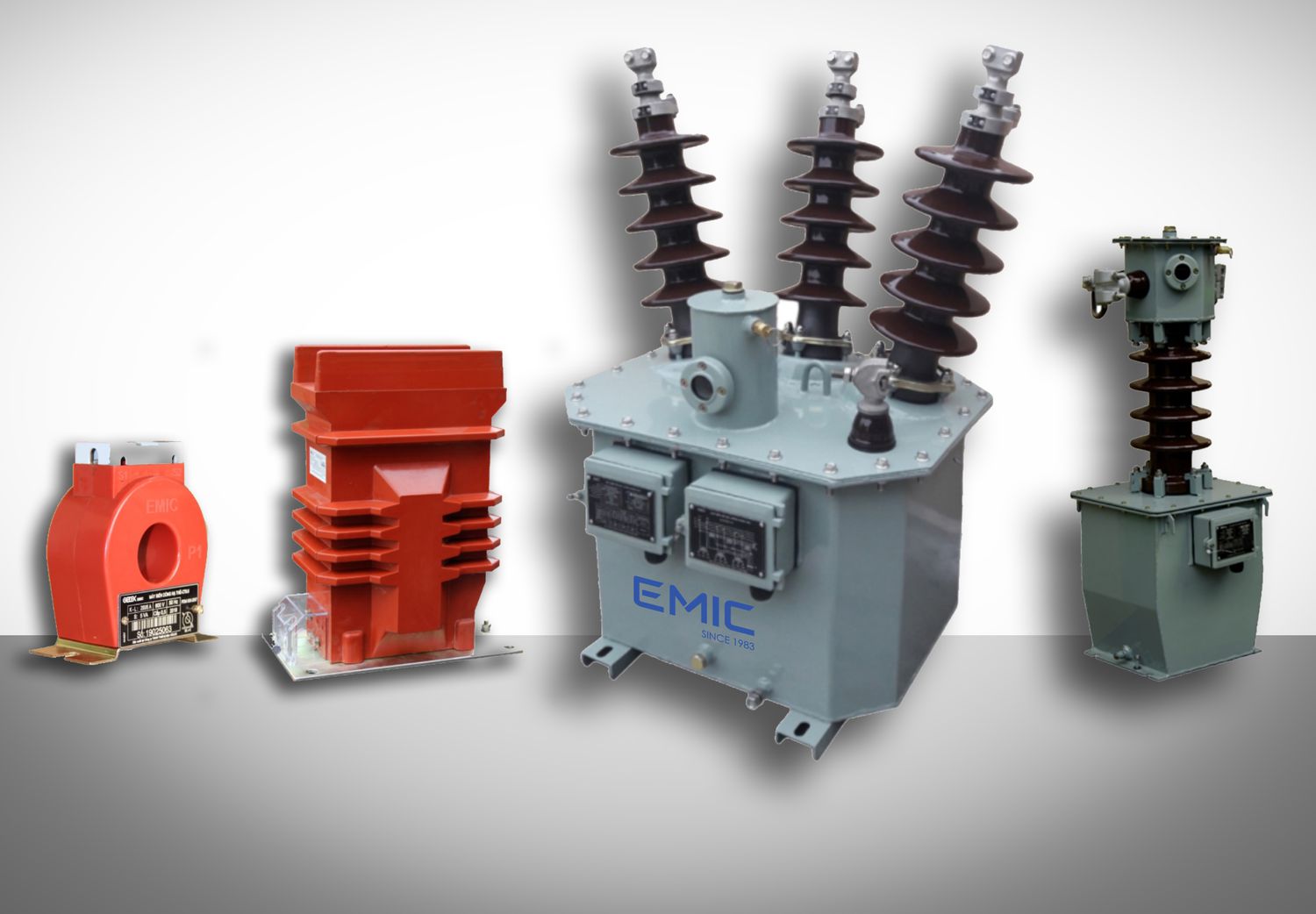
Error when determining CT load
The load of the current transformer is the device that receives the voltage from the CT output, which can be either linked or inductive. In many cases, the load value is set higher than reality to ensure safety or copied from old documents without being re-checked. This causes the CT core to be stretched beyond its limit, reducing the life of the measuring device and risking damage when overloaded. At the same time, inappropriate loads also distort measurement results, affecting the accuracy of the entire system.

It is very dangerous when the CT circuit is open

The CT circuit must always be kept closed. When exposed, the back Emf voltage will spike according to Lenz's principle, creating extremely high voltage levels. This not only puts the operator at risk of shock, but in many cases can also lead to fire and explosion. Small mistakes in handling can have serious consequences, so you need to be especially careful when working with CT.

Consequences of wrong connection  

Using poor quality wires or improper connections can permanently damage the current transformer. Some common errors include leaving the CT circuit open or miscalculating the ground point, which directly affects the performance and durability of the device.

Confusion between protection CT and measurement CT

The protective CT is designed to withstand large fault currents. If this type is used for measurement under normal conditions, the meter will not be able to accurately record current.  

Not only that, the protection CT core has a much higher saturation point than the measurement CT. When a problem occurs, the core is not saturated even when the current suddenly increases, causing the meter to endure an overload current 10-20 times the rated level, causing serious damage.

Deficiency in current transformer grounding

When operating multiple current transformers, each CT is usually grounded separately. However, this approach can be potentially dangerous. It is important to ground the secondary ground of the current transformer at a single point. Grounding at multiple points does not cause any problems under normal conditions, but when a fault occurs, the voltage at the ground points will increase unevenly. This causes the current flowing through the CT circuit to not reflect the correct primary current, leading to the relay detecting an error and automatically disconnecting, even though there is actually no problem.


ຂ່າວທີ່ກ່ຽວຂ້ອງ

The scent of new wood in a newly handed-over apartment: How to measure and address formaldehyde (HCHO) levels before moving in
14/11/y 10:28:19

Many people refer to the pungent, acrid odor that emerges when opening a new cabinet as the "smell of new wood," assuming it will simply dissipate after a few days. In reality, however, what is being released could well be formaldehyde—a substance originating from the adhesives used in the pressed-wood panels—and our sense of smell is not a reliable enough gauge to determine the concentration levels present

Guide to Selecting a TCLP Toxicity Characteristic Leaching Procedure Shaker Configuration in Compliance with QCVN 07:2025/BNNMT and TCVN 9239:2012
13/11/y 17:23:39

Regulation QCVN 07:2025/BNNMT (replacing QCVN 07:2009/BTNMT and QCVN 50:2013/BTNMT) specifies hazardous waste and sludge thresholds based on leachate concentrations. To ensure that analytical results for heavy metals and organic compounds are accepted during ISO/IEC 17025 or VIMCERTS assessments, laboratories must comply with the Toxicity Characteristic Leaching Procedure (TCLP) specified in TCVN 9239:2012, which is equivalent to US EPA Method 1311

Checking the Temperature of Paint and Coating Surfaces After Curing Using an Infrared Thermometer
13/11/y 16:11:22

An infrared thermometer allows surface temperature measurement without direct contact, making it suitable for products coming out of curing ovens or surfaces that are difficult to access. However, to ensure reliable results for production quality control, it is important to understand the measurement principle and the factors that affect measurements on painted and coated surfaces.

Crowded Gyms and Yoga Studios: How to Manage Air Quality to Retain Members
13/11/y 15:07:40

Around 6 or 7 in the evening, the gym becomes packed; the music drowns out the sound of heavy breathing, and the air conditioning runs at full blast behind closed doors. At first glance, everything seems fine: the room is cool, the lights are bright, and the equipment is state-of-the-art. Yet, after just a few sessions, regular members begin to feel a heavy-headedness and find themselves running out of breath more quickly eventually, they simply stop renewing their memberships. No one complains about the personal trainers or the exercise machines. The very thing that makes them feel stifled and drives them away is something entirely invisible: the air inside the room

ຕິດຕາມຂ່າວສານ ແລະ ຂໍ້ສະເໜີ

ຮັບສ່ວນຫຼຸດພິເສດຕາມປະລິມານ, ອັບເດດລາຄາຂາຍສົ່ງ ແລະ ການແຈ້ງເຕືອນສິນຄ້າໃໝ່ສົ່ງກົງເຖິງອິນບັອກຂອງທ່ານ.

ໂດຍການສະໝັກສະມາຊິກ, ທ່ານຍອມຮັບ ເງື່ອນໄຂການໃຫ້ບໍລິການ ແລະ ນະໂຍບາຍຄວາມເປັນສ່ວນຕົວ ຂອງພວກເຮົາ.

ການຊ່ວຍເຫຼືໍາດ່ວນ

ເຂົ້າເຖິງຜູ້ຊ່ຽວຊານທີ່ໄດ້ຮັບການຢັ້ງຢືນຂອງພວກເຮົາໂດຍກົງ


