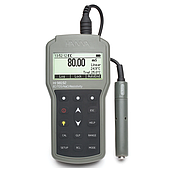
During the construction and maintenance of manholes, underground pipelines, and sealed tanks, the risk of asphyxiation or acute poisoning due to contaminated air remains a top hazard. Confined spaces inherently accumulate dangerous gases generated from organic decomposition or accumulated chemical reactions over time. Subjectively stepping down to inspect without prior environmental testing is the direct cause of many severe occupational accidents. Consequently, compliance with the minimum 3-minute air sampling protocol using a portable gas detector is essential to safeguard workers' lives.
Mechanism of Toxic Gas Trap Formation and Oxygen Depletion Hazards
Confined spaces such as sewers or industrial storage tanks suffer from extremely poor ventilation. Anaerobic microbial decomposition produces hydrogen sulfide (H2S)—an extremely dangerous gas capable of causing immediate olfactory paralysis and respiratory arrest at high concentrations. Furthermore, the accumulation of carbon monoxide (CO) from combustion equipment or methane (CH4) formed from sludge not only poses asphyxiation hazards but also presents an extreme fire and explosion risk upon contact with electrical sparks.
Even more dangerously, metal oxidation, microbial growth, or the displacement of oxygen by gases heavier than air can cause oxygen concentrations to drop below the safe threshold of 19.5%. An oxygen-deficient environment provides no clear sensory warning through smell, causing workers to quickly experience dizziness, loss of consciousness, and asphyxiation within just a few breaths.
Accurate Portable Gas Detection via the 3-Minute Rule
The 3-minute rule is not merely an arbitrary waiting period, but rather the precise technical time required for the gas detector to draw air, pass it through the sample tubing, and allow chemical reactions on the sensors to reach a stable state.
Sampling must strictly follow the stratified measurement method. The technician slowly lowers the sampling hose from top to bottom to evaluate the entire vertical space:
Top layer: Check for gases lighter than air, such as methane, accumulating directly beneath manhole covers or tank tops.
Middle layer: Check oxygen concentrations and floating carbon monoxide within the primary working zone.
Bottom layer: Check for gases heavier than air, such as hydrogen sulfide and carbon dioxide, settling at the lowest level.
At each sampling elevation, the probe must be held stationary for at least 1 minute to allow the intake pump to complete the gas sampling cycle into the measuring chamber. Hastily reading results immediately after dropping the sampling line leads to measurement inaccuracies, resulting in flawed safety assessments.
Controlling Safety Thresholds and Emergency Response Measures
Before authorizing personnel to enter a confined space, the readings on the gas detector must strictly satisfy all technical safety criteria:
Oxygen concentration: Maintained stably between 19.5% and 23.5%.
Combustible/Flammable gases: Measured values must remain below 10% of the Lower Explosive Limit (LEL) for methane.
Toxic gases: Hydrogen sulfide (H2S) concentration must not exceed 10 ppm, and carbon monoxide (CO) must not exceed 25 ppm.
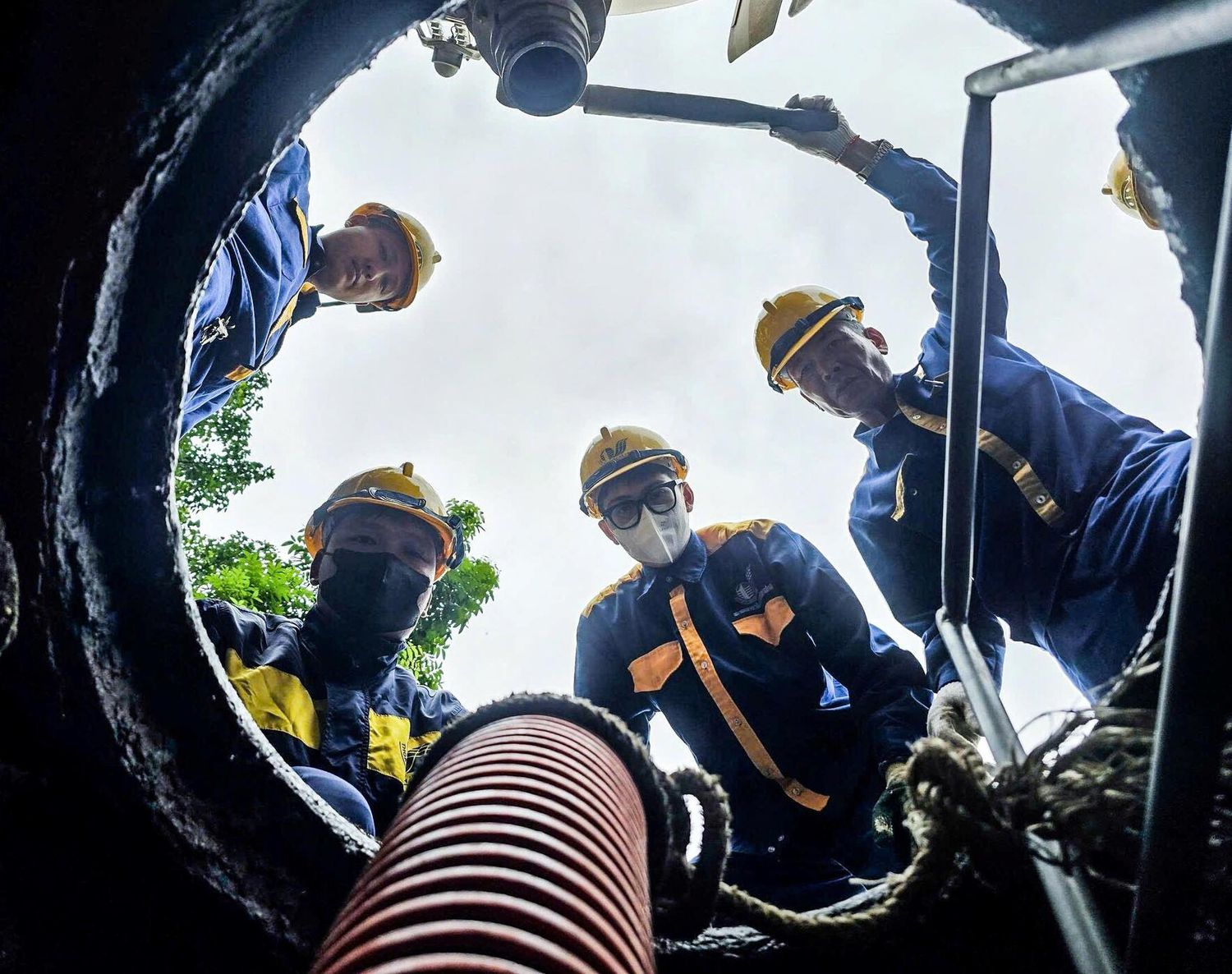
If any parameter exceeds permissible limits, entry into the confined space is strictly prohibited. The site must immediately deploy a forced ventilation system using high-pressure fresh-air blowers for a duration sufficient to purge all toxic gases. Following ventilation, technicians must re-execute the full 3-minute stratified measurement protocol. Only when the multi-gas detector confirms that the environment has reached a safe equilibrium are workers permitted to don full safety harnesses, respiratory protection equipment, and proceed with work.
Work must be organized under confined space operating protocols overseen by an experienced safety supervisor. Each work team must consist of at least two personnel maintaining direct communication or continuous signal line connection.
Emergency contingency plans must be established, including on-site first aid and emergency response capabilities. Health monitoring records must be maintained for all workers. While comprehensive worker safety infrastructure continues to be refined, supplementary educational and awareness campaigns targeting underground sewer workers should be implemented to minimize casualties and contribute to overall occupational safety and public security.
First Aid for Underground Sewer Workers Suffering Asphyxiation or Respiratory Toxicity
When conditions are unsafe to retrieve a victim from the hazard area, immediately notify the occupational safety management unit, call 114 for Fire Prevention, Fighting, and Rescue Services, and call 115 for emergency medical assistance. If the victim can be safely extracted from the hazard area, administer first aid while awaiting specialized emergency forces:
Move the victim to a well-ventilated area.
Assess vital signs, including pulse and breathing, while checking for physical trauma. If no pulse is detected, perform Cardiopulmonary Resuscitation (CPR). If the victim is not breathing, perform artificial respiration. If breathing is difficult, administer high-flow oxygen or other supportive respiratory measures.
Contact local medical facilities or healthcare authorities for further guidance and medical procedures.
Transfer the victim immediately to a medical care facility!