For full functionality of this site it is necessary to enable JavaScript.
EMIN.VN
0

What ORP index in water is good for health?

28/04/y 09:34:12

When it comes to assessing water quality, the ORP index is always of interest. But what is ORP really, what does it mean, how much is considered good and how to check this index most accurately! The article below will explain everything to you.

What is ORP index?

ORP - Oxygen Reduction Potential is an index that reflects the oxidation-reduction capacity of water, simply understood as the ability of water to donate or receive electrical charges from oxidizing substances present in it. This index can have either a negative (-) or positive (+) value and is measured in millivolts (mV).
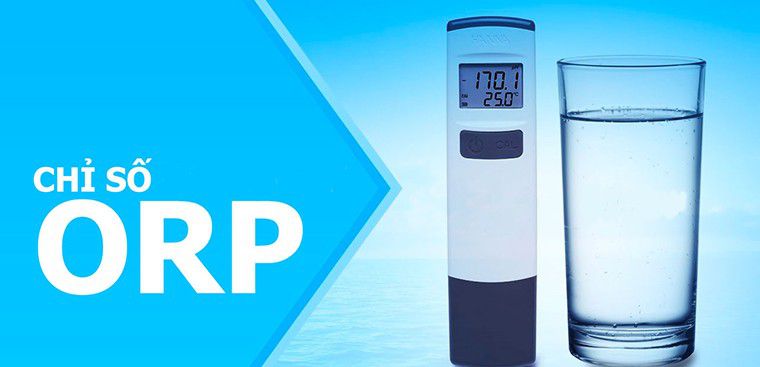
In the process of assessing water quality, ORP and pH are always considered two key factors. There is also a very close relationship between these two values:

When ORP is negative, the water exhibits strong reducing properties, the pH will be higher, and the water will be more alkaline. Conversely, if ORP is positive, the water has stronger oxidizing properties, and the pH will decrease, causing the water to become more acidic. Nowadays, to meet the demand for quicker and more convenient measurements, many pH meters have been integrated with ORP measurement functions, allowing users to easily monitor both indices simultaneously.

Reference: Measure ORP with an Oxidation Redox Meter?

What should the standard ORP level in water be?

The ORP index has long been considered an important factor in evaluating water quality. But specifically, at what level is ORP truly suitable, safe, and beneficial for health?

According to recommendations from the World Health Organization (WHO), a good ORP level for the human body should be below -500mV. Several scientific studies have also shown that the more negative the ORP value, the greater the health benefits. Water with a highly negative ORP can support the process of cellular rejuvenation and reduce the risk of diseases related to oxidation and aging, such as diabetes and cancer.
The reason is that when water has a negative ORP, it possesses strong reducing properties, helping to donate electrical charges to neutralize free radicals in the body. This process plays an important role in enhancing oxygen supply, supporting detoxification, and contributing to strengthening the body's natural immune system.

Today, research and application of ORP have been expanded into many fields, especially in healthcare and wellness with therapies using water rich in reducing properties, and in agriculture such as hydroponics and aquaculture, to create a better environment for natural development.

To measure the ORP index, you can refer to the following methods: What are the ways to make the redox meter achieve safety index?

Related Posts: What is an ORP oxidation reduction machine? What is the safe ORP oxidation reduction index in a water purifier?


ຂ່າວທີ່ກ່ຽວຂ້ອງ

Which products are tested using a -40°C to +150°C thermal shock chamber?
22/07/y 14:45:25

Automotive circuit boards, sensors, modules, and plastic components can all experience issues after repeated transitions between cold and hot environments. A thermal shock chamber operating from -40°C to +150°C enables the replication of these temperature fluctuations under controlled testing conditions.

Does thermal shock cause damage to electronic components?
22/07/y 10:40:49

An electronic component may operate stably under constant temperature conditions yet fail after repeated rapid transitions between hot and cold. The issue typically stems not from a specific temperature level, but rather from the rate of temperature change and the number of hot-cold cycles

The rigorous standards behind a multi-million-dollar MRI suite
21/07/y 14:54:01

An MRI system may be correctly installed and fully connected to the power supply, yet still encounter issues if the surrounding environment fails to meet technical specifications. Electromagnetic interference, RF shielding, power quality, grounding, temperature, humidity, and particulate levels are all factors that may require assessment, depending on the facility's design and the manufacturer's requirements.

Sinusoidal and Random Vibration: A Test Setup Guide for Industrial Engineers
21/07/y 10:30:38

During the operation of industrial machinery or the transportation of goods, persistent mechanical vibrations inevitably occur; these are a primary cause of material fatigue, loosened connections, and cracking in printed circuit boards (PCBs). To ensure product integrity before delivery to customers, R&D and QA/QC engineers must simulate these dynamic forces using vibration test systems.

Capacities of laboratory centrifuge tubes
20/07/y 13:55:40

Tubes with capacities of 0.2 ml, 1.5 ml, 15 ml, or 50 ml are commonly found in laboratories, yet each type is associated with specific sample categories and equipment configurations. DNA and RNA samples typically require small-volume microtubes; blood and cell samples often utilize 5 ml or 15 ml tubes; while large-volume processing workflows may require tubes of 50 ml, 100 ml, or greater capacity

ຕິດຕາມຂ່າວສານ ແລະ ຂໍ້ສະເໜີ

ຮັບສ່ວນຫຼຸດພິເສດຕາມປະລິມານ, ອັບເດດລາຄາຂາຍສົ່ງ ແລະ ການແຈ້ງເຕືອນສິນຄ້າໃໝ່ສົ່ງກົງເຖິງອິນບັອກຂອງທ່ານ.

ໂດຍການສະໝັກສະມາຊິກ, ທ່ານຍອມຮັບ ເງື່ອນໄຂການໃຫ້ບໍລິການ ແລະ ນະໂຍບາຍຄວາມເປັນສ່ວນຕົວ ຂອງພວກເຮົາ.

ການຊ່ວຍເຫຼືໍາດ່ວນ

ເຂົ້າເຖິງຜູ້ຊ່ຽວຊານທີ່ໄດ້ຮັບການຢັ້ງຢືນຂອງພວກເຮົາໂດຍກົງ