How to understand metal hardness
First of all, it is necessary to know what the metal hardness is. Metallic hardness is the ability of a metal to withstand compression or expansion when applied by an external force. This helps determine the quality and durability of products made from metal, which are widely used in the mechanical, machining, and manufacturing industries.
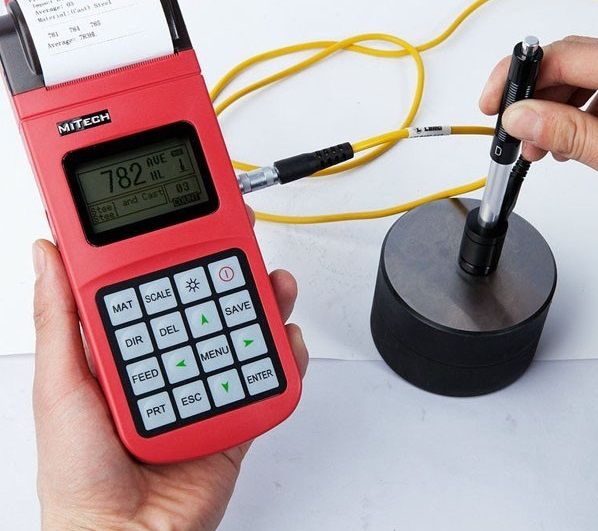
Common methods for measuring metal hardness include Vickers, Rockwell, and Brinell. These methods use a durometer to determine the hardness of a material. Normally, hardness measurement is performed in a laboratory with complete and modern equipment.
Why is it necessary to measure metal hardness?
Metal hardness helps determine the quality and durability of products made from metal, affecting the product's load resistance, wear resistance and deformation resistance. Therefore, during the production and processing process, hardness measurement is necessary to ensure the output quality of the product.
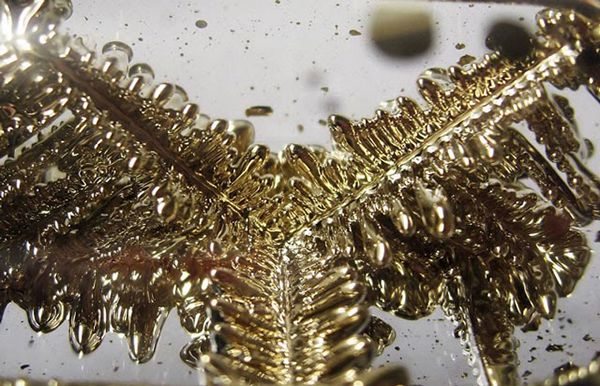
In particular, metal hardness is very important in the tool manufacturing and metal material processing industry. This parameter helps businesses manage and ensure product quality, and is applied in the production process and quality control of goods.
Total Meter HM-6560 metal hardness tester
The hardness tester that I want to introduce is HM - 6560. Handheld hardness tester HM-6560 with a separate probe is used to measure the hardness of metal workpieces. This equipment is widely used in manufacturing operations, making metal molds, inspecting bearings and other mass-produced parts on the production line.
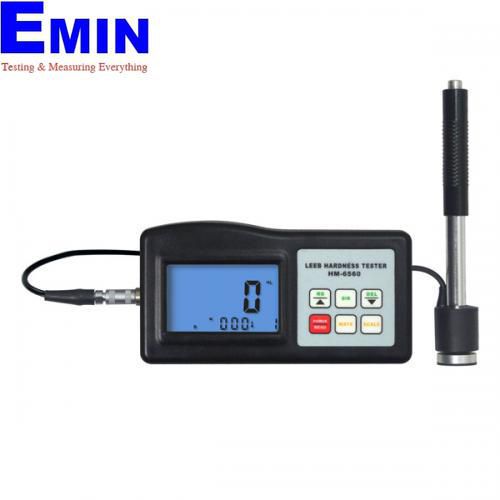
HM-6560 is a portable hardness tester with a compact size that fits in the palm of your hand, very convenient for narrow spaces and can perform testing at any angle, even upside down. The machine has an LCD screen that directly displays the hardness scales HRB, HRC, HV, HB, HS, HL. The machine's large capacity memory allows storing 50 groups of results, including single measurement value, impact direction, material and hardness scale.
Users can calibrate the machine when necessary. The HM-6560 also features manual or automatic shutdown, low battery indicator, and uses a USB/RS-232 data output for connection to a PC, along with a convenient Bluetooth data output option.
Refer to the product at: EMIN hardness tester
Conclude:
The article has helped you understand what metal hardness is and why you need to use a metal hardness tester. If you don't know where to buy genuine products at good prices, go to EMIN, we currently distribute hardness testers from many famous brands: Insize, UNI-T, HUATEC,...