For microbiology laboratories, the top priority remains using an oil-free vacuum pump combined with a liquid trap flask and an inline filter at the intake port. This setup helps prevent liquid from entering the pump while minimizing the risk of microbial dispersal during operations
Why are oil-free diaphragm pumps widely used in microbiology laboratories?
Diaphragm pumps operate via the oscillating motion of an elastic diaphragm to generate a vacuum, requiring absolutely no lubricating oil. This design eliminates the risk of oil vapors back-streaming into the intake line, ensuring a cleaner working environment and minimizing potential contamination of cell cultures or filtered solutions.
In addition to cleanliness, diaphragm pumps require less maintenance than oil-lubricated pumps. Users are spared the need for periodic oil changes and waste oil disposal, while equipment downtime for maintenance is significantly reduced.
For these reasons, the majority of microbiology, cell culture, and molecular biology laboratories today prioritize this type of pump.
Which type of pump should be chosen for working with solvents or acids?
Certain processes such as DNA or RNA extraction and sample treatment involving organic solvents generate chemical vapors capable of corroding standard materials.
Under these conditions, standard diaphragm pumps struggle to maintain durability during continuous operation. A more suitable solution involves chemical-resistant pumps featuring PTFE-coated diaphragms and pump heads. PTFE withstands a wide range of acids, alkalis, and solvents, ensuring stable, long-term performance even with frequent exposure to chemical vapors.
What additional accessories are needed for a vacuum pump used in a microbiology laboratory?
Even with the right pump selected, operational efficiency relies heavily on the accompanying accessory system.
A liquid trap is installed directly at the intake port to capture fluids before they enter the pump chamber. Even a small amount of liquid entering the pump head can shorten diaphragm lifespan, cause corrosion, or lead to total pump assembly failure if not addressed promptly.
Additionally, a hydrophobic PTFE microbiological filter is typically installed at the intake port to prevent microorganisms from entering the pump or being released back into the environment. Procedures involving bacteria, fungi, or clinical samples almost invariably utilize this type of filter to enhance safety for both the equipment and the laboratory.
How should a vacuum pump be used to minimize damage to the pump chamber?
The pump chamber is designed to generate a vacuum rather than come into direct contact with liquids. The front collection flask must be checked regularly and emptied before it becomes full to prevent the risk of liquid being drawn back into the unit. Even a single instance of liquid entering the pump chamber can significantly reduce the service life of the pump's diaphragms or valves.
After completing procedures involving moisture or solvents, the pump should be allowed to run idle for 15–30 minutes before being turned off. This period allows residual water and solvent vapors to be purged, keeping the pump chamber dry and minimizing corrosion during long-term use.
For what tasks in a microbiology laboratory are vacuum pumps used?
Laboratory vacuum pumps serve a wide range of applications rather than just a single function.
Sterile membrane filtration systems utilize pumps to filter culture media, chemicals, or solutions prior to experimentation. Many laboratories also employ pumps to aspirate supernatants following centrifugation, thereby reducing manual handling and minimizing the risk of cross-contamination between samples.
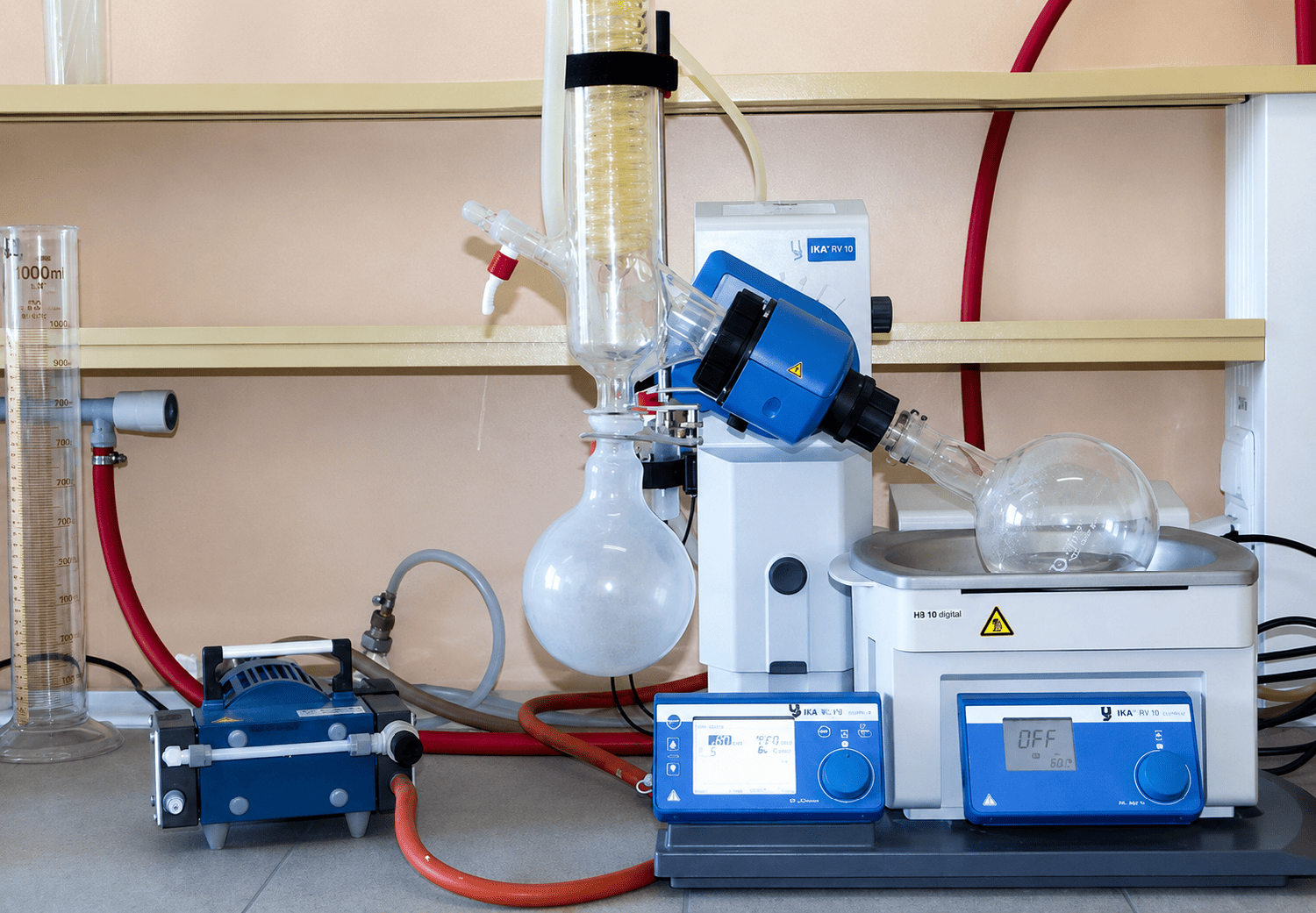
Furthermore, vacuum pumps are integrated into systems for sample concentration and freeze-drying, as well as in various instruments that require the maintenance of negative pressure during operation.
Do the pump's noise and vibration levels affect the laboratory?
Laboratories often house multiple high-sensitivity analytical instruments on a single bench or within a confined space.
A pump that operates noisily or vibrates excessively can disrupt the work environment and transmit unwanted vibrations to nearby equipment. Therefore, in addition to suction flow rate and ultimate vacuum, low noise levels, minimal vibration, and a compact footprint are important factors to consider when selecting a laboratory pump.
Frequently Asked Questions
1. Is an oil-lubricated vacuum pump suitable for a microbiology laboratory?
It can still be used in certain applications that do not involve direct contact with biological samples. However, most laboratories today prefer oil-free diaphragm pumps to minimize the risk of oil vapors affecting samples and to reduce routine maintenance requirements.
2. How often should the microbial filter be replaced?
The replacement interval depends on usage frequency and the type of samples processed. Inspect the filter periodically and replace it immediately if it shows signs of moisture, discoloration, or clogging to maintain stable suction and protect the pump.
3. Is a liquid trap required for the vacuum pump?
While not technically mandatory, a liquid trap is almost always recommended in microbiology laboratories. It prevents liquid from entering the pump chamber, significantly reducing the risk of equipment damage and minimizing future repair costs.