Over time, an H₂S sensor may gradually lose sensitivity, respond more slowly, or fail to meet calibration requirements. If these issues go unnoticed, measurement accuracy can be compromised, potentially affecting the reliability of toxic gas monitoring and workplace safety programs.
This problem is commonly encountered in wastewater treatment plants, sewer systems, sludge storage facilities, oil and gas operations, and chemical processing plants—environments where hydrogen sulfide may be present continuously or intermittently.
How Does an H₂S Sensor in a Multi-Gas Detector Work ?
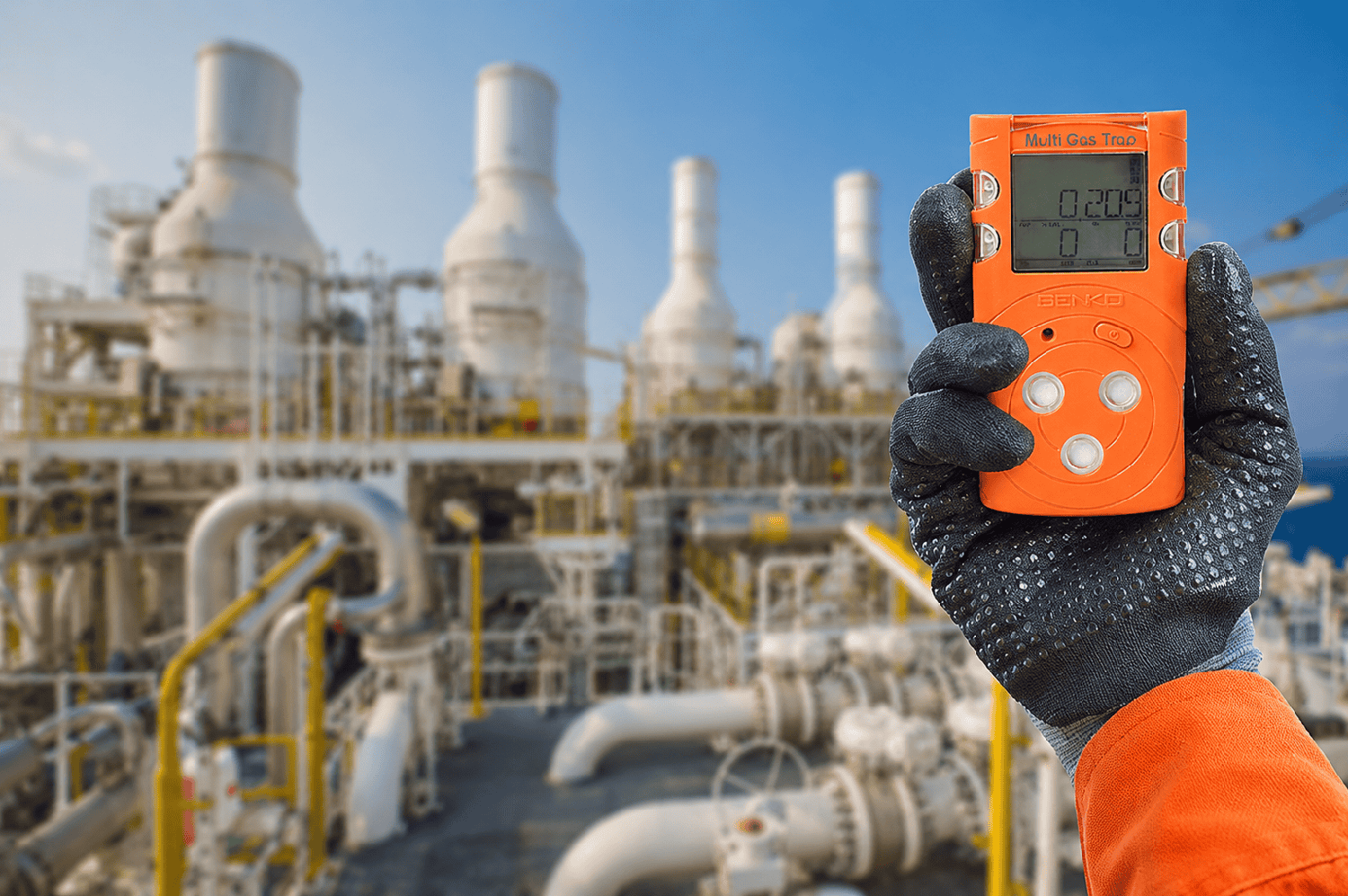
Most modern multi-gas detector use electrochemical sensors to detect hydrogen sulfide (H₂S).
When H₂S enters the sensor, an electrochemical reaction takes place inside the sensing cell, generating an electrical current proportional to the gas concentration. The instrument's electronics then convert this signal into a gas concentration reading displayed on the screen.
Electrochemical sensors offer several advantages, including high sensitivity, low-level gas detection capability, and low power consumption. However, the materials involved in the sensing process gradually degrade over time. For this reason, the service life of an H₂S sensor is typically shorter than the overall lifespan of the gas detector itself.
Common Causes of Premature H₂S Sensor Failure
Exposure to High H₂S Concentrations
When a air quality meter is repeatedly exposed to elevated H₂S levels or experiences sudden gas release incidents, the reactive materials inside the sensor can be consumed more quickly than intended.
In some cases, the sensor may continue displaying readings while its accuracy deteriorates significantly. In more severe situations, prolonged exposure to excessive gas concentrations can result in a complete loss of sensitivity.
High Humidity Accelerates Sensor Aging
Areas where H₂S is present are often characterized by high humidity.
Wastewater treatment facilities, water storage structures, drainage systems, and sludge processing areas are common examples. Moisture can penetrate the sensor structure, affecting electrochemical reactions and accelerating the degradation of internal materials.
Prolonged exposure to humid conditions not only impacts the H₂S sensor itself but may also increase the risk of corrosion in associated electronic components.
Chemical Poisoning of the Sensor
Certain industrial chemicals can damage gas sensors even at relatively low concentrations.
Silicone-containing compounds, organic solvents, paint vapors, aggressive cleaning agents, and some sulfur-based chemicals can react with the sensor's electrode surfaces. As contamination accumulates, the sensor's ability to detect H₂S gradually declines.
Because this process often occurs slowly, the loss of performance may not become apparent until calibration problems begin to appear.
Lack of Calibration and Routine Testing
An H₂S sensor can gradually lose sensitivity without producing any obvious warning signs.
Without regular bump testing and calibration, users may not realize that the sensor is no longer providing accurate measurements. In many cases, the detector still displays readings that appear normal, but its response becomes slower or less representative of actual gas concentrations.
Improper Storage Conditions
Multi-gas detectors are frequently stored in service vehicles, shipping containers, or equipment storage areas near industrial sites.
Prolonged exposure to high temperatures, excessive humidity, or chemical vapors can significantly reduce sensor life. Even when the air quality meter is not in use, chemical processes within an electrochemical sensor continue to occur, causing gradual aging over time.
As a result, poor storage conditions can shorten the sensor's useful life even before it returns to service.
End of Design Life
Every H₂S sensor has a finite service life specified by the manufacturer.
For most portable gas detectors, H₂S sensor life typically ranges from two to five years, depending on sensor design, operating conditions, and usage patterns.
As the sensor approaches the end of its service life, signal stability begins to decline. While calibration may temporarily restore acceptable performance, it cannot fully recover the sensor's original characteristics.
How Can You Extend the Life of an H₂S Sensor?
Sensor longevity depends heavily on proper use and maintenance practices.
Leakage detector should be calibrated according to the manufacturer's recommended schedule. Bump testing should be performed before entering areas where toxic gas exposure is possible.
After use in environments with elevated H₂S concentrations, the detector should be placed in a clean, well-ventilated area to allow the sensor to stabilize before storage.
Users should also avoid prolonged exposure to paint vapors, solvents, and corrosive chemicals. Storing the instrument in a protective case, in a dry environment with stable temperatures, can significantly extend sensor life.
For facilities that operate continuously in wastewater treatment, chemical processing, or similar industries, maintaining records of calibration history and sensor age can help ensure that replacements are planned before measurement accuracy is affected.
Proper sensor management not only reduces replacement costs but also helps maintain the reliability of gas detection systems, ultimately improving worker safety in industrial environments.