Applications that can be run on popular devices
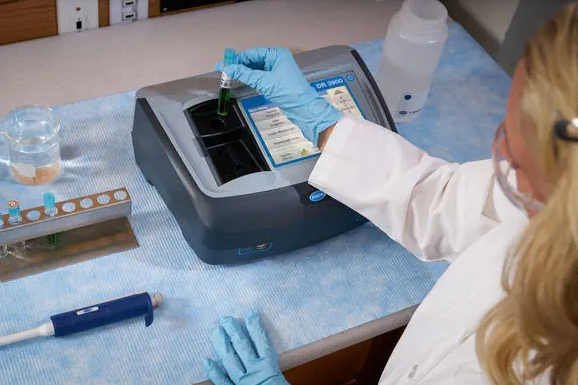
Spectrophotometers have many important applications, including:
- Determine the concentration of colorless or colored solutes in the fluid.
- Determine reaction rate by measuring the rate of creation and disappearance of substances.
- Used in forensic science to analyze evidence.
- Applied in molecular biology, it is possible to check the growth of microorganisms such as bacteria that cannot be seen with the naked eye.
- UV spectrophotometer is used in the pharmaceutical industry to determine drug ingredients.
- Used in the food or paint industry to check product quality
- Check water quality, analyze residues and fertilizers in water
- Analysis of spring and miracles in the medical field
- Detect impurities in the compound base
- Check metal structural components such as gold, steel, aluminum, copper
Why is it necessary to maintain the spectrometer?
There are two main reasons why you should maintain your spectrophotometer. Specifically:
Ensure accurate analysis results:
Over time, the device may produce inaccurate analysis results. In scientific experiments, inaccuracy means wasted effort. Regular maintenance of the spectrometer will help the instrument provide analytical results at the highest level of accuracy.
Detect and fix problems early:
During maintenance, signs of damage will soon be detected. From there, technicians will provide reports suggesting solutions. This helps prevent more serious damage to the machine, reduces repair costs and at the same time increases the lifespan of the device itself.
Spectrometer maintenance steps
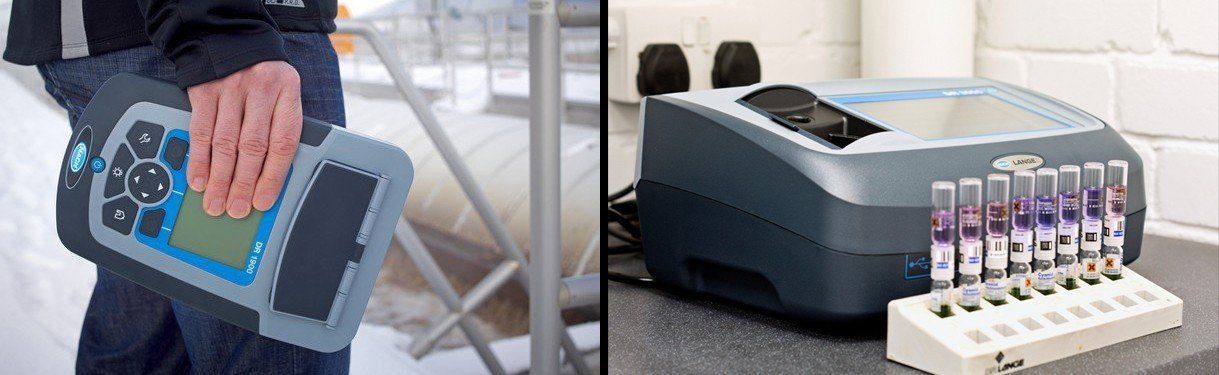
1. Check and diagnose gas, electrical, spectrum connections:
Make sure all connections are working properly and have no damage.
2. Clean the lens and optical system:
Clean the lenses and optical system components to ensure no dirt or dust will affect the analysis results.
3. Clean the sample platform and align the electrode:
Make sure the sample platform is clean and the electrodes are properly aligned.
4. Clean Entrance slit and spectroscopy chamber (if necessary testing conditions:
Clean these parts to ensure there are no residues that affect the spectroscopy process.
5. Clean and change vacuum pump oil:
Ensure the vacuum pump operates efficiently by cleaning and changing the oil periodically.
6. Clean and change waste filter oil:
Make sure the exhaust filter is working properly by cleaning and changing the oil as necessary.
7. Overall cleaning of the device
Clean the entire device to ensure there is no dirt or residue that will affect performance.
8. Adjust device parameters:
Ensure device parameters are properly calibrated to maintain measurement accuracy.