Nearly 90 years after the introduction of that lamp, the company's technology remains integral to production lines for electrical and electronic equipment, automobiles, medical devices, power cables, and numerous other industries.
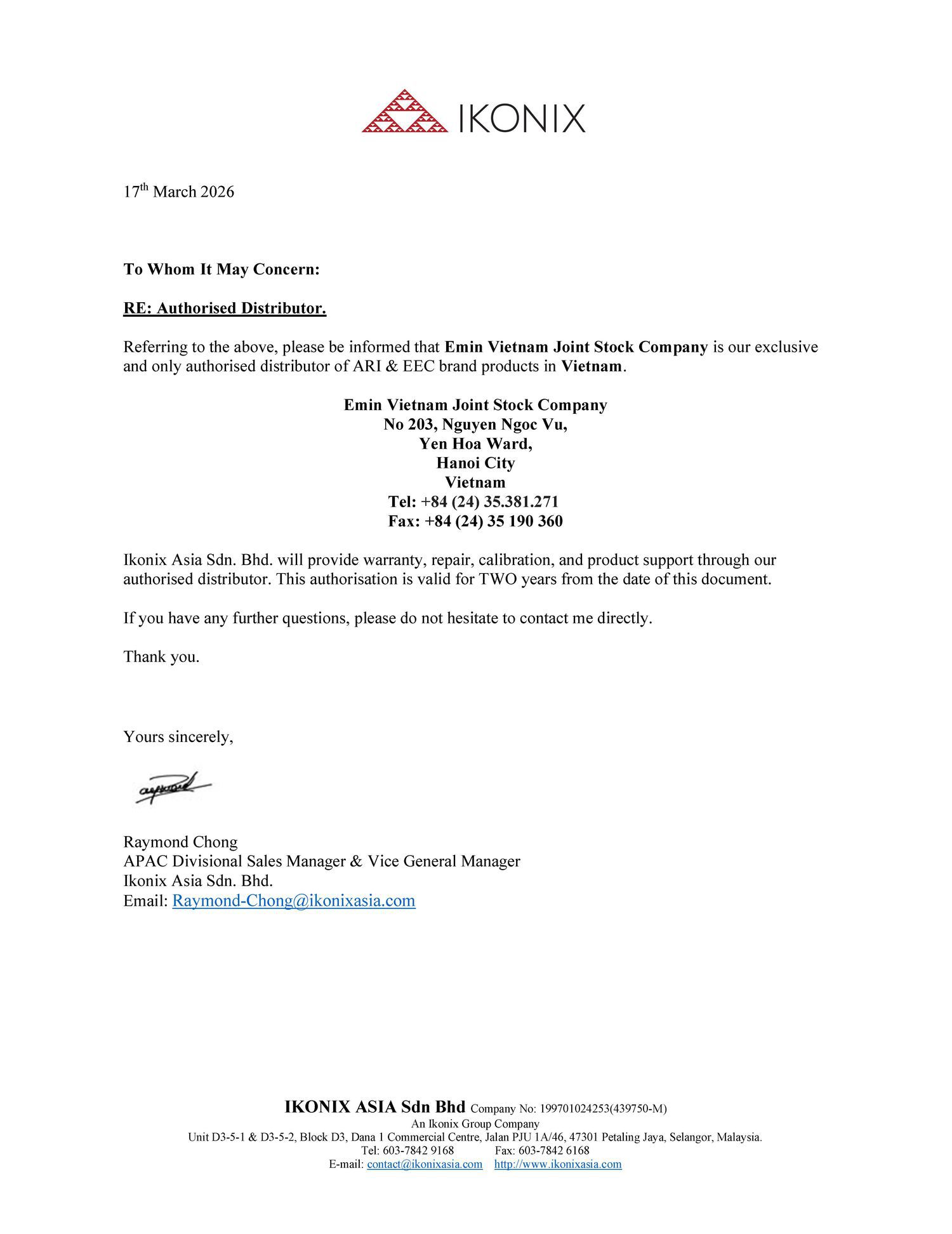
In Vietnam, EMIN is an authorized direct distributor for Associated Research (an IKONIX brand), offering the complete Hypot®, HypotULTRA®, and HypotMAX® product lines, alongside technical support, calibration services, and a 5-year manufacturer's warranty.
Which country is Associated Research from? Why does this brand appear in so many documents regarding electrical safety?
Associated Research was founded in the United States in 1936. At that time, the demand for electrical safety testing was rising rapidly, yet most manufacturers were forced to devise their own testing methods or rely on non-standardized equipment.

Shortly after successfully introducing the first battery-operated insulation resistance tester, Associated Research developed the AC Hipot the world's first commercial dielectric withstand voltage tester.
The advent of the AC Hipot revolutionized product insulation testing. Beyond simple resistance or continuity checks, manufacturers could now apply voltages far exceeding normal operating levels to verify that the insulation remained capable of protecting users.
This method was quickly incorporated into electrical safety standards and remains widely used today. Associated Research is currently part of IKONIX, a US-based group specializing in the development of industrial test and measurement solutions.
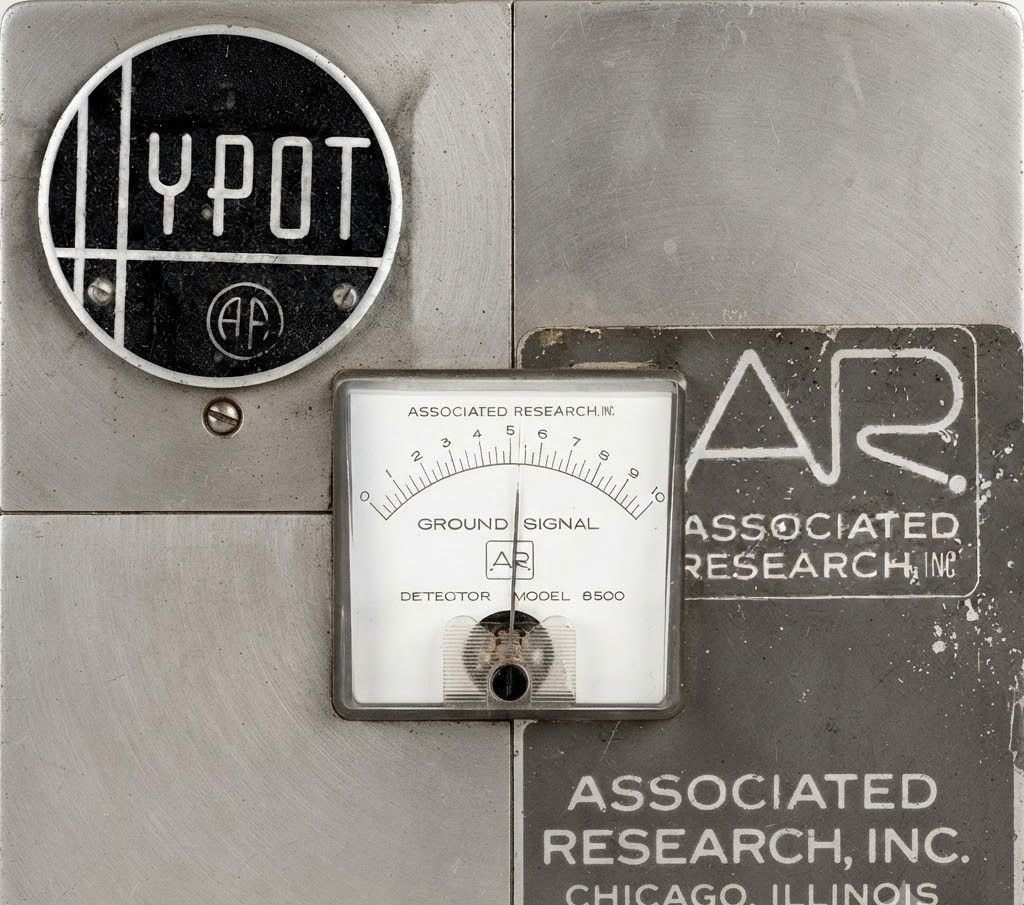
What problem was the first electrical safety tester created to solve?
The fact that a product functions normally does not necessarily mean it is safe; this is where Hipot testers come into play.
While a multimeter can measure voltage, current, and resistance or check for continuity, it cannot generate the high voltage levels required to evaluate the withstand capability of insulation.
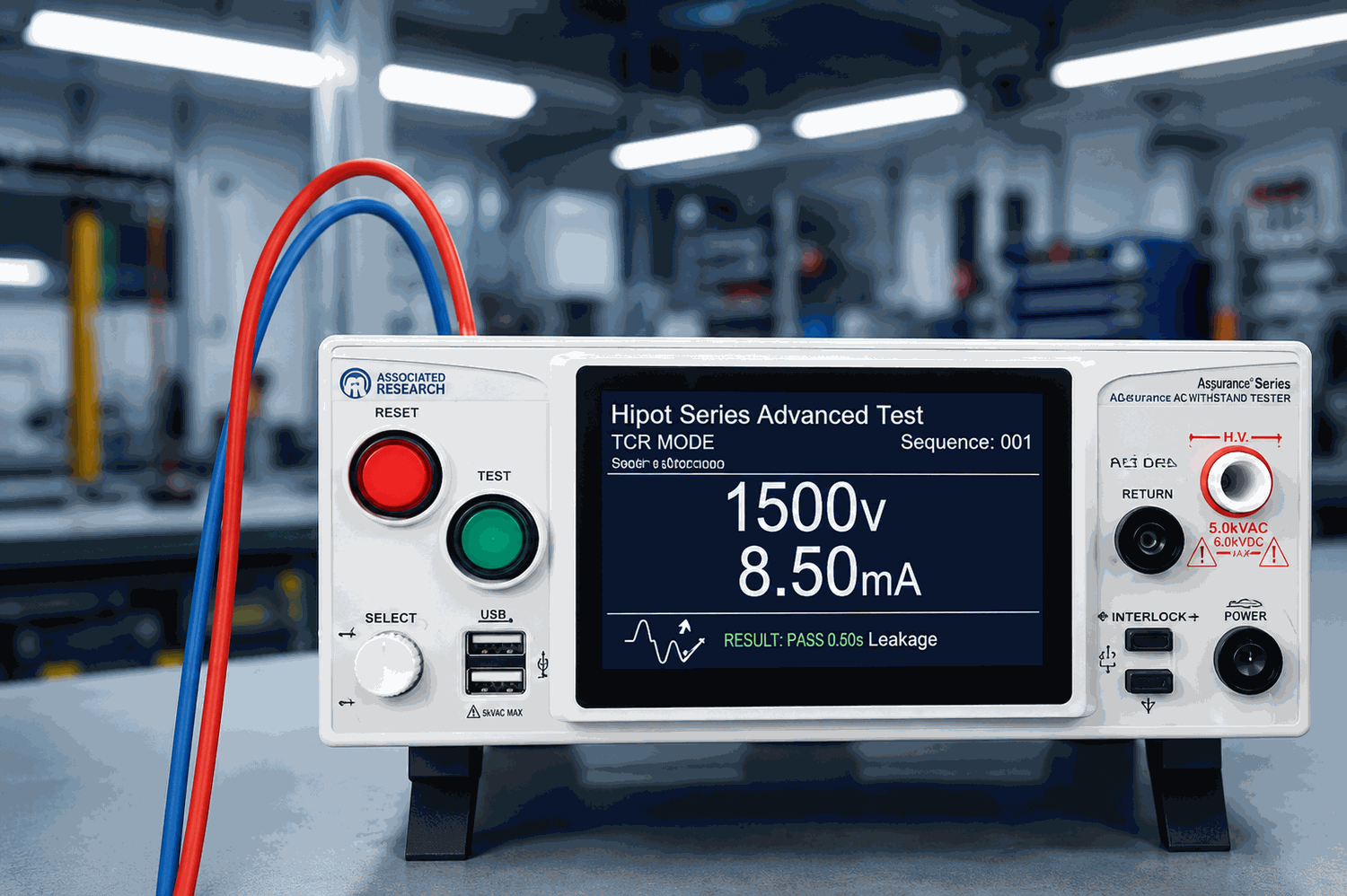
Minor wire nicks, substandard insulation coatings, or insufficient creepage distances can often pass routine checks. However, when the device operates at high voltages or in harsh environments, these weaknesses can manifest as electrical leakage or insulation breakdown.
Hipot testers were developed to detect precisely these risks before products leave the factory. Today, Hipot testing has become a mandatory requirement for many global electrical safety standards.
The multimeter has already measured the voltage; why does the production line still need to perform a Hipot test?
This question arises frequently when businesses invest in electrical safety testing lines. In reality, the two devices serve entirely different purposes.
A multimeter allows engineers to check the operational status of an electrical circuit. In contrast, a Hipot tester simulates much harsher conditions by applying high voltage to the product for a specified duration to evaluate the resilience of the insulation system.
This distinction determines the ability to detect faults; a product might function normally on a standard test bench yet fail a Hipot test due to insulation weaknesses that conventional measurements cannot detect.
Consequently, many production lines perform both testing steps rather than choosing just one.
Arc Detection and SmartGFI emerged from practical needs on the production line
Hipot testing involves very high voltages, where even a minor arc discharge can skew test results or damage the product.

Associated Research has developed Arc Detection technology to identify abnormal discharges the moment they begin to occur, allowing the instrument to halt the test before an arc escalates into a major failure.
Additionally, SmartGFI® technology is integrated to enhance operator protection in the event of unintended leakage current. These two technologies are now considered standout features across many of the company's Hipot tester models.
What are the differences between Hypot, HypotULTRA, and HypotMAX?
Manufacturers of consumer electrical appliances typically focus on AC Hipot, DC Hipot, or insulation resistance tests. The Hypot® Series is well-suited to these requirements thanks to its simple interface and fast testing times.
Increasing data volumes have created a need to manage results by serial number or product code, as well as to integrate with MES systems. The HypotULTRA® Series was developed for such production lines, offering data storage, barcode scanning, integrated Ground Bond testing, and various automation capabilities.
Testing at voltage levels beyond standard limits is the domain of the HypotMAX® Series. These units support ultra-high voltage testing for R&D facilities, materials testing laboratories, and specialized industrial applications.
To learn more about each product line, you can consult the article What are the differences between Hypot, HypotULTRA, and HypotMAX? to select the right equipment for your business needs.
Associated Research products are officially distributed by EMIN in Vietnam.
The full range of Associated Research Hipot testers is now available at EMIN. Customers can choose from the Hypot®, HypotULTRA®, and HypotMAX® series, all backed by comprehensive technical documentation, CO and CQ certificates, and direct support from EMIN’s team of engineers.
A standout feature highly valued by many businesses is Associated Research’s warranty policy offering up to 5 years of coverage on various product lines available exclusively through EMIN.
You can view the product lines here:Associated Research Electrical Safety Testers
We hope this article has provided you with a better understanding of Associated Research's history, the reasons why it remains a preferred choice for many businesses, and how the Hypot®, HypotULTRA®, and HypotMAX® product lines cater to various electrical safety testing needs. Should you require advice on selecting the right model or wish to learn more about Associated Research's electrical safety testing solutions, EMIN is always ready to assist you.