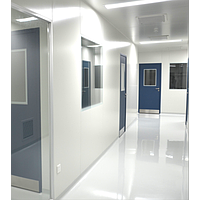
Clean Room Wall Panels
In controlled environments, the wall system does far more than divide space. It helps maintain hygiene, supports routine cleaning, contributes to airflow management, and creates a stable enclosure for processes that are sensitive to dust, particles, and contamination. That is why selecting the right Clean Room Wall Panels matters in pharmaceutical production, microelectronics, laboratories, and other precision facilities.
This category focuses on panel solutions designed for cleanroom construction and fit-out, where surface finish, core material, cleanability, and installation method all affect long-term performance. Whether you are planning a new room, upgrading an existing line, or comparing panel structures for specific applications, it is useful to evaluate wall panels as part of the wider cleanroom system rather than as a standalone building material.
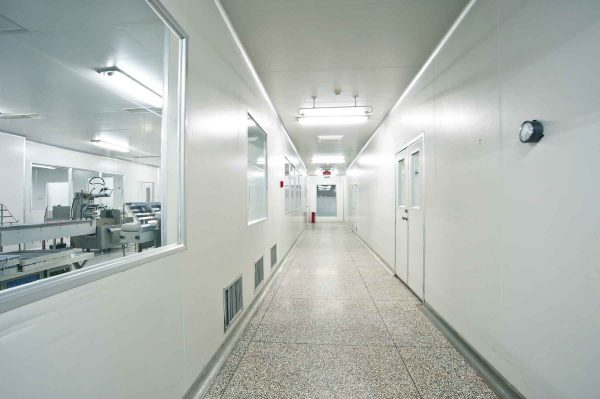
Why wall panels are important in cleanroom construction
A cleanroom enclosure needs smooth, durable, and easy-to-maintain surfaces. Wall panels help create this controlled boundary while supporting practical requirements such as washdown routines, resistance to repeated cleaning, and compatibility with hygienic design principles. In many projects, the panel system also influences installation speed, future modification, and maintenance access.
Compared with conventional wall finishes, cleanroom panel systems are typically selected for more consistent surface quality and better suitability for contamination-controlled spaces. They are commonly used in production rooms, preparation areas, packaging environments, research spaces, and technical zones where cleanliness and operational discipline need to be sustained over time.
Typical applications across different industries
Application requirements can vary significantly from one cleanroom to another. In microelectronics, panel selection often prioritizes low particle generation, antistatic considerations, and lightweight structures that still provide sufficient rigidity. For pharmaceutical and life science environments, the focus is often on surfaces that can withstand repeated cleaning and disinfection without compromising the integrity of the partition system.
Clean room wall panels are also relevant in support spaces connected to controlled areas, including transfer zones, change areas, and process interfaces. When used together with equipment such as an air shower at personnel entry points or a ventilation chamber for airflow-related control, the panel system becomes part of a broader contamination management strategy.
Common panel structures and material considerations
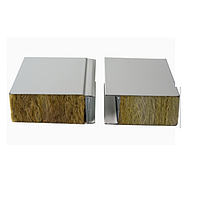
One of the main differences between cleanroom wall panels is the combination of outer surface material and inner core. Depending on the design target, panels may be configured with coated steel or stainless steel surfaces, along with core options such as mineral wool, honeycomb, paper honeycomb, expanded polystyrene, plaster, or other specialized structures. Each combination can influence fire behavior, weight, cleanability, rigidity, and suitability for specific room conditions.
For example, the ShiZu range in this category includes solutions such as the ShiZu WP-ST01 Cleanroom Wall Panels, developed for cleanroom divider applications across multiple industries. The available structure and surface choices make this type of product relevant when a project needs to balance hygienic performance with installation practicality and application-specific requirements.
Examples from this category
Some projects need standard wall partition panels, while others need insulated panels with additional thermal or fire-related characteristics. A good example is the ShiZu WP-ST01 Cleanroom Wall Panels, which are intended for clean room divider use and can be adapted to different cleanroom design applications. This makes them suitable for projects where room layout, maintenance procedures, and process type all need to be considered together.
Another representative product is the ShiZu RW-ST01 Rockwool Panel. With a mineral wool core and metal surface options, this type of panel is relevant where insulation and structural enclosure performance are part of the specification. Rather than viewing it only as a building panel, it is more useful to see it as a component within a controlled environment envelope that must support cleanliness, durability, and operational consistency.
How to choose the right clean room wall panels
Selection usually starts with the process environment. Consider how often the walls will be cleaned, what chemicals may be used, whether moisture resistance is needed, and whether the room is exposed to frequent personnel movement or equipment contact. Surface finish and joint design are especially important in spaces where easy cleaning and reduced particle retention are priorities.
It is also important to review the panel core, thickness, and structural role in the build. Some projects prioritize low weight and simple installation, while others require higher robustness, fire-resistant materials, or specific insulation characteristics. If the cleanroom includes process stations such as a clean bench or containment equipment like biological safety cabinets, wall panel selection should align with the cleanliness level and workflow expected in those adjacent areas.
Integration with cleaning and maintenance practices
Wall panels are not only chosen for installation day; they are chosen for years of operation. In many cleanrooms, regular wipe-down procedures, sanitation cycles, and visual inspections place ongoing demands on the wall surface. A panel that is easy to clean and resistant to routine maintenance procedures can help reduce downtime and preserve the quality of the environment.
This is why wall systems should be assessed alongside everyday cleanroom practices, including the use of appropriate cleaning tools and consumables. Even details outside the wall itself, such as compatible maintenance methods and the way adjacent systems are sealed or joined, can affect long-term cleanliness and lifecycle performance.
What buyers should compare before ordering
For B2B procurement, a useful comparison should go beyond basic dimensions. Buyers often need to evaluate surface material, core type, thickness, expected cleaning regime, installation context, and whether the panel is intended for partitions, room enclosure, or specialized sections of the facility. In retrofit projects, compatibility with the existing structure and room layout can be just as important as the panel specification itself.
It is also worth comparing whether the panel solution is better suited to pharmaceutical spaces, electronics manufacturing, or more general controlled environments. Products in this category are best reviewed in relation to the process they support, because the same wall panel may perform differently depending on cleaning frequency, airflow design, and operator movement within the room.
Final considerations
The right wall panel system helps create a cleanroom that is easier to maintain, more practical to operate, and better aligned with the demands of the process inside it. From standard partition panels to rockwool-based insulated options, this category covers solutions that support hygienic construction across a range of controlled environments.
If you are comparing cleanroom build materials, it makes sense to assess wall panels together with adjacent equipment, cleaning routines, and room workflow. A more complete view of the environment will usually lead to a more suitable panel choice and a cleaner, more reliable facility over time.
Get exclusive volume discounts, bulk pricing updates, and new product alerts delivered directly to your inbox.
By subscribing, you agree to our Terms of Service and Privacy Policy.
Direct access to our certified experts