
09/18/2026 10:16:46
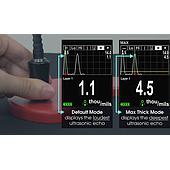
Understand how PosiTector 200 uses ultrasonic echoes to measure coatings on non-metal substrates and when Max Thick Mode can help with rough or noisy surfaces.
Understand how PosiTector 200 uses ultrasonic echoes to measure coatings on non-metal substrates and when Max Thick Mode can help with rough or noisy surfaces.

A powder coating thickness gauge is a specialized instrument used to measure the thickness of powder coating on metal or non-metal surfaces, helping ensure coating quality and durability while minimizing material consumption. Measuring powder coating thickness at the right stage and using the appropriate measurement principle helps maintain coating quality, reduce rework, and optimize the finishing process.
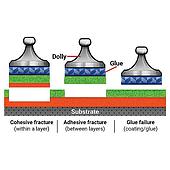
A coating adhesion tester is an essential instrument for evaluating the quality of paints, varnishes, and protective coating systems. The coating must bond sufficiently well to the substrate or underlying coating layer to minimize peeling during use. Depending on the substrate material, coating system structure, test conditions, and evaluation objectives, operators can select from several adhesion test methods, including knife, tape, pull-off, and scratch tests.
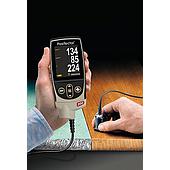
A practical overview of ultrasonic coating thickness measurement for wood and wood products, including operating principles, measurement considerations, and process-control benefits.
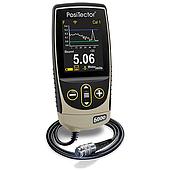
The PosiTector 6000 FS1 is a non-destructive coating thickness gauge that enables the monitoring of mesh, emulsion, stencil, and dried ink thicknesses in the screen printing process.
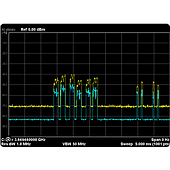
Zero Span transforms a Spectrum Analyzer from a tool for observing power levels across frequencies into a tool for monitoring power levels over time at a specific frequency.
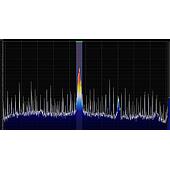
Một đỉnh bất thường xuất hiện trên màn hình Máy phân tích phổ chưa thể xác định ngay nguồn nhiễu nằm ở đâu. Đỉnh này có thể xuất phát từ nguồn điện, mạch số tốc độ cao, bộ nguồn chuyển mạch, thiết bị vô tuyến hoặc một nguồn phát xạ nằm gần hệ thống.
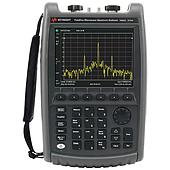
When testing a radio system, a low-level signal on a Spectrum Analyzer does not necessarily mean that the transmitter is weak. The power level measured at the analyzer input depends on many factors along the entire signal path, including cables, connectors, filters, splitters, amplifiers, antennas, and the transmission environment.
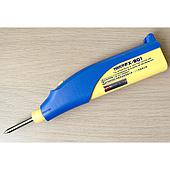
Before contacting the material, a handheld soldering iron mainly heats the soldering tip. Once soldering begins, heat is continuously transferred from the tip to the material. If the heat supply is not sufficient to compensate for heat loss, the temperature at the contact area drops and the processing time increases

In the semiconductor testing and measurement sector—where every nanosecond and microvolt can determine the success or failure of a chip design—choosing the right test equipment has never been simply a matter of comparing specifications on paper.
Get exclusive volume discounts, bulk pricing updates, and new product alerts delivered directly to your inbox.
By subscribing, you agree to our Terms of Service and Privacy Policy.
Direct access to our certified experts