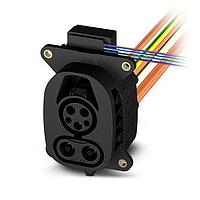
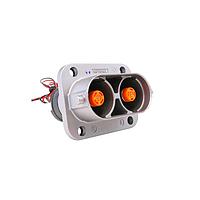
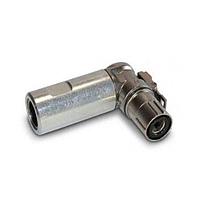
EV Connectors
Reliable power transfer and signal integrity are critical in electric vehicle systems, where components must perform safely under vibration, heat, moisture, and repeated mating cycles. In this environment, EV connectors play a central role by linking charging interfaces, battery systems, power distribution, and supporting electronics across the vehicle and charging infrastructure.
For engineers, buyers, and sourcing teams, selecting the right connector family is not only about fit and current path. It also involves installation requirements, environmental exposure, integration with cable assemblies, and long-term serviceability. This category brings together connector solutions for eMobility applications with a focus on practical industrial selection needs.
Where EV connectors fit in eMobility systems
Electric vehicle platforms depend on a wide range of interconnect solutions, from high-power paths to lower-level control and communication interfaces. In many projects, the connector is the mechanical and electrical bridge that determines how easily subsystems can be assembled, maintained, and protected in real operating conditions.
Depending on the architecture, connectors may be used in charging equipment, battery packs, inverters, auxiliary power circuits, and interface points between harnesses and modules. When used alongside dedicated EV charging cables, they help create complete charging and power interconnect assemblies suited to eMobility infrastructure and vehicle-side integration.
Key considerations when choosing EV connectors
A suitable connector for eMobility use typically needs to balance electrical performance, mechanical reliability, and environmental resistance. Current and voltage requirements are essential, but so are mating durability, locking stability, insulation design, and the ability to maintain consistent performance in demanding operating conditions.
Engineers also look at installation factors such as available space, cable routing, assembly method, and maintenance access. In compact designs, connector geometry can affect enclosure layout and thermal management. In field-installed systems, ease of termination and service replacement may be just as important as nominal electrical ratings.
Another practical factor is system compatibility. Some projects require connectors that integrate smoothly with broader power and signal ecosystems, including harnesses, charging interfaces, and panel-mounted equipment. Reviewing the overall application context early can help avoid redesigns later in the development cycle.
Typical application priorities in EV and charging projects
Connector requirements vary significantly between vehicle-side and infrastructure-side applications. In charging equipment, designers often prioritize secure mating, weather resistance, and repeated connection cycles. In onboard systems, compact packaging, vibration tolerance, and dependable contact performance may take priority.
Battery-related applications can place additional emphasis on insulation coordination, creepage and clearance considerations, and robust connection under thermal cycling. For supporting electronics and control sections, signal stability and integration with other eMobility connector solutions may be part of the decision process, especially where multiple subsystems must interface cleanly within a shared architecture.
Manufacturer landscape for industrial sourcing
This category includes solutions from established interconnect suppliers used across industrial and transportation markets. Brands such as ITT Cannon, PHOENIX CONTACT, TE Connectivity, and Amphenol Technical Products are often considered when procurement teams need recognized connector platforms for demanding electrical applications.
Each manufacturer brings different strengths in connector design, mounting styles, materials, and application focus. For that reason, supplier selection is rarely just a brand preference. It is usually tied to engineering standards, preferred installation methods, lifecycle expectations, and the type of charging or vehicle subsystem being developed.
How to evaluate connector options for a project
A structured selection process usually starts with the electrical load, the duty cycle, and the installation environment. From there, teams can narrow options based on connector format, required sealing level, mechanical retention, and assembly constraints. This reduces the risk of choosing a part that meets a datasheet requirement but creates problems during integration or service.
It is also helpful to review how the connector will be used within the full interconnect chain. For example, compatibility with cable specifications, enclosure entry points, and mating counterparts should be assessed early. In many cases, a connector decision affects harness design, service strategy, and even production workflow.
For organizations sourcing across multiple eMobility components, it may also make sense to compare related technologies from suppliers such as TE Connectivity when standardization, vendor alignment, or platform consistency is important across several programs.
Why connector quality matters in B2B e-commerce procurement
In industrial purchasing, connectors are not minor accessories. They directly influence system uptime, assembly consistency, and long-term maintenance outcomes. A poorly matched connector can lead to avoidable rework, inspection issues, or shortened service life in applications where reliability is a core requirement.
That is why B2B buyers typically look beyond product naming alone. They compare application fit, manufacturer ecosystem, and integration practicality before making a selection. A well-organized category page helps streamline this process by grouping relevant options and making it easier to identify connector families aligned with eMobility project needs.
Finding the right EV connector for your application
The right choice depends on how the connector will function within the wider electric mobility system, not just on a single headline specification. Power level, environmental exposure, assembly approach, and maintenance expectations all shape what will work best in practice.
Whether you are building charging equipment, specifying vehicle interconnects, or standardizing sourcing across multiple platforms, this EV connectors category is intended to support a more informed selection process. Reviewing connector options alongside related cable and manufacturer resources can help teams identify solutions that fit both technical requirements and procurement priorities.
Get exclusive volume discounts, bulk pricing updates, and new product alerts delivered directly to your inbox.
By subscribing, you agree to our Terms of Service and Privacy Policy.
Direct access to our certified experts