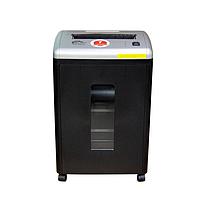
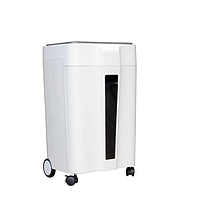
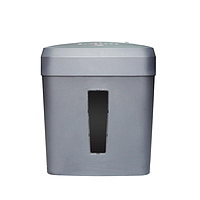
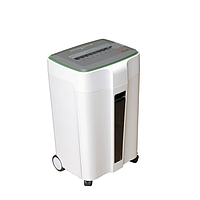
Paper Shredder
Protecting printed information is still an everyday requirement in offices, banks, schools, clinics, and administrative departments. Contracts, invoices, reports, internal memos, and customer records often need to be destroyed in a controlled way rather than simply thrown away. A reliable paper shredder helps reduce the risk of data exposure while also supporting cleaner document disposal workflows.
On this page, you can explore machines designed for different workloads, from compact units for light office use to larger systems built for continuous or high-volume shredding. The right choice usually depends on security level, sheet capacity, bin size, duty cycle, and whether the machine also needs to handle cards, staples, paper clips, or optical media.
Why document shredding still matters in daily operations
Even in organizations that are moving toward digital processes, paper documents remain part of purchasing, accounting, HR, compliance, and customer service. Once a document is no longer needed, it should be destroyed in a way that matches the sensitivity of the information it contains. This is especially important for businesses that manage internal records, financial paperwork, or customer data.
A shredding machine is not only a security tool. It also helps standardize disposal procedures, reduces manual tearing or sorting, and makes routine document cleanup more efficient. In offices that also use related equipment such as banding machines for document handling, shredders are part of the same broader workflow of organizing, securing, and disposing of paper materials properly.
Common shred types and what they mean for security
One of the first things buyers compare is the cut type. Cross-cut models slice paper into smaller particles than strip-style shredders, making documents harder to reconstruct. For general office use, cross-cut machines are often chosen because they balance security, speed, and operating cost.
For more sensitive records, micro-cut shredding provides a finer output and is better suited to environments where confidentiality is a higher priority. In the products shown here, examples such as the SILICON PS-890C and Nikatei PS-2000M illustrate this higher-security approach, while many other models focus on cross-cut performance for everyday office disposal.
How to choose the right paper shredder for your workload
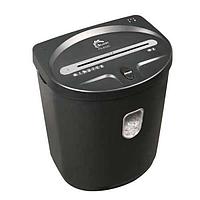
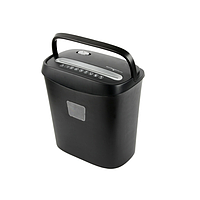
Not every office needs the same machine size. A small team that occasionally destroys a few sheets at a time may be well served by compact models like the SILICON PS-812C Paper Shredder (21L) or the Nikatei PS-400C Paper Shredder. These units are easier to place near desks or shared office areas and are suitable for light, routine use.
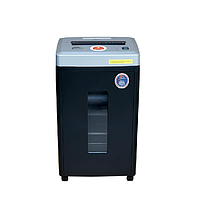
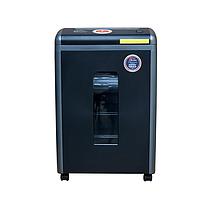
For departments with heavier paper traffic, it makes more sense to look at higher sheet capacity, longer operating cycles, and larger bins. Models such as the Nikatei PS-850C, Nikatei PS-900C, or SILICON PS-5800C are more aligned with centralized shredding points where multiple users feed documents throughout the day. If continuous operation is important, heavier-duty systems like the Nikatei PS-2000C or Nikatei PS-2000M may be more appropriate.
In practice, buyers usually evaluate four points first:
- Sheet capacity per pass for daily productivity
- Operating cycle for occasional, departmental, or near-continuous use
- Bin volume to reduce interruption from frequent emptying
- Media compatibility for cards, staples, paper clips, CDs, or DVDs where needed
Features that improve day-to-day usability
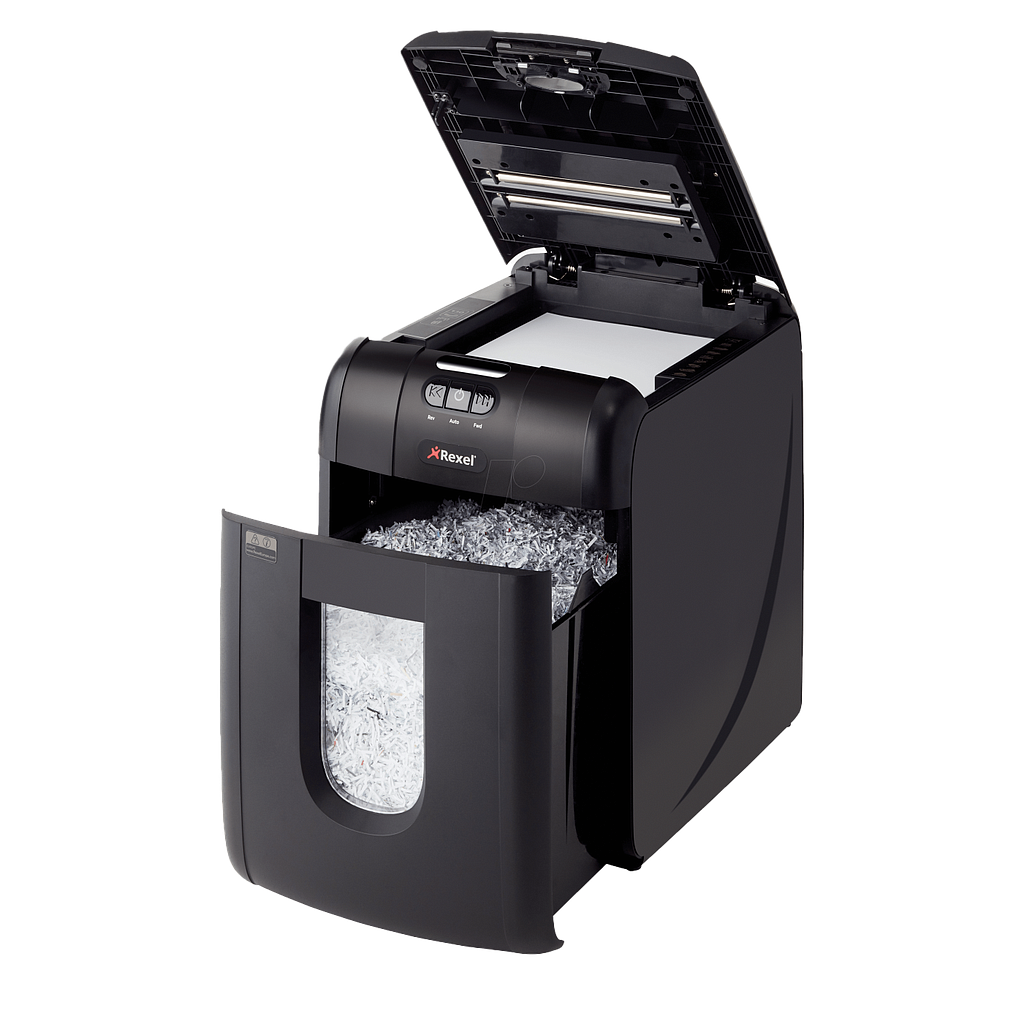
Beyond cutting performance, practical features make a noticeable difference in real office conditions. Auto start and stop, reverse function, and anti-jam support help reduce operator intervention. Full-bin alerts, LED or LCD status displays, and overload or overheating protection also make the machine easier to manage during repetitive use.
Several models in this category are designed with these convenience features in mind. For example, a number of Nikatei and SILICON machines include reverse operation, jam-related protection, and status indicators. In larger offices, casters and removable bins can also help when the shredder needs to be moved or emptied regularly.
Examples of product fit by use case
For compact office use, the SILICON PS-812C offers a practical bin size and cross-cut output for standard document destruction. The Nikatei PS-990C is another option for users who need a moderate-capacity machine that can also handle cards, CDs/DVDs, staples, and paper clips in one device.
If the priority is stronger destruction for confidential paperwork, the SILICON PS-890C and Nikatei PS-2000M stand out with micro-cut shredding. For higher throughput and larger waste capacity, the Nikatei PS-900C and SILICON PS-5800C are better suited to shared workspaces or departments where shredding demand is more consistent and less predictable.
Where document security goes beyond paper, some organizations also review tools such as data sanitizers for handling digital media in a more controlled way. That can be a useful complement when records exist in both printed and electronic formats.
Maintenance and safe operation tips
Good operating habits help extend machine life and maintain consistent shredding performance. Users should avoid feeding more sheets than the rated capacity, especially when documents include staples, clips, or mixed media. If the machine indicates a jam or overload, using the reverse function and clearing the feed path promptly is usually better than forcing more paper through.
It is also important to empty the bin before it becomes overfilled, because accumulated waste can affect sensor behavior and cutting efficiency. For shared office machines, routine cleaning and basic preventive care reduce downtime and help preserve reliable operation over time. If your workflow includes duplicate media handling, you may also want to review data duplicator solutions separately for production or archival tasks.
Brand options in this category
This category includes recognizable names used in office equipment and secure disposal workflows. Nikatei is represented by a wide range of machines, from smaller desktop-adjacent units to larger shredders for demanding environments. SILICON also appears with models covering entry-level through higher-capacity needs, including machines with micro-cut output and larger bins.
Other manufacturers in the broader office equipment ecosystem include GBC, Verity Systems, and Dino. Depending on the application, buyers may compare brands based on intended workload, cut type, user interface, supported media, and available form factor rather than looking at sheet capacity alone.
Choosing with the real application in mind
The most suitable machine is usually the one that matches actual usage patterns instead of the highest stated capacity. A small office may prefer a quieter, compact unit with simple controls, while a back-office department may need longer duty cycles, larger bins, and easier handling of mixed materials. Security expectations also matter: standard internal paperwork and highly confidential records should not always be treated the same way.
By comparing cut type, throughput, operating time, and convenience features, buyers can narrow the options more effectively and avoid under-sizing or over-specifying the equipment. A well-matched paper shredder supports both information security and everyday office efficiency, making it a practical part of responsible document management.
Get exclusive volume discounts, bulk pricing updates, and new product alerts delivered directly to your inbox.
By subscribing, you agree to our Terms of Service and Privacy Policy.
Direct access to our certified experts