For full functionality of this site it is necessary to enable JavaScript.
EMIN.VN
0

How to identify water contaminated with alum.

03/27/2026 09:18:38

Water contaminated with alum is a common problem in many areas of Vietnam, especially in regions using drilled wells or groundwater. This condition not only reduces the quality of drinking water but also affects health and damages household appliances. Early detection of alum contamination in water and testing with a pH meter will help you take timely action, ensuring a safe water supply for daily life and production.

How to Identify Water Contaminated with Alum

Alum-contaminated water is a common problem in many areas of Vietnam, especially in regions using well water or groundwater. This condition is not only reduces the quality of living water but also affects to health and damages household instrument. Early identification of alum-contaminated water and testing with a pH meter will help you take timely action, ensuring a safe water source for daily life and production.

What is alum-contaminated water?

Alum-contaminated water is water containing high levels of metal compounds such as iron (Fe), aluminum (Al), manganese (Mn), or sulfate compounds. When these substances dissolve in water, they alter the pH, color, and taste of the water. Typically, alum-contaminated water has a low pH (acidic), often below neutral. This can cause metal corrosion, stain equipment, and is harmful to health if used long-term.
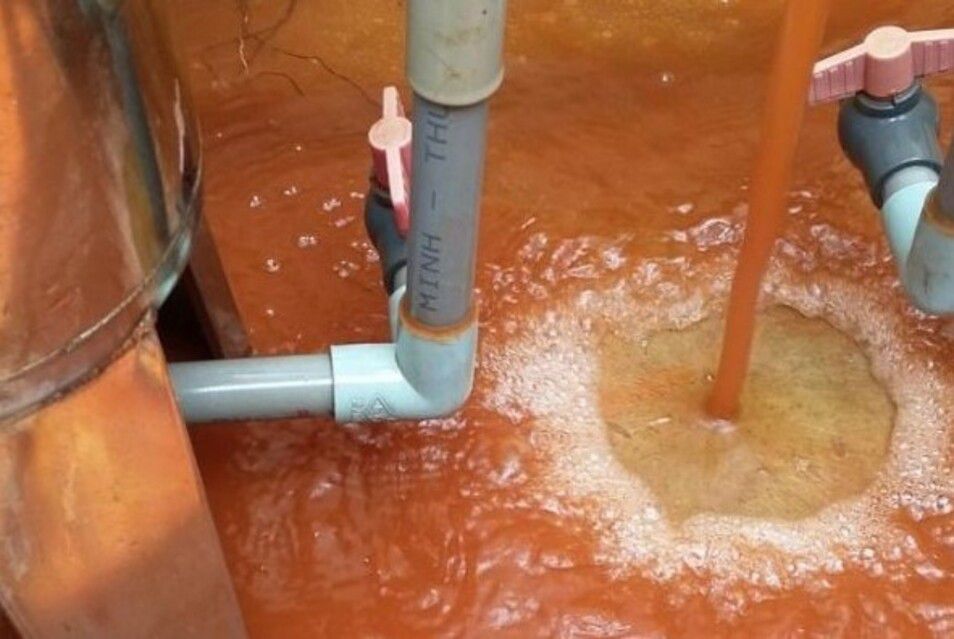
1. Yellow or Reddish-Brown Color

When first pumped, well water may be clear, but after a few minutes it will turn to yellow, reddish-brown, or cloudy. This is because the iron in the water oxidizes upon contact with air.

2. Characteristic Fishy Odor

Iron-contaminated water often has a fishy smell similar to metal or iron.

3. Yellow deposits or buildup on equipment. This is a sign of high iron or manganese content in the water.

Yellow stains appear on sinks and toilets.

Scaling in water pipes.

Clothes turn yellow after washing.

4. Sour or Metallic Taste

Some sources of iron-contaminated water have a slightly sour or metallic taste, due to low pH and high mineral content.

5. Testing with a pH Meter
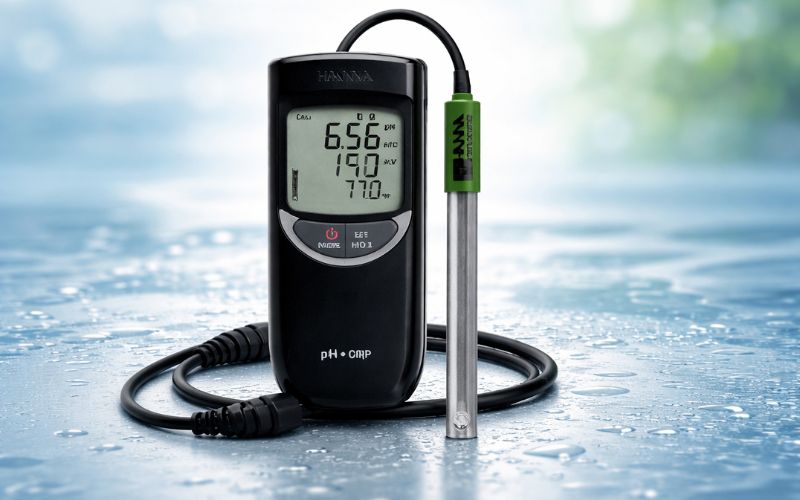
Depending on the usage environment and measurement requirements, a pH pen, handheld pH meter, or benchtop pH meter can be used to determine if the water is contaminated with iron or other substances. These pH measuring devices are commonly used in testing well water, drinking water, and aquaculture water, providing quick and accurate results.

If the pH meter reading < 6 → the water is likely contaminated with iron or high levels of acid.

pH is an indicator of the acidity or alkalinity of water. Standard drinking water usually has a pH between 6.5 and 8.5.

pH = 7 → Neutral

pH < 7 → Acidic water

pH > 7 → Alkaline water

You can refer to some best-selling pH meters distributed by EMIN such as: Hanna pH meterEzdo pH meter

Related news:

How to treat iron-contaminated water you need to know

What is iron-contaminated water? What is the pH of iron-contaminated water?
Related News

Which Vacuum Pump Should You Choose for a Microbiology Lab to Avoid Affecting Samples?
07/15/2026 14:45:07

Vacuum pumps are utilized in a wide range of microbiology laboratory procedures, from membrane filtration and the aspiration of supernatants following centrifugation to sample concentration and the support of negative-pressure systems. Selecting the appropriate pump not only ensures more stable operational processes but also minimizes the risk of sample contamination, reduces maintenance costs, and extends the equipment's lifespan

QCVN 25:2025/BKHCN Takes Effect: Do Businesses Need to Prepare Electrical Safety Testing Equipment?
07/15/2026 09:15:04

Electrical safety is consistently one of the primary criteria evaluated before electrical or electronic equipment—or industrial components—are released to the market. A product may operate reliably yet still fail to meet requirements if its insulation lacks sufficient durability, its grounding resistance exceeds permissible limits, or leakage current occurs during operation.

Why Is Associated Research Considered an Icon of Hipot Technology?
07/14/2026 09:05:30

When it comes to electrical safety testing equipment specifically Hipot testers—many QA/QC and testing engineers are familiar with the globally renowned brand Associated Research. A subsidiary of the parent company IKONIX, Associated Research (ARI) invented the world's first commercial Hipot tester.

What Is the Standard 3-Phase Voltage? How to Read Cabinet-Mounted Meters Without Errors
07/13/2026 15:09:18

Voltmeters are almost invariably found on the panels of electrical cabinets in factories, power stations, or generator systems. A glance lasting just a few seconds allows an operator to determine whether the power supply is stable or showing signs of abnormality. However, not everyone understands the significance of the displayed readings, particularly regarding three-phase electrical systems.

Distinguishing between ARI’s Hypot, HypotUltra, and HypotMax: Which device is right for your factory?
07/13/2026 09:48:30

Few people realize that the concept of the "Hipot Test"—or electrical safety testing—has long existed within the electrical equipment manufacturing industry. Driven by the growing need to verify the voltage withstand capabilities of conductors, motors, and electrical devices, the industry required a robust and virtually fail-safe method to detect insulation weaknesses before products reached the market.

Stay Updated with Offers

Get exclusive volume discounts, bulk pricing updates, and new product alerts delivered directly to your inbox.

By subscribing, you agree to our Terms of Service and Privacy Policy.

Quick Support

Direct access to our certified experts