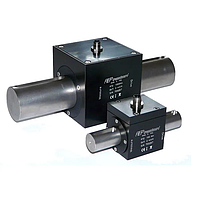
Load cell calibration
Accurate force measurement depends on more than the load cell itself. In testing machines, production lines, metrology labs, and verification benches, reliable results come from a well-controlled load cell calibration process that matches the required force range, accuracy class, and operating conditions. This category focuses on calibration-oriented force transducers and related equipment used to check, verify, and maintain confidence in load measurement systems.
Whether the application involves low-force verification in the sub-kilonewton range or heavy-force calibration up to the meganewton level, selecting the right reference device helps reduce uncertainty and improves traceability across the measurement chain.
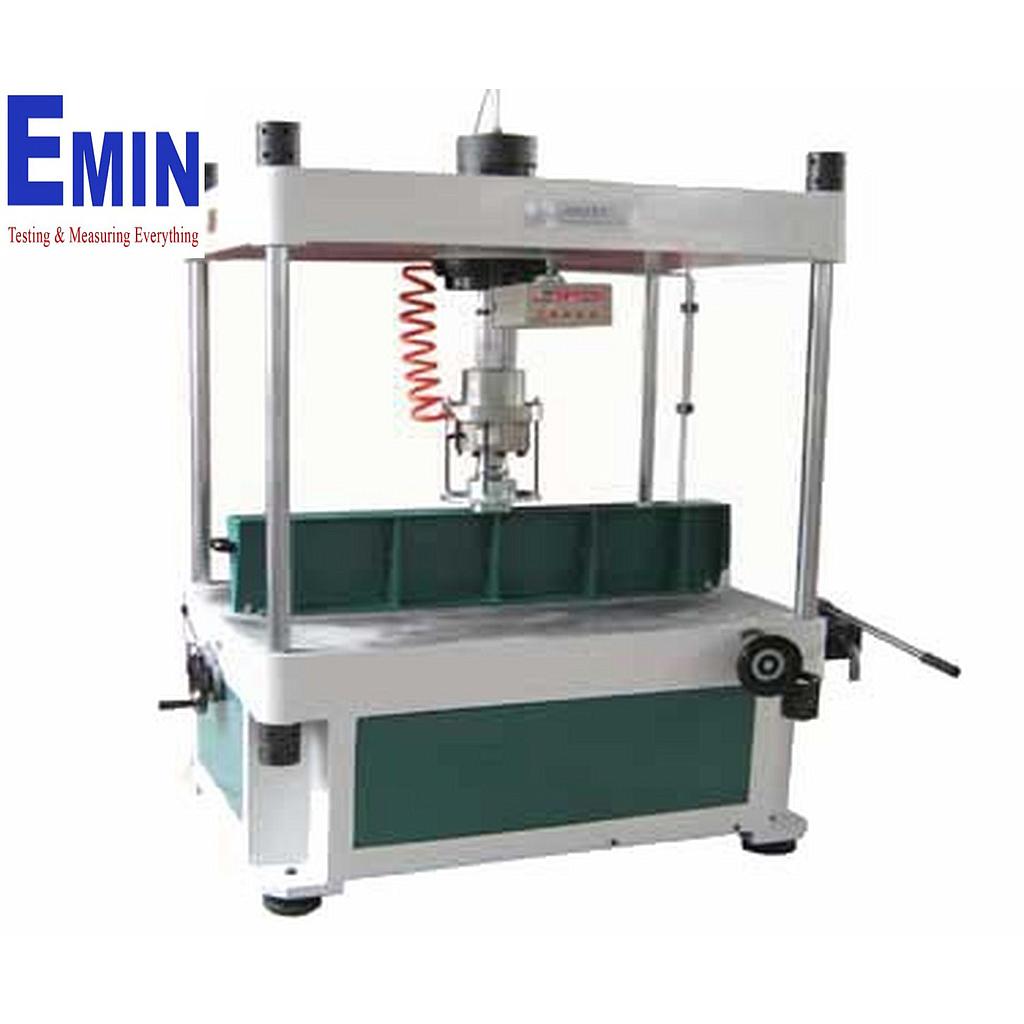
Calibration solutions for a wide force range
This category includes force transducers designed for calibration work across very different measurement capacities. Typical examples range from compact reference units such as the AEP Transducers CTSTM63500NI05 at 0.5 kN and CTSTM635KNI05 at 5 kN, through medium-range models like the CTCETM25KNI05 at 25 kN and CTCETM100KNI05 at 100 kN, up to high-capacity solutions including the CCLSTM300KNI05 at 300 kN and the CCLSTM3MNI05 at 3 MN.
That broad span is important in practice because calibration quality depends heavily on matching the reference transducer to the real working range of the device under test. Using an oversized reference for a small-force application can limit resolution, while an undersized one may not provide enough margin for safe and stable operation.
Why ISO 376 matters in force calibration
Several featured models in this category are built around ISO 376 class 0.5 performance, which is widely recognized in force transducer calibration and verification work. For laboratories and industrial users, this standard provides a structured framework for evaluating measurement behavior such as repeatability, interpolation, reversibility, and zero response.
In practical terms, ISO 376-based reference transducers are chosen when users need a dependable benchmark for checking testing machines, production presses, assembly systems, or standalone load cells. The standard helps users compare devices on a common basis rather than relying only on a single headline accuracy figure.
For broader calibration workflows that combine force checking with electrical simulation and signal verification, it may also be useful to review multifunction calibrators as part of the overall maintenance setup.
Typical design features of calibration force transducers
Many products shown here are engineered for use as reference force transducers rather than general-purpose process sensors. Across the listed AEP Transducers models, common design characteristics include stainless steel construction, mV/V output, controlled mechanical overload behavior, and protection levels such as IP65 or IP67 depending on the model family.
These details matter because calibration work often requires repeat mounting, stable zero behavior, and predictable response under compressive force. Environmental protection can also be important when calibration is performed outside a strictly controlled lab environment, for example in plant maintenance departments or machine builder service operations.
AEP Transducers is especially relevant in this category because the listed models cover both low-force and high-capacity calibration requirements with consistent reference-oriented specifications.
How to choose the right load cell calibration device
The first selection factor is the nominal load range. A calibration reference should align with the expected operating points of the unit under test, including partial-load checks and full-scale verification. In many cases, users also consider mechanical integration, connector style, cable arrangement, and whether the setup is intended for bench calibration or installation in a larger force frame.
The second factor is the required uncertainty level. If the application supports formal verification routines, the user will typically look at class, repeatability, hysteresis, and linearity behavior together rather than focusing on a single specification. This is especially important when calibration data will be used for quality records, compliance documentation, or comparative testing.
A third consideration is the working environment. IP65 or IP67 protection, stainless steel construction, and temperature stability can all influence long-term consistency. For operations that also handle pressure-based instrumentation in the same maintenance program, related options can be found in the pressure calibrator category.
Examples of use cases across industries
In materials testing, load cell calibration supports tensile, compression, and structural test systems where force accuracy directly affects reported results. A medium-capacity reference transducer such as the AEP Transducers CTCETM100KNI05 may fit many universal testing machine verification tasks, while lower-capacity models are more suitable for sensor development, component testing, or fine-force assembly validation.
At the upper end, high-capacity transducers such as the CCLSTM300KNI05 or CCLSTM3MNI05 are relevant in heavy industry, civil engineering test rigs, and large press applications. These environments demand robust mechanical design and stable performance under substantial loads, where calibration is not just a quality exercise but also a safety-related requirement.
Related calibration equipment in a wider metrology workflow
Load measurement is often only one part of an industrial calibration program. Facilities may need to maintain temperature instruments, pressure loops, electrical measurement devices, and force systems at the same time. That is why category-level planning often benefits from looking beyond a single instrument type.
Depending on the workflow, users may also explore temperature calibrators for thermal verification tasks. This broader view is useful for maintenance teams, quality departments, and calibration service providers that want a more consistent instrument management process across different measurement domains.
About supporting products and adjacent devices
Some featured items in the wider data set, such as MultiTech equipment, are calibration-related but serve different test purposes. For example, pendulum and spring hammer calibration devices are associated with impact energy and IK code verification rather than force transducer calibration in the load cell sense. They are part of a broader calibration ecosystem, but they should be selected only when the application specifically involves impact testing.
This distinction is important for buyers comparing products across categories. A force calibration setup typically centers on reference transducers, signal interpretation, and controlled loading, while impact calibration equipment addresses a different measurement principle and test method.
Finding a suitable solution for your calibration scope
Choosing from this category starts with a clear view of the force range to be verified, the target accuracy class, the installation method, and the expected operating environment. From compact 0.5 kN references to 3 MN force transducers, the listed options support very different calibration tasks, so the best choice is the one that fits the real process rather than the widest specification range.
If you are building or upgrading a calibration setup, it is often worth considering the full measurement chain: the reference transducer, signal conditioning path, mounting accessories, and the broader calibration instruments used in the same facility. A well-matched solution helps make force measurements more repeatable, more defensible, and easier to manage over time.
Get exclusive volume discounts, bulk pricing updates, and new product alerts delivered directly to your inbox.
By subscribing, you agree to our Terms of Service and Privacy Policy.
Direct access to our certified experts