Pressure Calibration Pumps
When pressure instruments need to be checked on the bench or verified in the field, a stable pressure source is just as important as the reference device itself. Pressure Calibration Pumps are used to generate controlled pneumatic, hydraulic, or low-pressure/vacuum conditions so technicians can test transmitters, gauges, switches, and other pressure instruments with better confidence and repeatability.
For maintenance teams, calibration labs, and process engineers, this category supports practical pressure generation across different ranges and media. Whether the task involves low-pressure adjustment, routine transmitter checks, or higher-pressure hydraulic verification, choosing the right hand pump or test kit helps reduce setup time and improves the overall calibration workflow.
Where pressure calibration pumps fit in a test setup
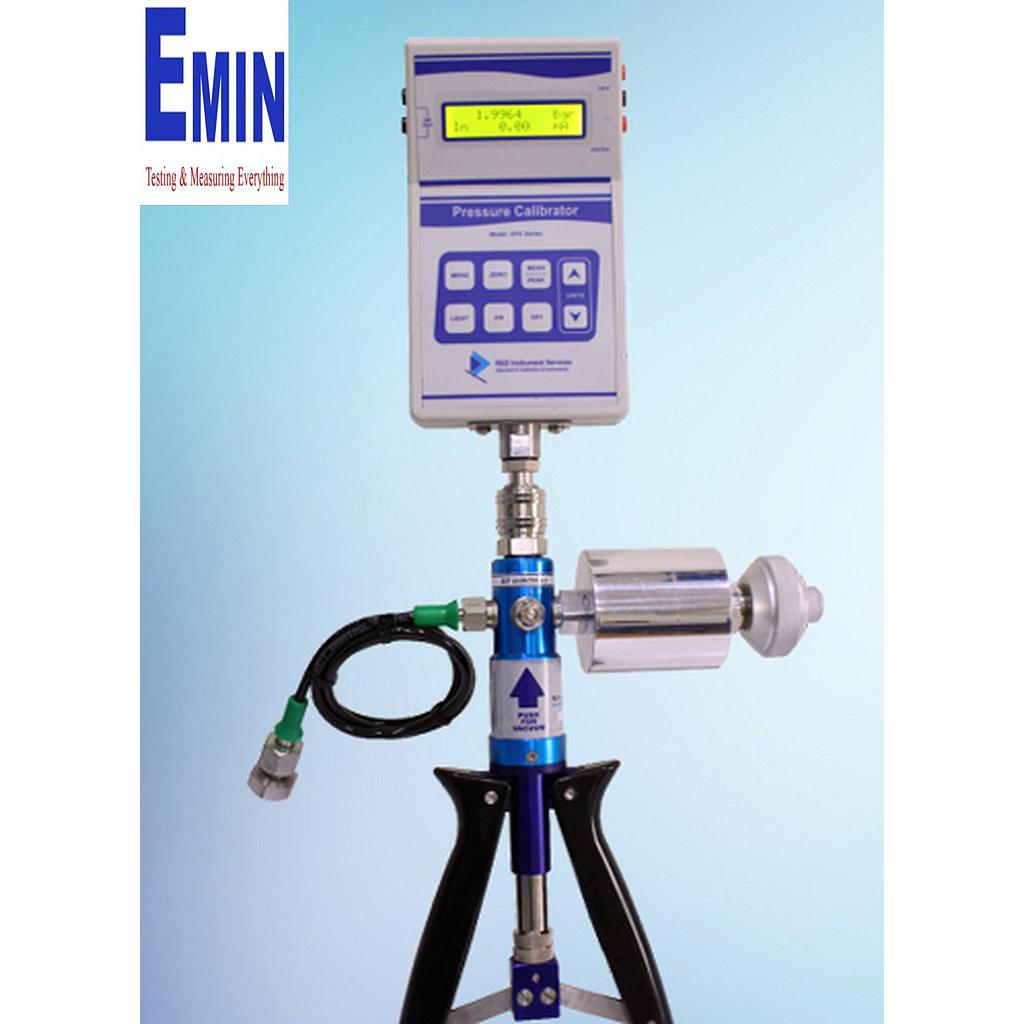
A pressure calibration pump does not replace the reference instrument; it works alongside it. In a typical setup, the pump creates the required pressure or vacuum, while a reference gauge, pressure module, or calibrator confirms the actual value applied to the device under test.
This is why many users pair a pump with a digital pressure calibration gauge for field verification and troubleshooting. In more controlled environments, the same pump may also be used as part of a larger calibration system that includes hoses, adapters, and isolation fittings.
Pneumatic, hydraulic, and low-pressure options
The most important selection factor is the type of pressure you need to generate. Pneumatic pumps are commonly used with air and are well suited for moderate positive pressure, vacuum generation, and general instrument testing. They are often preferred for clean applications and for devices such as pressure transmitters and switches that do not require liquid media.
Hydraulic pumps are typically chosen for higher pressure ranges, where finer pressure build-up and better stability under load may be required. For very sensitive applications, low-pressure and vacuum pumps are useful when testing instruments that operate near atmospheric pressure or when precise small adjustments matter more than maximum range.
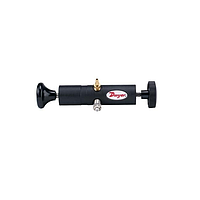
Examples in this category reflect those differences. The FLUKE 700PTP-1 Pneumatic Test Pump supports portable pressure generation up to 600 psi / 40 bar, while the FLUKE FLK-700HTP-2/APAC Hydraulic Test Pump is aimed at much higher hydraulic test pressures. For lower-pressure work, the FLUKE-700LTP-1 Low-Pressure Test Pump is designed for vacuum and low positive pressure tasks, and the Dwyer A-396A Calibration Pump provides a compact option for air-based calibration up to 72 psi.
Typical applications in maintenance and instrumentation
Pressure calibration pumps are widely used during commissioning, preventive maintenance, shutdown inspection, and workshop calibration. Common tasks include checking the response of pressure transmitters, verifying analog or digital gauges, testing pressure switches, and confirming instrument behavior after installation or repair.
In process industries, technicians often need portable tools that can move between plant areas without bringing a full bench system. A hand pump and gauge combination is practical for this kind of work. For higher-accuracy laboratory or workshop comparison tasks, users may also look at a pressure comparator when tighter control and multi-device comparison are required.
What to consider when selecting a pressure calibration pump
The first checkpoint is pressure range. The pump should comfortably cover the test points required by your instrument, without operating constantly at the limit of its capability. Media compatibility also matters, especially when deciding between air-based and hydraulic testing.
Connection type, hose configuration, and included adapters can make a major difference in day-to-day usability. A pump that integrates easily with existing gauges and test ports usually saves time and reduces leak points. For example, kits such as the FLUKE FLK-700PTPK/APAC Pneumatic Test Pressure Kit and FLUKE FLK-700HTPK2/APAC Hydraulic Test Pressure Kit are built around a more complete field setup, rather than only the pump body.
Resolution of adjustment is another practical factor. When calibrating sensitive devices, technicians need to approach the target pressure smoothly and trim it without overshoot. Build quality, sealing materials, and portability also become important for users who perform frequent field work.
Representative products and brands in this category
This range includes products from established instrumentation brands such as FLUKE, Dwyer, Additel, and OMEGA. Each is commonly associated with test and measurement workflows, but the best fit depends more on application type, pressure range, and preferred setup than on brand name alone.
For example, the Additel ADT917-N-SET Pneumatic Pressure Test Pump is relevant for users needing a pneumatic source with broad positive pressure and vacuum capability. The OMEGA HPP-10K Hand Pump for Pressure and Vacuum Calibration addresses higher pressure requirements, while FLUKE kits and pumps are often selected when users want compatibility with existing Fluke gauges, modules, hoses, and accessories.
This category also includes supporting items such as the FLUKE-700TTH10K Premium Transmitter Test Hose Kit and FLUKE-700HTH-1 hydraulic test hose. These are not the pressure source themselves, but they are important parts of the calibration chain because hose quality, pressure rating, and connection integrity directly affect safety and measurement stability.
When a hand pump is enough and when to move to a higher-level solution
For routine field verification, a hand-operated pump is often the most efficient choice. It is portable, fast to deploy, and suitable for single-instrument checks or troubleshooting tasks where convenience matters. This approach is especially effective when paired with a reference gauge or multifunction calibrator already used by the maintenance team.
However, some applications call for more advanced methods. If the requirement involves very high accuracy, repeatable mass-based reference generation, or formal laboratory calibration, users may need to move beyond manual pumps toward pressure deadweight testers or dedicated bench systems. Likewise, a benchtop pressure calibrator may be a better fit when throughput, automation, or controlled workshop conditions are priorities.
Building a practical pressure calibration workflow
A reliable setup usually starts with matching the pump type to the application, then adding the right reference device, hoses, fittings, and seals. In many cases, leaks, trapped air, incompatible connectors, or unstable fine adjustment cause more problems than the nominal pressure range of the pump itself.
For that reason, many buyers prefer complete kits for field work and separate pump-plus-accessory configurations for workshop use. Looking at the full test chain—not just the pump—helps ensure the selected equipment supports actual maintenance procedures, instrument types, and site conditions.
Choosing the right category for your application
If your work involves generating controlled pressure or vacuum for instrument checks, this category covers the core tools used to create that source. From compact pneumatic and low-pressure models to higher-pressure hydraulic options and related hose kits, the available products support a wide range of calibration and verification tasks.
The right choice depends on pressure range, media, portability, adjustment control, and compatibility with your existing reference instruments. By selecting a pump that fits the real testing environment, teams can make pressure calibration more consistent, efficient, and easier to repeat across field and bench applications.
Get exclusive volume discounts, bulk pricing updates, and new product alerts delivered directly to your inbox.
By subscribing, you agree to our Terms of Service and Privacy Policy.
Direct access to our certified experts