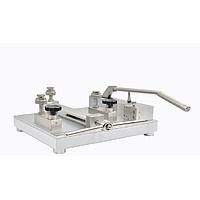
Pressure Comparator
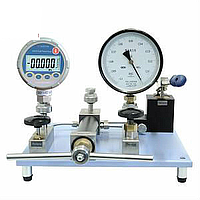
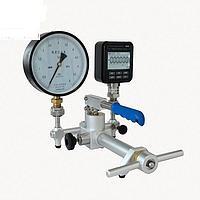
Accurate pressure verification starts with a stable source, fine control, and dependable connections. In calibration labs, maintenance workshops, and process plants, a Pressure Comparator is often the practical tool used to generate and compare pressure between a reference instrument and the device under test before adjustment or certification.
This category brings together pneumatic and hydraulic comparator solutions for low, medium, and high pressure work. It is relevant for technicians who need to check transmitters, gauges, switches, and other pressure instruments under controlled conditions, whether the job calls for air, oil, or water as the working media.
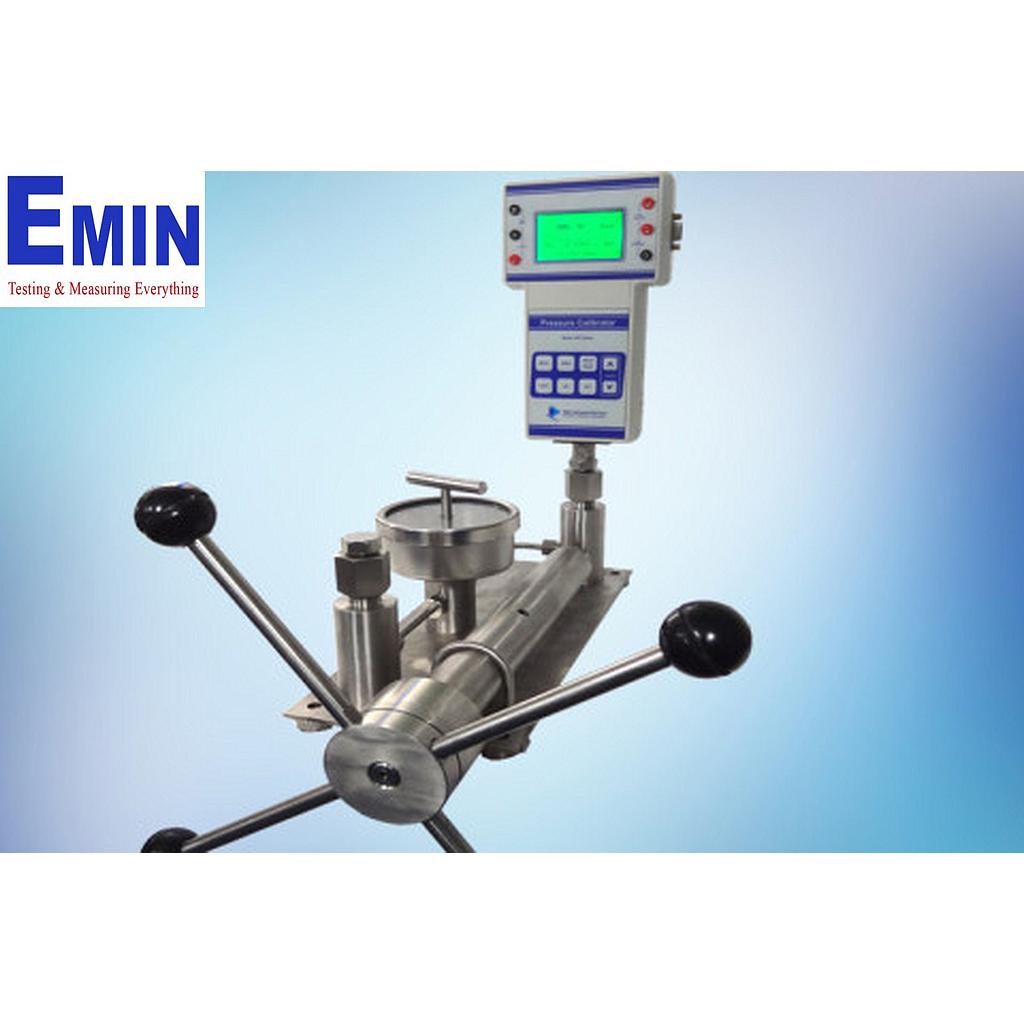
Where pressure comparators fit in the calibration workflow
A pressure comparator is used to create a known pressure and apply that same pressure to both a reference standard and the test device. By observing the readings side by side, users can identify deviation, verify performance, and support calibration procedures with better repeatability than ad hoc pressure generation methods.
Compared with a general-purpose hand source, comparators are especially useful when the application needs fine pressure adjustment, stable output, and flexible test port connections. In many setups they are paired with a reference gauge or calibrator, and in more complete systems they may complement tools such as a digital pressure calibration gauge or dedicated pressure calibration pumps.
Pneumatic and hydraulic options for different pressure ranges
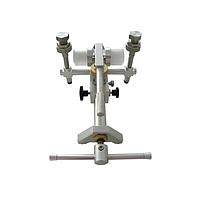
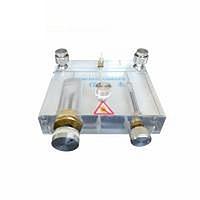
The main selection point is usually the pressure medium and target range. Pneumatic comparators use air and are suitable for vacuum and lower positive pressure work, while hydraulic comparators use liquid media such as oil or water for higher pressure generation and improved stability in many high-pressure applications.
For example, KDS offers pneumatic options such as the KDS KT25 Pneumatic Comparator with a range from -0.95 to 60 bar, as well as KT30 variants that cover vacuum to 60 bar or up to 90 bar. On the hydraulic side, products such as the KDS KT50 and KDS KT100 support higher ranges, reaching 600 bar and 700 bar respectively, making them suitable for more demanding calibration tasks.
This distinction matters because media compatibility, achievable resolution, cleanliness requirements, and field portability can all influence the right choice. Air systems are often preferred for clean gas applications and vacuum testing, while hydraulic systems are commonly chosen when higher pressure output is required.
What to look for when choosing a pressure comparator
When comparing models, it helps to focus on the factors that affect everyday use rather than looking only at the maximum range. The first is the required pressure span: a comparator should comfortably cover the expected operating points without forcing the user to work at the edge of its capability.
The second is connection flexibility. In real calibration work, test items may use BSP, NPT, metric, or other threads, so adaptor availability can save significant setup time. The KDS 38pcs Thread Adaptor kit illustrates how important this accessory layer can be, especially in service environments where many instrument connection standards are encountered.
Users should also consider:
- Working media: air, oil, or water depending on the application and contamination risk
- Adjustment resolution: important for fine setpoint control and repeatable comparison
- Portability: weight and size matter for field service use
- Mechanical construction: body materials and seal types affect durability and compatibility
- System compatibility: whether the comparator will be used with external gauges, calibrators, or a larger bench setup
Representative products in this category
Several product types appear in this range, from standalone comparators to more complete pressure calibration kits. KDS models are a strong fit where users need dedicated pressure generation hardware with clear media and range options, including compact comparators for field use and heavier units intended for broader bench applications.
For users looking for a more integrated setup, the R&D Instruments EPCK 100 and EPCK 400 kits combine pressure generation with electronic measurement functions. These kits are useful when pressure comparison is only one part of the job and the technician also needs to work with mA or voltage signals during transmitter calibration.
Fluke (Calibration) models such as the P5510-2700G series are also relevant in this category context, particularly for users seeking pressure calibrator assemblies with multiple gauge positions and common test port adaptor support. If your application requires a more complete laboratory-style solution, it may also be useful to review benchtop pressure calibrator options.
Manufacturer landscape and typical use cases
This category includes solutions associated with recognized calibration and instrumentation brands such as Fluke (Calibration), KDS, and R&D Instruments. Each serves a slightly different need profile, from compact portable comparators to broader pressure calibration kits used in maintenance and metrology workflows.
Common use cases include pressure gauge verification, transmitter comparison checks, routine maintenance in utilities and process industries, and workshop support for instrumentation teams. In these environments, the comparator is valued less as a standalone device and more as a pressure generation platform that supports repeatable testing with the right reference instrument connected.
Thread compatibility is another practical consideration across brands. The presence of adaptors for M20×1.5, BSP, and NPT formats is especially useful where mixed fleets of instruments are common, reducing downtime during setup and making the system more versatile across multiple jobs.
Comparator, deadweight tester, or calibration kit?
A pressure comparator is often the right choice when users need a fast, flexible way to generate and balance pressure against a reference standard. It is typically easier to deploy for routine checks and service work than primary standard methods, especially when portability and setup speed matter.
However, some applications may call for a different calibration approach. For higher-accuracy mass-and-area based verification, users may prefer pressure deadweight testers. Where pressure generation, electrical measurement, and a digital display are all needed in one package, a pressure calibrator kit may be a better fit than a standalone comparator.
The best choice depends on required accuracy, pressure range, media, portability, and whether the reference standard is already available in your workflow.
Practical buying considerations for B2B users
For industrial buyers, selection usually goes beyond the headline range. It is important to confirm whether the comparator will be used on the bench or in the field, what thread standards are already present in the plant, and whether the team needs only pressure generation or a fuller calibration package.
Maintenance teams often prioritize rugged construction, fast setup, and adaptor flexibility. Calibration labs may place more emphasis on pressure stability, fine control, and how well the comparator integrates with reference gauges and documented procedures. In either case, checking media type, output connection, and accessory scope can prevent costly mismatches after purchase.
If your application includes multiple instrument types or changing service demands, it can be worth choosing a solution that supports a broader accessory ecosystem rather than selecting only on maximum pressure.
Find the right pressure comparator for your calibration setup
This category is designed for users who need reliable pressure generation and comparison across a wide range of calibration tasks. From pneumatic vacuum-to-pressure models to hydraulic units for several hundred bar, the available options support different workflows, instrument types, and working environments.
When narrowing down the right pressure comparator, start with media, pressure range, connection format, and the type of reference instrument you plan to use. A well-matched comparator can simplify setup, improve repeatability, and make routine pressure calibration more efficient across maintenance, laboratory, and field applications.
Get exclusive volume discounts, bulk pricing updates, and new product alerts delivered directly to your inbox.
By subscribing, you agree to our Terms of Service and Privacy Policy.
Direct access to our certified experts