OLED Displays
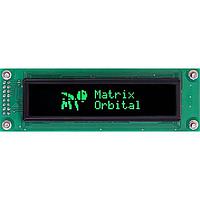
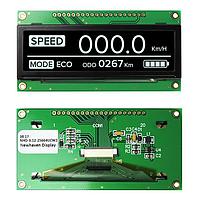
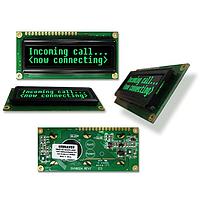
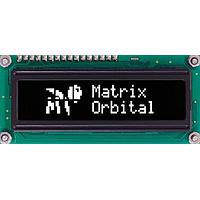
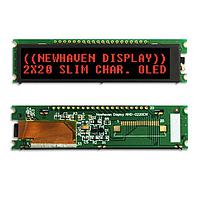
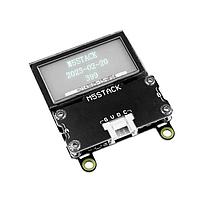
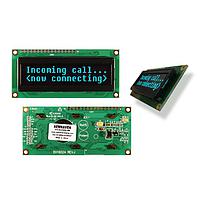
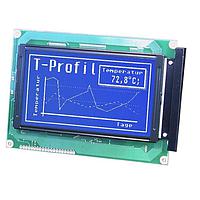
When compact equipment needs a clear visual interface without the bulk of a full monitor, display technology becomes a key design decision. For many industrial and embedded applications, OLED Displays are chosen for their sharp contrast, wide viewing angles, and ability to present readable information in space-constrained products.
This category is relevant for engineers, panel builders, OEMs, and product designers looking for display options used in control panels, instrumentation, handheld devices, and compact operator interfaces. Compared with other industrial display technologies, OLED is often considered where visual clarity, low-profile integration, and crisp character or graphic rendering matter most.
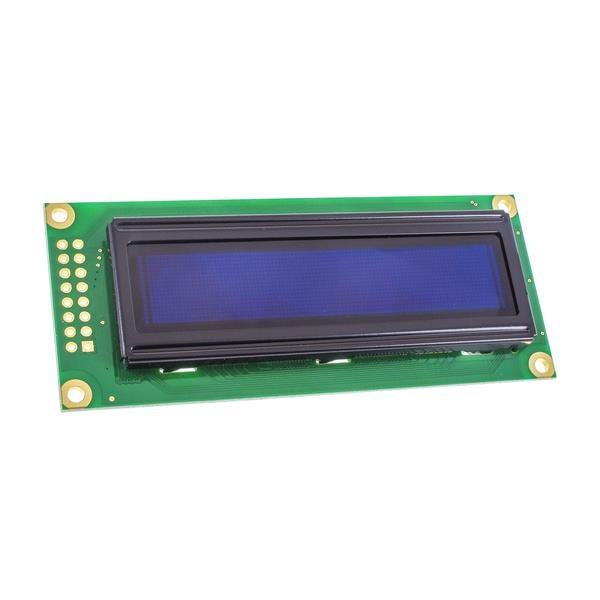
Where OLED displays fit in industrial and embedded systems
OLED modules are commonly selected for equipment that needs a direct, legible interface for status data, menus, alarms, or simple graphics. In industrial electronics, this can include measurement instruments, controller front panels, compact HMI elements, laboratory devices, and communication equipment. Their visual performance is especially useful when operators need to read information quickly from different angles.
From a system design perspective, the right display is not only about appearance. It also affects enclosure size, interface electronics, power strategy, and user interaction. Buyers comparing OLED with alternatives may also review LCD numeric display modules for simpler character-based readouts or dedicated segmented information.
Why engineers choose OLED technology
A major reason OLED remains attractive is high contrast. Because pixels emit light directly, dark backgrounds and bright content can be presented with strong visual separation, which improves readability in many indoor operating environments. This can help when showing menus, symbols, process values, or fault indications on compact devices.
Another advantage is the potential for thinner, lightweight display implementations in embedded equipment. For OEM projects, this can support cleaner front-panel design and more flexible product packaging. Depending on the application, engineers may also compare OLED with LED displays where simple numeric indication or long-distance visibility is the main priority.
Key factors to evaluate before selecting a module
Choosing a display for industrial use usually starts with the interface requirement: what information needs to be shown, how often it changes, and how operators interact with it. Screen size, resolution, viewing conditions, and the communication interface all influence the final decision. Even when two modules appear similar, integration effort can differ significantly depending on the host board and enclosure design.
It is also important to consider environmental fit. Temperature range, backlight architecture where relevant, mounting constraints, and long-term availability can matter just as much as image quality. In broader display sourcing, teams often compare multiple technologies and module formats, including TFT displays and accessories for richer graphical interfaces and larger color screens.
How this category relates to the wider display ecosystem
OLED is one part of a much wider industrial display landscape. In practice, engineers do not choose a technology in isolation; they choose according to the required interface depth, operating conditions, and product cost structure. A compact text-and-icon interface may point to OLED, while a high-information HMI may require TFT, and ultra-simple indication may be better served by segmented or numeric displays.
This is why category-level comparison is useful during early design stages. If a project needs brighter color graphics, touchscreen-style visual presentation, or larger screen formats, products from manufacturers such as Advantech may be part of a wider evaluation across industrial display solutions. For smaller embedded interfaces, the selection process is usually more focused on readability, footprint, and integration simplicity.
Examples of display modules seen in industrial sourcing
Although this page focuses on OLED displays, many buyers reviewing display options also compare available module families used across industrial and embedded platforms. Examples from this broader ecosystem include the Sharp LQ070Y3LW01 7in TFT WVGA module, the Sharp LQ035Q3DG03 3.5in TFT QVGA module, and the Renesas Electronics NL6448AC33-13 10.4in TFT VGA display. These examples illustrate how display selection often scales from very compact interfaces to larger operator-facing panels.
Other sourcing references may include modules such as Advantech IDK-2115N-K2XGB1E, PANASONIC AIG703WMNMB5, PANASONIC AIG703WGNMS5, or Vishay O128O032AGPP3N0000. The important point is not to compare only screen size, but to match the module to the application’s visual content, electrical interface, operating environment, and expected service life.
Typical application considerations for B2B buyers
For OEM and maintenance purchasing teams, display replacement and new-design sourcing often follow different priorities. In replacement scenarios, interface compatibility, mechanical fit, and continuity of operation are usually the first concerns. In new product development, buyers may place more weight on UI flexibility, aesthetics, power profile, and future platform scalability.
For industrial devices deployed in control cabinets, portable instruments, kiosks, or machine subsystems, a display module should be assessed as part of the whole system rather than as a standalone component. Connector type, controller compatibility, readability under actual installation conditions, and supply chain consistency all influence total integration effort.
Making a practical shortlist
A practical way to shortlist display options is to begin with the user interface requirement, then narrow by size, display type, electrical interface, and environmental suitability. This prevents over-specifying the screen and helps teams avoid unnecessary cost or redesign work later. For some applications, a compact monochrome or high-contrast display is more effective than a larger graphical panel.
If your project is still comparing display technologies, it can be useful to review neighboring categories as part of the selection process. Some designs may ultimately be better aligned with plasma displays or other formats depending on the intended operating environment and information density, though each technology serves a different role.
Conclusion
Choosing the right display is a balance between visibility, integration, environmental fit, and long-term product requirements. OLED displays are especially relevant where compact size, crisp presentation, and strong contrast support a better operator experience in embedded and industrial equipment.
As you evaluate options in this category, focus on the real application need rather than the display technology alone. A well-matched module can simplify design, improve usability, and support more reliable operation across the lifecycle of the equipment.
Get exclusive volume discounts, bulk pricing updates, and new product alerts delivered directly to your inbox.
By subscribing, you agree to our Terms of Service and Privacy Policy.
Direct access to our certified experts