Why should you clean your water pipes regularly
Many families often ignore cleaning water pipes in their daily life. However, this is an important maintenance step to ensure the water source is always clean and circulates well. Below are the reasons why you should consider cleaning water pipes periodically.
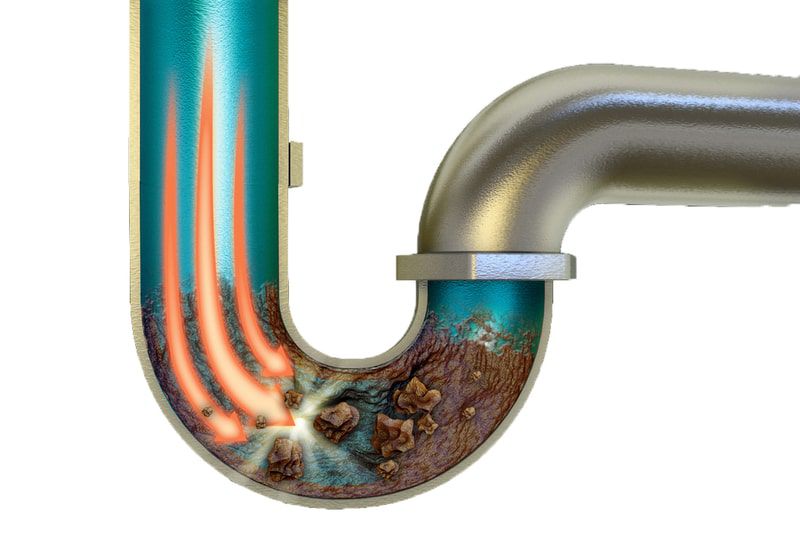
Frees up accumulated dirt in pipes
Over time, deposits, impurities, and even rust can build up inside the pipe walls, obstructing the flow. This not only reduces water pressure but also affects the quality of your water. Regular cleaning will help remove these deposits, restoring a stronger and more stable water flow.
Reduce the risk of blockage and low pressure
If the water drips, is uneven, or does not drain at all after each flush, it is likely that the water is clogged. Regular cleaning of the pipes will help reduce the risk of blockage, limit disruption to daily life, and maintain stable water pressure throughout the system.
Protect your home appliances
Insufficient water supply, mixed with dirt can reduce the performance of devices such as showers, toilets, washing machines, dishwashers... Especially with devices that require minimum water pressure such as tankless toilets, if the pressure is not enough (usually from 0.05 MPa to 0.15 MPa depending on the type), the device will not be able to operate properly. Periodic pipe cleaning will help protect and prolong the life of devices in the house, while avoiding unnecessary repair costs.
Maintain daily water quality
One of the most obvious effects of dirty pipes is water quality. When dirt, moss or impurities accumulate in the pipes for a long time, they can easily mix into the water source, causing unpleasant odors, strange tastes or even affecting health when used for a long time. Periodic cleaning of water pipes not only helps keep water cleaner but also ensures safety for the whole family in every use - from eating, bathing to appliances that require clean water.
How to deal with dirty, clogged water pipes
Cleaning water pipes can be done at home, especially when the situation is not too serious. Below are some common, easy-to-implement ways to help you improve the situation of weak, slow water flow caused by dirt. However, in cases of severe blockage, you should consider using a professional cleaning service to ensure effectiveness and safety..
Method 1: Use water pressure to clean pipes
This method is suitable for families using water tanks located on high floors (from the 4th floor and above). First, let the water in the tank almost dry, then close the tap to supply domestic water. Next, use a strong spray nozzle to clean the tank and then open the bottom drain valve to push all dirty water and residue out.
Once the tank is clean, refill it with water and open the valve at the lowest level (level 1). At the same time, open the main water supply valve wide to create a strong water flow, using the pressure from above to wash away the dirt in the pipes. Drain the water continuously until the water is clear and no longer cloudy.
Method 2: Use a specialized cleaning solution
If you can’t use high water pressure, here’s another option that works well. Choose a specialized cleaning solution for pipes (usually available at plumbing supply stores). Mix the solution to the recommended ratio and pour it into the tank. After about 10 minutes, open the drain valve at the lowest level to let the chemical and water flow out.
Once finished, don't forget to refill the tank with clean water and flush again to clean out any remaining chemicals in the system.
Some simple tips to help clean water pipes effectively
In addition to the usual methods, you can also take advantage of the available materials in the house to clean the water pipes. Below are a few simple, easy-to-do tips, but bring quite surprising effects when handling dirt and eliminating unpleasant odors.
- Use hot water combined with salt
This method can be applied immediately in almost every household. You just need to mix salt with hot water and pour it directly into the pipe. The high temperature from the water combined with the softening properties of the salt will help dissolve the dirt that has accumulated in the pipe for a long time.
- Use white vinegar to deodorize and dissolve the residue
White vinegar is a familiar ingredient in the kitchen but is very effective in cleaning water pipes. Just pour a sufficient amount of vinegar into the pipe and leave it overnight. The vinegar will help dissolve dirt and remove accumulated odors inside. The next morning, just flush with strong water and you're done.
- Use baking soda and boiling water
Mix baking soda with boiling water and pour it into the drain. Let the solution soak overnight to allow the chemical reaction to loosen the deposits. Finally, flush with clean water to remove all residue. This is a tip that many people use because it is safe and effective.
Is there any device that can help detect the exact location of the blockage in the pipe?
Yes. Before starting to clean the pipes, especially when you suspect a deep local blockage in the system, you should use the UNI‑TUT661D pipe blockage detector from EMIN to accurately locate the location that needs to be treated. The device consists of a transmitter and a receiver, comes with a 35m signal cable and can detect blockages up to 50cm deep, combined with an audio warning (>93dB at 1cm, >75dB at 0.5m) and a flash light to quickly identify where intervention is needed. In addition, the device has a continuous operating time of up to 10 hours, and the probe is IP67 waterproof, very convenient when working in humid environments.

sdsdsds These are simple but effective ways to protect your water pipes, help maintain a stable water flow and protect your household appliances. If you need to determine the exact location of the blockage, you can refer to a pipe detector such as the UNI‑T UT661D available at EMIN: a solution to support quick and accurate testing of your home's water system.