
Card Edge Connectors
Reliable board-to-board and card-to-board connections are essential wherever electronic modules need to be inserted, removed, or serviced without complicated wiring. In these applications, Card Edge Connectors provide a practical interface between a PCB or memory-style card and the host system, helping designers balance signal continuity, mechanical stability, and assembly efficiency.
This category is relevant for a wide range of electronic builds, from compact embedded devices to industrial control hardware and communication equipment. Whether you are sourcing for a new design or replacing an existing interconnect format, understanding the connector style, card compatibility, and mounting approach can make selection much easier.
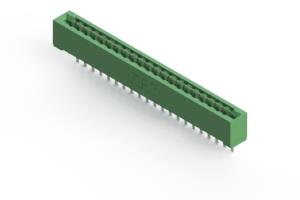
Where card edge connectors fit in an electronic system
A card edge connector is designed to mate directly with conductive pads placed along the edge of a board or card. This approach reduces the need for a separate plug component on the mating board and is often chosen when space, serviceability, or repeatable insertion is important.
In practice, these connectors appear in systems that use removable cards, SIM-style interfaces, compact data modules, or expansion boards. Compared with some other interconnect styles, they can simplify the mechanical layout while still supporting organized signal routing inside the assembly.
Common use cases across industrial and embedded designs
Engineers and buyers typically look for this category when working on equipment that uses removable media, compact communication modules, or serviceable electronic subassemblies. Depending on the device architecture, card edge formats may support user access, field replacement, or internal module integration during production.
Examples from this category illustrate that scope clearly. Parts such as the Amphenol C707 10M006 169 2 Card connector and Amphenol C70710M0065232U Card connector are representative of connector solutions used where repeatable card insertion is part of the design. For more specialized removable-card implementations, products such as the Amphenol C707 10M006 125 2 MONOBLOCK SIM READERS and Amphenol C707 10M006 120 2 MONOBLOCK SIM READERS show how this ecosystem also overlaps with compact module and SIM reader applications.
Key factors to consider when selecting a card edge connector
The first step is to match the connector to the card format and contact arrangement required by the design. Even when two parts appear similar, differences in geometry, contact layout, insertion orientation, or board integration can affect compatibility. It is also important to confirm whether the application requires support features such as card presence detection or a locking mechanism.
Mounting style and assembly process matter as well. In production environments, engineers may prioritize connectors that align with SMT assembly, right-angle board layout, or compact enclosure constraints. A good example is the 3M 80001200148 Conn Compact Flash Card HDR 50 POS 0.635mm Solder RA SMD 0.5A T/R, which reflects the kind of product buyers often review when considering compact card interface designs from 3M.
Finally, think about the full signal and mechanical environment. Insertion cycles, retention force, available board space, and expected servicing frequency all influence the right choice. If the connector will be part of a broader interconnect design, it can also be helpful to review related categories such as cable assemblies when the card interface needs to connect onward to other subsystems.
Understanding product variations in this category
Not every part in this category serves exactly the same role, even when the naming structure looks similar. Some models are straightforward card connectors, while others include functions associated with removable SIM or card-reader style implementations. This is why part-level review is important before ordering for design-in or replacement.
Several listed Amphenol variants, including the C707 10M006 203 2 Card connector and multiple versions described as without locking detector and card presence switch, indicate that mechanical and detection-related options can vary within the same family. Those differences may be critical in applications where the system firmware depends on card status feedback or where the enclosure already handles retention mechanically.
Manufacturers commonly referenced for this connector segment
This category includes products from recognized connector suppliers, with Amphenol appearing prominently in the current selection and 3M also represented. For buyers managing approved vendor lists or multi-project sourcing, that can be useful when standardizing around known connector ecosystems and documentation practices.
Brand familiarity should still be balanced with application fit. Within connector procurement, the right decision usually depends less on the logo and more on mating design, footprint compatibility, operational handling, and the electrical requirements of the host board. When adjacent interconnect elements are also under review, related items like contacts may help support a more complete connector strategy.
How to evaluate fit before purchasing
For B2B sourcing, the safest approach is to verify the connector against the board layout, card thickness or interface style, insertion direction, and any detection or retention requirements. A connector that is electrically suitable may still be unsuitable if enclosure access, service clearance, or board stacking geometry is not aligned.
It is also worth checking whether the intended use is for a new design, a repair, or a form-fit-function replacement. In replacement scenarios, even small changes in body shape or switch features can create integration issues. Reviewing the exact product page for the target part number is the most reliable way to confirm suitability before order placement.
Choosing the right connector for long-term maintainability
Card interfaces are often selected not only for immediate functionality but also for how easily the device can be assembled, tested, and serviced over time. A well-matched connector interface can simplify module replacement, support organized board design, and reduce avoidable rework during manufacturing or maintenance.
If your application involves removable cards, compact module access, or board-edge mating in industrial or embedded equipment, this category provides a focused starting point. By comparing mechanical format, insertion features, and intended use case rather than relying only on naming similarity, buyers and engineers can narrow down the most appropriate card edge connector with greater confidence.
Get exclusive volume discounts, bulk pricing updates, and new product alerts delivered directly to your inbox.
By subscribing, you agree to our Terms of Service and Privacy Policy.
Direct access to our certified experts