
Circular DIN Connectors
Reliable signal and power connections matter wherever equipment is connected, disconnected, or exposed to repeated handling. In control cabinets, industrial instrumentation, audio systems, and machine wiring, connector choice affects not only fit and compatibility but also long-term serviceability. Circular DIN Connectors remain a practical option when engineers need standardized mating formats, compact circular bodies, and dependable contact arrangements.
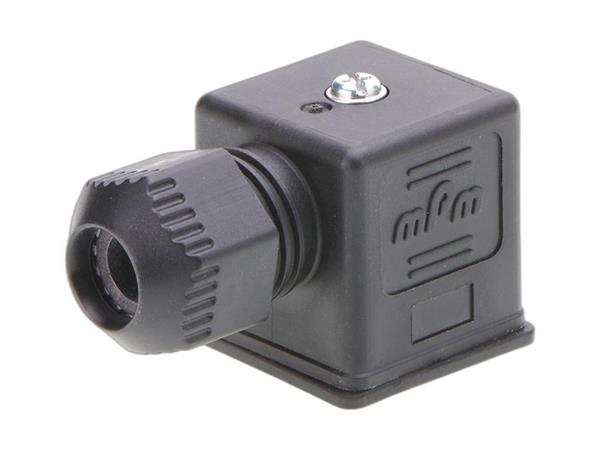
Where circular DIN connectors fit in modern equipment
These connectors are commonly selected for applications that require organized multi-pin interconnection in a circular form factor. They are often used where space is limited, cable routing needs to stay neat, and maintenance teams benefit from familiar connector formats. Depending on the configuration, they may support low-power connections, signal transmission, or mixed wiring needs in assembled equipment.
Within the broader connector ecosystem, circular DIN designs are especially useful when a project calls for a recognizable standard rather than a fully custom interface. If your application needs a wider overview of related formats, you can also explore standard circular connector options for comparison.
Typical features engineers evaluate
Selection usually starts with the basics: contact count, mounting style, wire termination method, and orientation. In this category, some listed parts illustrate the range of common needs, from compact 3-contact cable-mount styles to higher contact-count versions such as 8-contact or 12-contact variants. Straight bodies and solder termination appear frequently where stable assembly and field wiring consistency are important.
Electrical and environmental suitability also matter. For example, some connector variants in this range indicate operating conditions such as rated current around 5A, voltage ratings up to 300VAC or 300VDC on certain models, and service temperatures extending from -40°C to 100°C. These values should always be matched to the actual system design, cable specification, and safety margin required by the application.
Representative products in this category
Several products in this catalog help illustrate the scope of available circular DIN solutions. The Amphenol T04220609 DIN connector, Amphenol C09131D0082012 DIN connector, and Amphenol C09131H0122012U DIN connector point to common industrial demand for structured multi-contact circular interfaces. For applications needing lower pole counts, parts such as the Amphenol C09131H0031002 Straight show how simpler cable connections can still use the same general connector family approach.
There are also products that reflect board- or equipment-level interconnection needs, such as the Analog Devices 09032966825 Hittite Microwave product from Analog Devices Conn DIN 41612 F 96 POS 2.54mm Solder ST Thru-Hole. While not every design use case is the same, these examples show how DIN-based connectivity can appear in both cable-side and equipment-side implementations depending on the architecture.
Manufacturer options and sourcing context
Amphenol is one of the most visible names in this category, with multiple listed products covering different contact arrangements and connector styles. Parts such as the Amphenol T3505-001 DIN connector, Amphenol ATX10 DIN connector, and Amphenol C091-31H008-100-2 DIN connector suggest a practical breadth for design engineers, maintenance buyers, and OEM sourcing teams that need continuity across similar connector families.
Analog Devices also appears in the category context through DIN-related interconnect products tied to specialized electronic hardware. For B2B buyers, that mix can be useful because connector selection is not always isolated; it often sits within a wider procurement workflow involving boards, modules, test equipment, and integrated assemblies.
How to choose the right circular DIN connector
A good selection process starts with the connection environment. Ask whether the connector will be used on a cable, panel, or PCB-adjacent assembly, and whether the mating cycle is occasional or frequent. Then confirm the number of required contacts, the available installation space, and whether solder termination is suitable for your manufacturing or service process.
Next, verify the electrical side: rated current, voltage, and the type of signals being carried. Even when two connectors look similar, differences in contact count or mechanical form can affect compatibility. It is also worth checking temperature exposure, cable strain considerations, and whether the design calls for a more application-specific family such as circular metric connectors or a different locking concept.
When circular DIN is the better fit than other circular connector styles
Circular DIN formats are often chosen because they balance familiarity, compactness, and straightforward integration. They can be easier to standardize across equipment platforms where technicians already recognize DIN-style mating patterns. This helps in service environments that value predictable replacement and simplified documentation.
That said, not every project should default to DIN. If the application requires fast mating and release, a different family such as circular push pull connectors may be worth reviewing. For designs that demand different dimensional conventions or broader environmental ruggedization, another circular connector category may offer a better long-term fit.
Procurement considerations for OEM and maintenance teams
For production buyers and MRO teams, connector sourcing is usually about more than a single part number. Consistency in mating style, availability of related variants, and manufacturer continuity all influence the total cost of ownership. Categories like this one are useful because they help teams compare similar connector options without losing sight of the broader family structure.
It is also practical to review whether a connector is being selected for new design-in, replacement, or cross-reference purchasing. In each case, the best choice may differ. A maintenance replacement may prioritize matching an existing interface, while a new design may place more weight on assembly workflow, lifecycle planning, and future expansion of contact requirements.
Finding a connector that matches your application
The right choice usually comes down to a clear match between mechanical format, contact configuration, and the operating conditions of the equipment. This category brings together circular DIN connector options that can support a range of interconnection tasks, from compact cable assemblies to more specialized DIN-based implementations.
If you are comparing parts for a new build or a replacement need, focus on compatibility first, then confirm termination style, ratings, and installation constraints. A structured review of the available connector family will make it easier to narrow down the most suitable option without overengineering the design.
Get exclusive volume discounts, bulk pricing updates, and new product alerts delivered directly to your inbox.
By subscribing, you agree to our Terms of Service and Privacy Policy.
Direct access to our certified experts
